
How to Maintain a Sprinkler System the Right Way: Easy Step by Step Guide
Disclosure: We may earn a commission when you buy through links on this page, at no extra cost to you. As an Amazon Associate I earn from qualifying purchases. Learn more
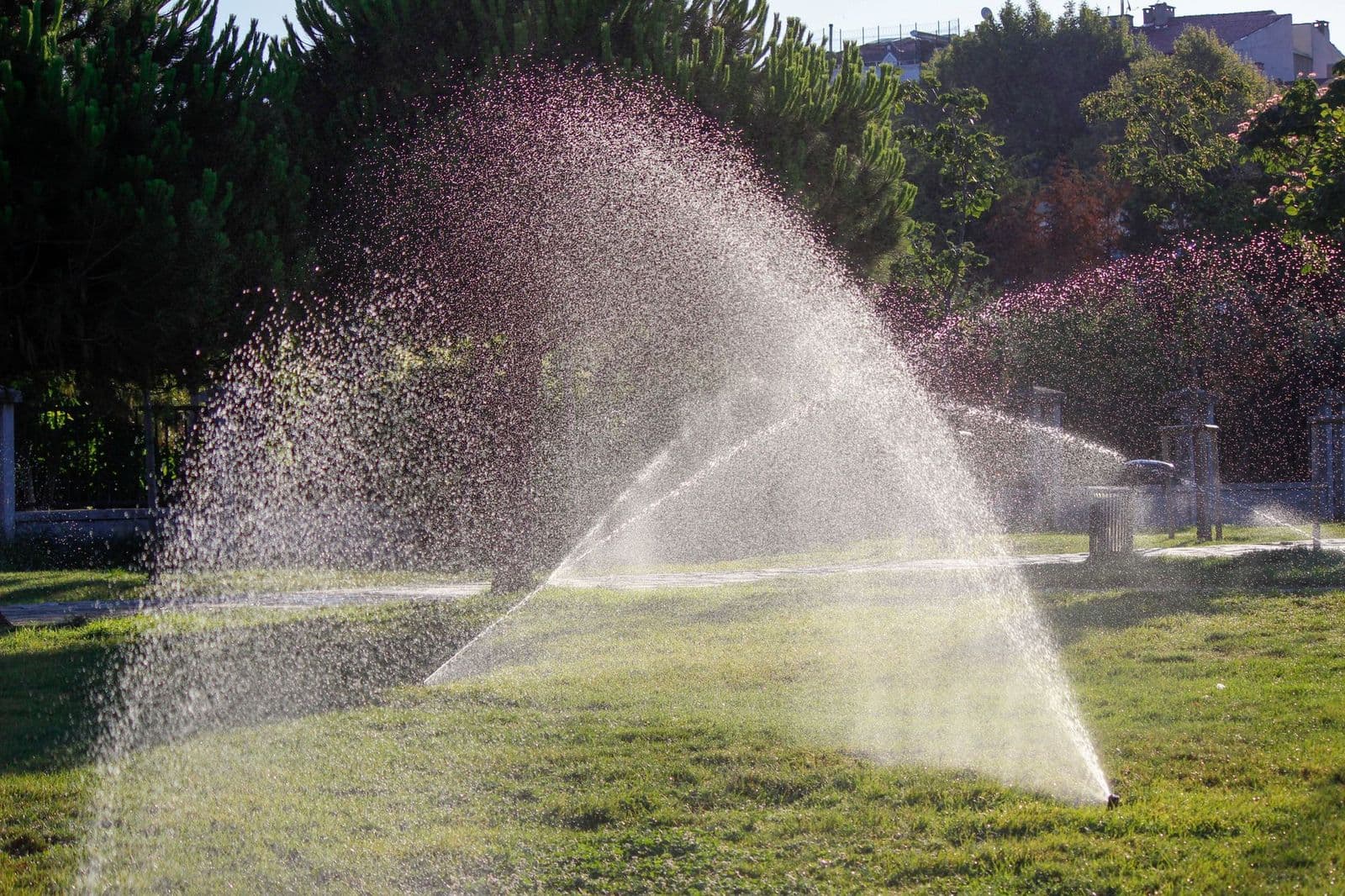
How to maintain a sprinkler system with a simple seasonal routine: inspect heads, clean nozzles, fix leaks, adjust spray and winterize.
Learning how to maintain a sprinkler system comes down to a short seasonal routine: inspect and clean the heads, flush clogged nozzles and filters, fix leaks, adjust spray patterns, update the controller schedule and protect the pipes before the first freeze. Most of this takes an hour or two a few times a year, and it keeps water going onto the lawn instead of the sidewalk.
This guide walks through the tools you need, a step by step maintenance routine, a simple schedule and fixes for the most common problems.
Why Regular Maintenance Matters
An in ground sprinkler system has dozens of small parts working underground and out of sight. Heads get buried by growing turf, nozzles clog with grit, mowers knock heads out of alignment and a single cracked fitting can quietly waste a lot of water. Problems like these show up as brown patches, soggy spots, puddles on the driveway and higher water bills.
Routine care catches small issues early, while they are cheap to fix. It also helps the system run efficiently, so each zone gets the water it needs and no more. Finally, a properly winterized system is far less likely to suffer cracked pipes and valves from freezing, which is one of the most expensive sprinkler repairs.
What You Need
- Small flat screwdriver and the adjustment key for your rotor heads
- Replacement nozzles, filter screens and a spare head or two
- Small trowel or hand shovel to dig around buried heads
- Bucket of water or a soft brush for rinsing nozzles
- Pipe tape and replacement fittings for minor leaks
- Catch cups or empty tuna cans to measure watering coverage
- Your controller manual or app login
How to Maintain a Sprinkler System Step by Step
If you have been wondering how to clean a sprinkler system as well as keep it adjusted, the steps below cover both. Work through them each spring, then repeat the quick checks through the season.
Step 1: Run each zone and inspect the heads
Turn on each zone from the controller and walk the yard while it runs. Look for heads that do not pop up, spray sideways, mist heavily or barely trickle. Note geysers, which usually mean a broken head or missing nozzle, and puddles, which can point to a leaking pipe or valve. Mark problem heads with a flag so you can come back to them. It also helps to sketch a simple map of each zone and its heads; the next time something goes wrong, you will know exactly where to look.
Step 2: Clean clogged nozzles and filter screens
Weak or uneven spray is often caused by debris. Unscrew the nozzle, pull out the small filter screen beneath it and rinse both in a bucket of water. A soft brush clears stubborn grit. Avoid poking the nozzle opening with metal, which can damage it.
Replace any nozzle that is cracked or worn. While the nozzle is off, briefly run the zone to flush dirt out of the riser, then reinstall the screen and nozzle and check the spray again.
Step 3: Raise, level and adjust the heads
Heads sink and tilt as turf grows around them. Dig around buried or tilted heads, raise them so the top sits level with the soil and pack the soil back firmly. Then adjust the spray arc and radius so water lands on grass and beds, not on the driveway, sidewalk or house. Trim grass back from the edge of each head so the spray is not blocked, and make sure spray patterns from neighboring heads overlap slightly. Head to head coverage like this is what prevents dry rings between sprinklers.
Step 4: Check valves, pipes and water pressure
Look for wet spots or sunken soil along pipe runs and around valve boxes, which suggest leaks. Open valve boxes to check for dripping or standing water. Low pressure across a whole zone can come from a partly closed valve, a leak or too many heads on one line, while very high pressure causes misting and may call for a pressure regulator.
Step 5: Update the controller and watering schedule
Replace the backup battery in the controller if it has one, confirm the date and time and update the schedule for the season. Place catch cups in each zone and run it to see how evenly water lands. A smart sprinkler controller that adjusts for weather can trim waste automatically. If you also run drip irrigation or a hose timer for beds, check those lines and emitters at the same time.
Drip lines need their own quick check. Flush the end caps to clear sediment, clean the inline filter and look for emitters that are clogged, missing or popped out of the tubing. Chewed or kinked tubing is common in beds, and a short repair coupling fixes most damage in minutes.
Step 6: Winterize the system and know when to replace parts
In cold climates, shut off the water supply to the system and drain or blow out the lines before the first hard freeze, following the method recommended for your system. Insulate the backflow preventer if it sits above ground. Many homeowners hire a pro for compressed air blowouts. Replace heads that leak around the base, will not retract or keep breaking, and consider upgrading an old controller to a smart model.
Maintenance Schedule (Monthly, Seasonal, Yearly)
| When | Task |
|---|---|
| Monthly (watering season) | Run each zone, look for broken or misdirected heads, clear grass from around heads, check for puddles and dry spots |
| Spring startup | Turn the water back on slowly, clean nozzles and filters, raise sunken heads, update the controller schedule |
| Midsummer | Run a catch cup test, adjust run times for heat and rainfall, check pressure |
| Fall | Reduce watering as growth slows, inspect valves and backflow preventer |
| Yearly (before freeze) | Winterize: shut off water, drain or blow out lines, protect the backflow preventer |
Troubleshooting Common Problems
- Head will not pop up: usually dirt in the head or low pressure. Clean or replace the head and check that the zone valve is fully open.
- Geyser or bubbling water: a broken head, missing nozzle or cracked riser. Replace the damaged part.
- Dry patches: clogged nozzles, a blocked spray pattern or heads set too far apart. Clean, adjust or add coverage.
- Soggy areas: a leaking valve or pipe, or a low head draining after each cycle. Check valves and consider a check valve on the low head.
- Zone will not turn on: a wiring fault, a failed solenoid or a controller issue. Test the controller output, then check the valve solenoid.
- Zone will not shut off: debris in the valve diaphragm. Turn off the water supply and clean or replace the diaphragm.
Frequently Asked Questions
How often should I clean a sprinkler system?
Do a full clean and inspection each spring, then a quick walk through every month during the watering season. Clean individual nozzles and filter screens whenever you notice weak or uneven spray. Systems on well water or in sandy soil may need nozzle cleaning more often.
Can I wash the filter or parts with water?
Yes. Nozzles and filter screens can be rinsed in clean water and gently brushed to remove grit. Avoid harsh chemicals and metal tools that can scratch or widen nozzle openings. If a part still sprays poorly after cleaning, replacement nozzles are inexpensive.
Do I need a professional to winterize my sprinkler system?
Not always. Some systems have manual or automatic drain valves you can use yourself. Blowing out lines with compressed air requires the right equipment and care, so many homeowners hire a pro for that step. Check your system type before choosing a method.
How long does a sprinkler system last?
Buried pipes can last for decades, while heads, nozzles, valves and controllers wear out sooner and are replaced as needed. Regular cleaning, correct pressure and proper winterizing are the biggest factors in keeping every part working for as long as possible.
Final Thoughts
Knowing how to maintain a sprinkler system saves water, protects your lawn and prevents costly freeze damage. Inspect and clean the heads each spring, keep the schedule up to date and winterize before the first freeze. If you are upgrading or adding a system for beds, see our guides on how to choose a sprinkler system and is a sprinkler system worth it, plus our picks for the best sprinkler system, the best sprinkler system for raised beds and the best sprinkler system for flower beds.


