How to Use a Central Vacuum System the Right Way: Easy Step by Step Guide
Disclosure: We may earn a commission when you buy through links on this page, at no extra cost to you. As an Amazon Associate I earn from qualifying purchases. Learn more
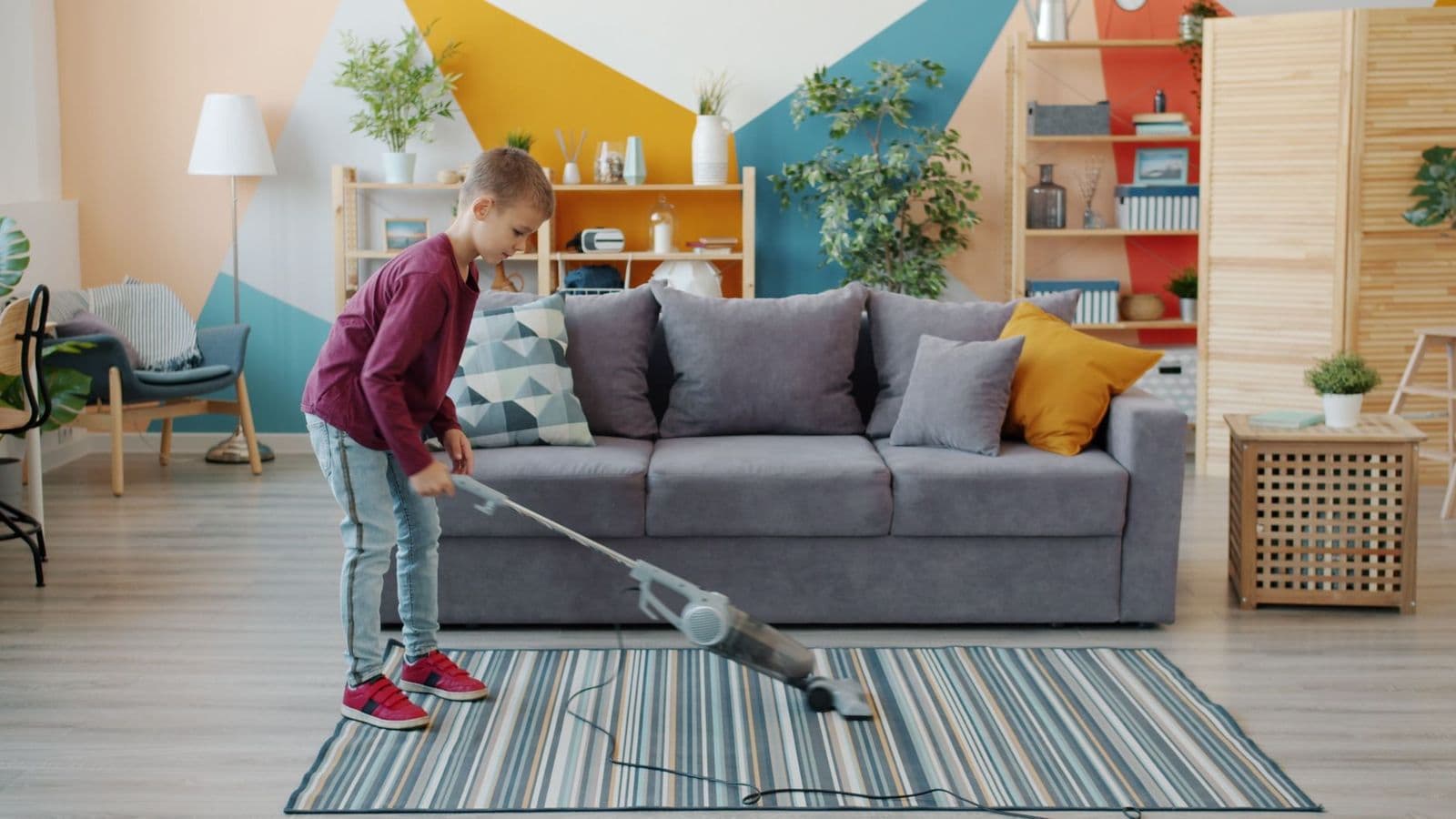
How to use a central vacuum system: inlets, the right power head for each floor, emptying the power unit and tips for strong suction.
To use a central vacuum, plug the hose into the nearest wall inlet, which switches on the power unit in the garage or basement, attach the power head or tool that suits the floor and vacuum in slow, overlapping passes. When you finish, pull the hose out of the inlet (or use the handle switch), then hang the hose where it will not kink. Empty the power unit's canister or change its bag every few months. That is how to use a central vacuum system day to day: the motor and dirt stay out of the living space, so you only carry a light hose and wand.
Below you will find safety and prep tips, a step by step routine, maintenance advice for the power unit and inlet valves, and the mistakes that cut airflow or damage the system.
Before You Start: Safety and Prep
It helps to picture how the system fits together. A central vac has four main parts: the power unit with its motor and dirt canister, a network of PVC pipes inside the walls, wall inlets in each area of the home and a long flexible hose with a wand and cleaning tools. Air and dirt travel from the inlet through the pipes to the power unit, so the motor noise and most of the dust stay out of the rooms you are cleaning.
Find the power unit, usually in the garage, basement or a utility room, and make sure the area around it is clear so the motor can breathe and vent properly. Check that it is plugged into its dedicated outlet and that the circuit breaker is on. If the unit vents outdoors, make sure the exhaust pipe is not blocked by leaves, snow or a nest.
Learn where all the inlet valves are. Most homes have one per floor area, placed so a 30 to 35 foot hose can reach every room. Know whether your inlets are low voltage (the hose has a small metal contact ring and the unit starts when you insert it) or whether the hose has a separate cord for an electric power head.
Before vacuuming, pick up coins, screws, hair ties and anything else that could jam the hose or pipes. Wet spills, ash, drywall dust and pet waste do not belong in a standard central vac. Keep the hose away from stairs and doorways where someone could trip over it.
How to Use a Central Vacuum System Step by Step
Step 1: Choose the right floor setting or brush roll mode
Match the tool to the surface. On carpet and rugs, use the electric power head or air driven turbo head so the brush roll can loosen embedded dirt. Many power heads have an on or off brush switch or a height setting; use a higher setting for thick carpet. On hardwood, tile and vinyl, switch the brush roll off or use a soft bristle floor brush to avoid scratches and scattering debris.
Step 2: Check bin or bag level before you start
Suction drops sharply when the power unit's canister or bag is full. Check it at least every couple of months, or more often in homes with pets. Bagged units are easy: swap the bag when it is about three quarters full. Bagless units should be emptied before the debris reaches the fill line, and their filter should be shaken or rinsed according to the manual.
Some power units use a cyclonic design that spins most of the dirt out of the airstream before it reaches the filter, while others rely on a cloth or cartridge filter. Either way, a quick look before you start a big cleaning session saves you from vacuuming with half the suction you paid for.
Step 3: Vacuum in overlapping passes
Lift the inlet door and push the hose cuff in firmly; on most systems this starts the power unit. Some hoses have an on and off switch on the handle, which lets you pause without walking back to the inlet. Work from the far side of the room toward the inlet, pushing forward slowly and pulling back over the same strip, overlapping each pass by about a third. Slower passes let the strong airflow lift more dust, especially on carpet.
Move the hose with the wand rather than yanking it around furniture, and swing it gently around door frames to avoid scuffing walls. Hose socks or covers protect baseboards if you vacuum often.
Step 4: Use attachments for edges, stairs and upholstery
Use the crevice tool for baseboards, corners and the gap beside furniture. A dusting brush handles blinds, lampshades and shelves, while an upholstery tool cleans sofas and mattresses. For stairs, a small turbo brush or the hose and upholstery tool work better than the full power head. Because the hose is long, you can often clean an entire staircase from one inlet.
Step 5: Empty the bin and wipe the filter
Turn off the power unit, or simply remove the hose so it stops, then empty the canister into a trash bag outdoors to keep dust out of the house. Shake or tap the filter clean and rinse it only if the manual says it is washable, letting it dry completely before refitting. Wipe the inside of the canister and check the gasket so it seals tightly.
Step 6: Store it safely
Hang the hose on a wide hook or rack in a loose loop, or retract it into the wall if you have a retractable hose system. Avoid tight coils and sharp bends that crack the hose over time. Store the power head and tools together, and clean hair from the brush roll before putting it away.
A tool caddy or a wall mounted rack near the most used inlet keeps everything in one place, so the next cleaning session starts in seconds. If young children are in the home, keep the hose and tools out of reach; a long hose is tempting to play with and can be damaged by tugging.
Pro Tips for Better Results
- Test airflow at each inlet: if one inlet feels weak, there may be a clog in that branch of pipe.
- Clear clogs with care: drop a tissue into each inlet with the unit running; if it does not reach the canister, there is a blockage.
- Keep inlet doors closed: an open door leaks suction and reduces performance at other inlets.
- Vacuum high traffic areas more often: entryways and hallways collect grit that wears carpet quickly.
- Use the right head for pets: an electric power head with a rotating brush pulls pet hair from carpet far better than a basic floor tool.
- Schedule a yearly check: look at the motor vents, exhaust pipe and seals, and clean the power unit housing.
If your kitchen has a toe kick vacuum pan, use it to sweep crumbs straight into the system without bending down with a dustpan. It shares the same pipes and power unit, so the same clog checks apply.
Common Mistakes to Avoid
- Letting the canister overfill: suction drops and dust can reach the motor.
- Vacuuming liquids or fine construction dust: both can clog filters and pipes or damage the motor.
- Sucking up large objects: socks, toys and bottle caps can lodge in the pipes behind the walls.
- Leaving the hose plugged in: on some systems the motor keeps running, wasting power and wearing the unit.
- Ignoring weak suction: a clogged inlet or dirty filter only gets worse over time.
- Kinking or stepping on the hose: cracks lead to air leaks and lost suction.
Frequently Asked Questions
How often should I use a central vacuum system?
Vacuum high traffic areas two or three times a week and the rest of the home once a week, or more often if you have pets or allergies. Check the power unit's canister or bag every one to three months, and clean or replace the filter as the manual recommends so suction stays strong.
Can beginners use a central vacuum system safely?
Yes. Using a central vac is easier than a portable vacuum, since you only carry the hose and wand. Keep the hose out of walkways, avoid picking up liquids and hot ashes, and turn the unit off before emptying the canister. Leave electrical or pipe repairs inside walls to a qualified installer.
Final Thoughts
Knowing how to use a central vacuum system mostly comes down to picking the right tool for each surface, working in slow overlapping passes, keeping the canister and filter clean and storing the hose carefully. Do that and the system will deliver strong, quiet cleaning for many years. Shopping for a new unit or a portable backup? See our picks for the best central vacuum system, the best central vacuum system for large homes, the best central vacuum system for pet hair and the best vacuum cleaner, or check where to buy a vacuum cleaner.