
How to Use a Cordless Hedge Trimmer the Right Way: Easy Step by Step Guide
Disclosure: We may earn a commission when you buy through links on this page, at no extra cost to you. As an Amazon Associate I earn from qualifying purchases. Learn more

How to use a cordless hedge trimmer safely: charge, inspect, start with both hands, sweep in smooth arcs and clean the blades after every job.
To use a cordless hedge trimmer, charge the battery fully, put on eye protection and gloves, check the blades and guard, then hold the trimmer with both hands and sweep the blade in smooth, slightly angled arcs: sides first from the bottom up, then the top, keeping the blade parallel to the line you want. Release the trigger, remove the battery and clean the blades when you finish. That is how to use a cordless hedge trimmer safely and neatly, and it works for everything from a low boxwood border to a tall privet screen.
Battery hedge trimmers are light, quiet and start at the press of a button, which makes them far easier to handle than gas models. The technique still matters, though. The steps below cover safety gear, battery prep, inspection, starting, cutting technique, cleanup and storage, plus the tips that give hedges a crisp, healthy finish.
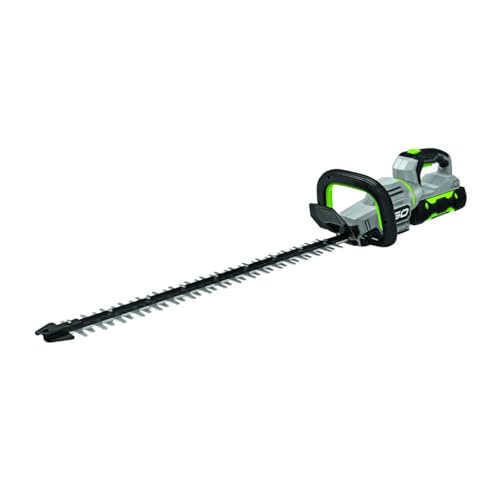
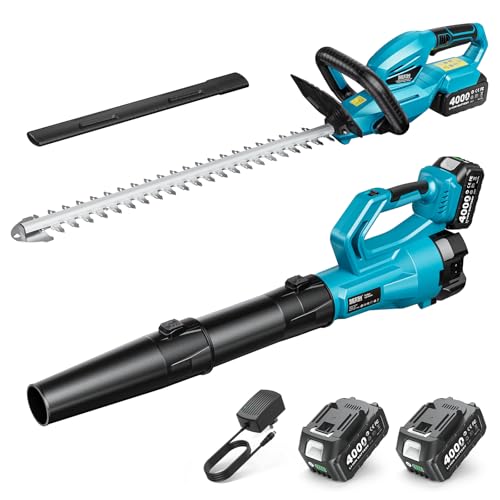
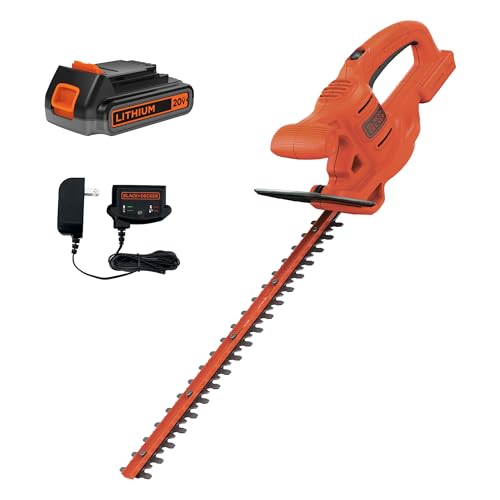
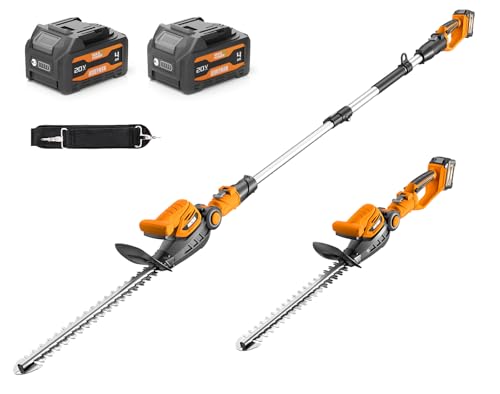
Before You Start: Safety and Prep
A hedge trimmer has sharp, fast moving blades, so treat it with respect. Wear safety glasses, snug fitting gloves, long pants and closed shoes with good grip. Hearing protection is a good idea for long sessions even though battery models are quieter than gas. Avoid loose clothing, scarves or dangling cords that could catch in the blades.
Walk around the hedge before you start. Look for wire fencing, plant ties, garden lights, hoses and, most important, nesting birds; many areas protect active nests, so postpone trimming if you find one. Clear the ground of toys, tools and trip hazards, and keep children and pets well away.
Check the weather. Do not trim in rain or on wet foliage, which makes footing slippery and can let moisture into the tool. Plan to work in good daylight, and use a sturdy platform or a pole hedge trimmer for tall hedges instead of overreaching from a ladder.
How to Use a Cordless Hedge Trimmer Step by Step
Step 1: Read the manual and wear safety gear
Every model is a little different, so read the manual once before first use. Learn where the trigger and the safety switch are, how the rotating handle works if your trimmer has one, and what cutting capacity the blade is rated for. Cutting capacity is the thickest branch the blades can handle; forcing anything thicker strains the motor and can damage the blades. Then put on your safety gear before you insert the battery.
Step 2: Charge the battery correctly
Charge the battery fully before you start, using the charger made for that battery platform. Charge indoors at room temperature, away from flammable materials, and let a hot battery cool down before recharging. If your hedges take longer than one battery lasts, charge a second pack so you can swap without waiting. Never use a cracked or swollen battery.
Step 3: Inspect the tool before each use
With the battery out, look over the trimmer. The blades should be clean, straight and free of chips, and the blade guard and front handle guard should be secure. Check that bolts are tight and that nothing is caught between the teeth. If the blades look rusty or gummy, clean and lubricate them first with a lubricant recommended by the maker. Dull or damaged blades tear branches rather than cutting them cleanly.
Step 4: Start it the right way
Remove the blade cover, insert the battery until it clicks, and stand with your feet apart on firm ground. Most cordless hedge trimmers use a two handed start for safety: you hold the front handle with one hand, often pressing a switch or bail, and squeeze the trigger on the rear handle with the other. Hold the blade away from your body and anything you do not want to cut, then start the tool and let the blades reach full speed before touching the hedge.
Step 5: Use proper technique and stance
Grip the trimmer with both hands at all times and hold it below shoulder height. For the sides, start at the bottom and sweep upward in smooth arcs, tilting the blade slightly so the hedge ends up a little wider at the base than at the top. That shape lets sunlight reach the lower branches and keeps the hedge full.
For the top, hold the blade level and sweep from side to side, moving steadily along the hedge. A string line stretched between two stakes makes a perfectly straight top much easier. Let the blades do the work; pushing hard into thick growth only slows them down. Step back every few minutes to check your line from a distance, since small dips are much easier to see from across the yard.
Step 6: Shut down, cool down and clean
When you finish, release the trigger, wait for the blades to stop completely and remove the battery before doing anything else. Brush clippings and sap off the blades with a stiff brush, wipe them with a cloth and apply a light coat of blade lubricant to prevent rust. Wipe down the housing and keep the air vents clear. Fit the blade cover back on before you carry the tool.
Step 7: Store it correctly
Store the trimmer indoors in a dry place, with the blade cover on, out of reach of children. Store the battery separately at moderate temperatures, away from direct sun or freezing conditions, and follow the maker's advice on charge level for long term storage. Hanging the trimmer on a wall hook protects the blades and saves space. At the end of the season, give the blades a thorough clean, check for loose screws and look over the battery contacts for dirt or corrosion before putting everything away for winter.
Pro Tips for Better Results
- Trim little and often. Light trims through the growing season keep a hedge dense and tidy, and they are much faster than one heavy cut.
- Time it right. Many formal hedges are trimmed after the spring growth flush and again in late summer. Flowering shrubs are best trimmed right after they bloom.
- Use the full blade length. Longer blades make level cuts on wide hedges; shorter blades are easier to control on small shrubs and shapes.
- Clear clippings as you go. Lay a tarp at the base of the hedge to collect trimmings, and brush cut pieces off the top so you can see the line.
- Use pruners for thick wood. Branches thicker than the blade's cutting capacity should be cut with loppers or a pruning saw.
If your current tool feels underpowered, our guide to the best cordless hedge trimmer compares battery models by blade length and cutting capacity.
Common Mistakes to Avoid
The most common mistake is using one hand or holding the trimmer above shoulder height, which reduces control and invites accidents. Overreaching from a ladder is another, especially with a heavy battery pack. Cutting the top wider than the bottom shades the lower branches and leaves the base thin and bare.
Forcing the blades through thick branches is a frequent cause of jams and damage. Many owners also skip blade cleaning, and sticky sap builds up until the trimmer stalls. Finally, never clear a jam with the battery still in the tool; always remove it first.
Frequently Asked Questions
How often should I use a cordless hedge trimmer?
Most formal hedges need trimming two or three times a year during the growing season, while fast growers like privet may need it more often. Informal hedges and flowering shrubs often need only one trim a year, right after flowering. Light, regular trims keep a hedge dense and are easier on both the plant and the trimmer.
Can beginners use a cordless hedge trimmer safely?
Yes. Cordless trimmers are among the easiest hedge tools for beginners, since there is no fuel and no pull cord. Wear safety glasses and gloves, grip both handles at all times, work from stable ground below shoulder height and remove the battery before cleaning or clearing a jam. Start with a small hedge to get a feel for the tool.
Final Thoughts
Learning how to use a cordless hedge trimmer comes down to good prep, two handed control, smooth sweeping cuts and quick cleanup afterward. Follow these steps and your hedges will look sharper and stay healthier. If it is time for a new tool, see our picks for the best hedge trimmer, and check how much does a hedge trimmer cost and where to buy a hedge trimmer before you shop.


