
Is a HEPA Filter Vacuum Worth It? Honest Pros, Cons and Verdict (2026)
Disclosure: We may earn a commission when you buy through links on this page, at no extra cost to you. As an Amazon Associate I earn from qualifying purchases. Learn more
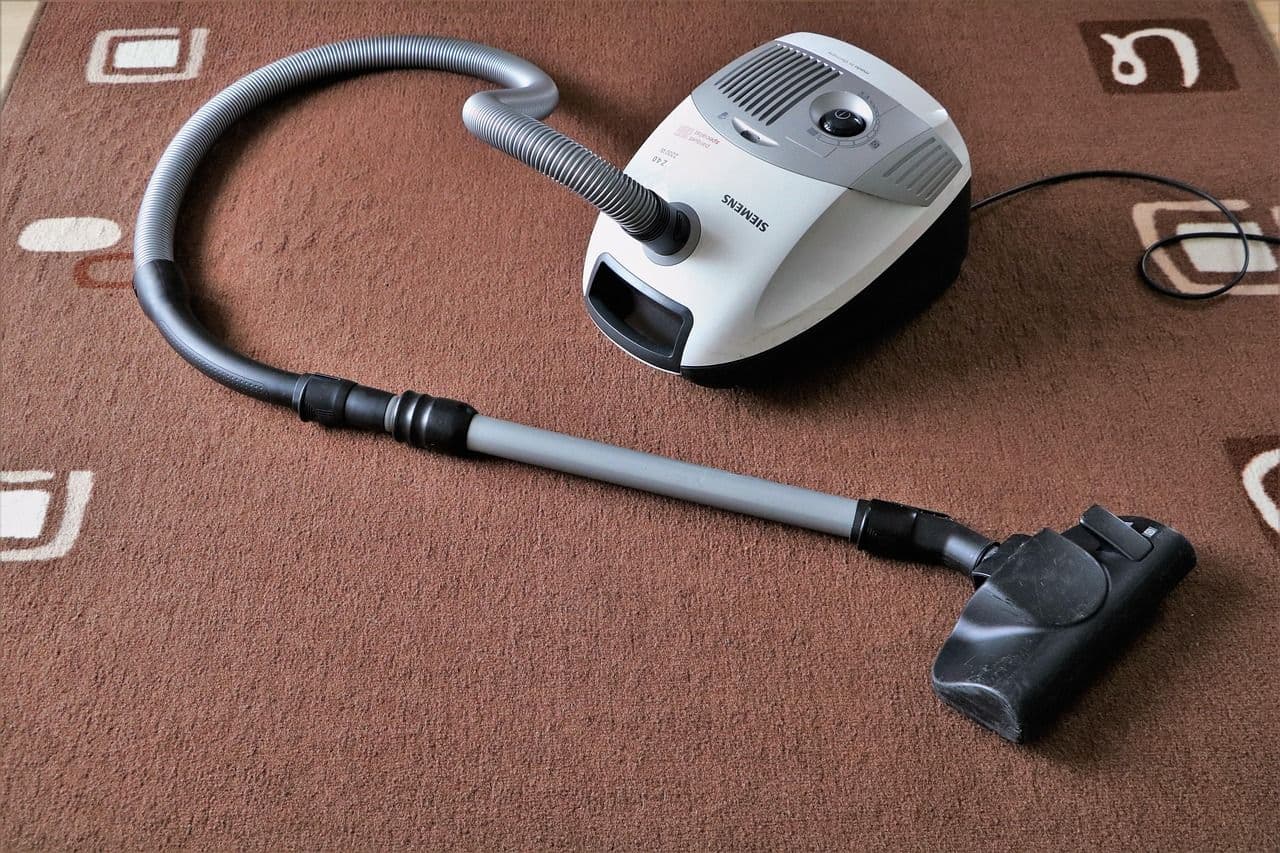
Is a hepa filter vacuum worth it? For allergies, pets and small kids, usually yes, if the vacuum is sealed. Here are the costs, pros, cons and alternatives.
For most homes with allergies, asthma, pets or young children, a HEPA filter vacuum is worth it, because it traps the fine dust, pollen and dander that ordinary filters blow back into the air. If nobody in your home has allergies and you mainly pick up crumbs and visible dirt, a standard vacuum with a good filter may be enough. So is a hepa filter vacuum worth it for you? It depends on who lives in your home, how sealed the vacuum is, and how much you are willing to spend on filters over time.
Below we look at what you get for the money, the real benefits and drawbacks, long term costs and alternatives, so you can decide with confidence.
What You Get for the Money
HEPA vacuums cover almost every price range. Basic uprights with a HEPA filter start around $120 to $200, mid range uprights with an anti allergen seal often sit around $250 to $350, and premium sealed canisters and cordless models can run from around $500 to over $1,000.
The filter itself is the headline feature. A true HEPA filter is designed to capture at least 99.97% of particles as small as 0.3 microns, which includes much of the pollen, pet dander and dust mite debris that cause allergy symptoms. Many vacuums also list figures such as 99.9% or 99.99% of particles, measured under different test standards.
What separates cheaper models from expensive ones is usually the seal. A sealed system forces all the air through the filter, so dust cannot leak out of gaps in the body. Premium models often add sealed bags, multi stage filtration, better motors and quieter operation, while budget models may have a HEPA filter but leakier housings.
Watch the wording on the box, too. Terms like HEPA style, HEPA type or HEPA like usually mean the filter does not meet the true HEPA standard, even if it performs better than a basic foam filter. If filtration is the reason you are buying, look for a clear statement of the particle size and capture rate, and for a sealed or complete seal design.
Benefits of Owning a HEPA Filter Vacuum
If you are wondering why buy a hepa filter vacuum, cleaner air is the main reason. Ordinary vacuums capture large dirt but can let fine particles pass through and blow back into the room. A HEPA filter, especially in a sealed body, traps far more of those particles inside the machine.
That matters most for allergy and asthma sufferers. Pollen, pet dander and dust mite debris settle into carpets and rugs, and vacuuming stirs them up. Capturing them instead of recirculating them can make a noticeable difference to how a room feels after cleaning.
Pet owners benefit too. Dander is tiny and light, and it builds up quickly in homes with cats and dogs. Families with babies and toddlers who spend time on the floor also appreciate cleaner carpets and less dust in the air.
There are practical upsides as well. Less fine dust escaping means less settling on shelves and electronics after you vacuum, and many HEPA filters are washable or long lasting, depending on the model.
Drawbacks to Consider
The main drawback is cost. HEPA models tend to cost more than basic vacuums, and replacement filters add an ongoing expense. Filters that clog reduce suction, so you need to clean or replace them on schedule.
A HEPA label alone is not a guarantee. If the vacuum body is not sealed, air can bypass the filter and carry dust out through seams and vents. Look for terms like sealed system, complete seal or anti allergen seal, and check how the maker describes its filtration.
HEPA filters also restrict airflow more than simple foam or mesh filters, so a weak motor paired with a dense filter can feel less powerful. Finally, a vacuum only cleans floors and surfaces. It will not remove airborne particles on its own, so people with severe allergies may still need an air purifier.
Who Should Buy One (and Who Should Skip It)
Buy a HEPA vacuum if anyone in your home has allergies or asthma, if you have pets that shed, or if you have young children who play on the floor. It is also a good choice for homes with lots of carpet and rugs, which hold more fine dust than hard floors. For homes that are mostly wood or tile, see our picks for the best hepa filter vacuum for hardwood floors.
You can skip it, or choose a basic model, if no one has allergies, you have mostly hard floors and you mainly clean visible debris. In that case, a standard vacuum with a decent filter and good suction will do the job for less.
If you are in between, a mid range HEPA upright or cordless model is a sensible compromise, giving you better filtration without premium pricing.
Think about the type of vacuum as well. Cordless sticks with sealed HEPA filtration suit quick daily cleanups, uprights handle large carpeted areas, and bagged canisters are often the cleanest to empty. The best fit is the one you will actually use often, since frequent vacuuming matters as much as the filter for keeping allergens down.
Cost of Ownership Over Time
Beyond the purchase price, budget for filters. Replacement HEPA filters for common models often cost roughly $10 to $40 each or per pack, and makers typically suggest replacing them every several months to once a year depending on use. Washable filters last longer but still wear out.
Bagged HEPA vacuums add the cost of bags, though sealed bags make disposal much cleaner. Power use is similar to other vacuums of the same type. Regular maintenance, such as emptying the bin, cleaning pre filters and clearing brush rolls, keeps suction strong and helps the filter last.
Over a few years, filter and bag costs can add up to a meaningful share of the purchase price, so check the price and availability of replacements before you buy. Our breakdown of how much does a vacuum cleaner cost covers typical running costs.
Alternatives Worth Considering
If a full HEPA vacuum is not in the budget, look for models with multi stage or fine dust filters and a sealed body. Bagged vacuums with high quality bags also trap a lot of fine dust. A robot vacuum with a good filter can keep dust down between deeper cleans, and a standalone HEPA air purifier helps clean the air itself. For allergy relief, combining regular vacuuming with an air purifier and washing bedding often works better than any single tool. Washing rugs, pet beds and curtains on a regular schedule also removes allergens that a vacuum cannot fully reach.
Our Verdict: Is a HEPA Filter Vacuum Worth It?
Yes, for most households with allergies, asthma, pets or small children. The extra cost buys cleaner air after vacuuming and less fine dust settling around the home. Choose a model with a sealed system, not just a HEPA filter, and factor in replacement filter costs. If no one in your home is sensitive to dust, a well built standard vacuum is a reasonable way to save money.
Frequently Asked Questions
Is a hepa filter vacuum worth buying?
For most people with allergies or pets, the answer to is a hepa filter vacuum worth buying is yes. It traps fine particles that standard filters miss and keeps them from blowing back into the room. Look for a sealed system so air cannot bypass the filter, and check replacement filter prices before you buy.
How long does a hepa filter vacuum last?
A quality HEPA vacuum can last many years with regular care. The filter itself needs cleaning or replacing on the schedule in the manual, often every several months to a year. Emptying the bin, clearing the brush roll and changing filters on time help the motor and suction last.
What is the best hepa filter vacuum to buy?
The best choice depends on your floors, budget and whether you prefer bagged, bagless, upright, canister or cordless. Sealed systems matter more than brand names. See our selection criteria and top models in the best hepa filter vacuum guide, and compare stores in where to buy a vacuum cleaner.
Final Thoughts
So, is a hepa filter vacuum worth it? For allergy sufferers, pet owners and families with young kids, almost always, as long as the vacuum is sealed and you keep up with filter care. For dust tolerant households with hard floors, a standard model can be enough. To compare top models of every type, see our picks for the best vacuum cleaner.


