Is a Self Propelled Lawn Mower Worth It? Honest Pros, Cons and Verdict (2026)
Disclosure: We may earn a commission when you buy through links on this page, at no extra cost to you. As an Amazon Associate I earn from qualifying purchases. Learn more

Is a self propelled lawn mower worth it for your yard? Real prices, benefits, drawbacks and running costs, plus who should skip one.
For most homeowners with a medium or large lawn, slopes, or thick grass, yes: a self propelled mower is worth the extra cost because it does the pushing for you, cuts fatigue and makes bagging far easier. If your yard is small and flat, a good push mower usually does the job for less money.
So is a self propelled lawn mower worth it for you? It depends on your yard size, terrain, budget and how much effort you want to put into mowing each week. Below we break down what you get for the money, the real benefits and drawbacks, the cost of owning one over time, and the alternatives, so you can make a confident decision.

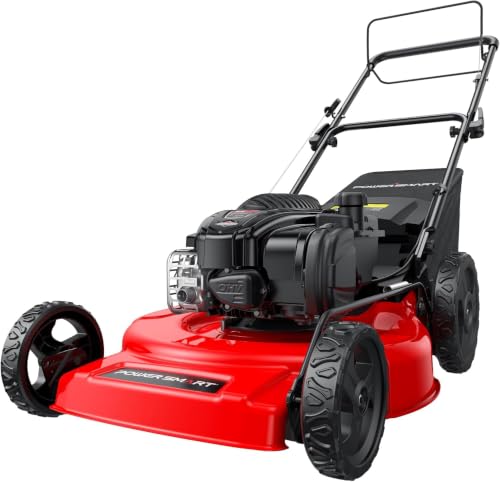
What You Get for the Money
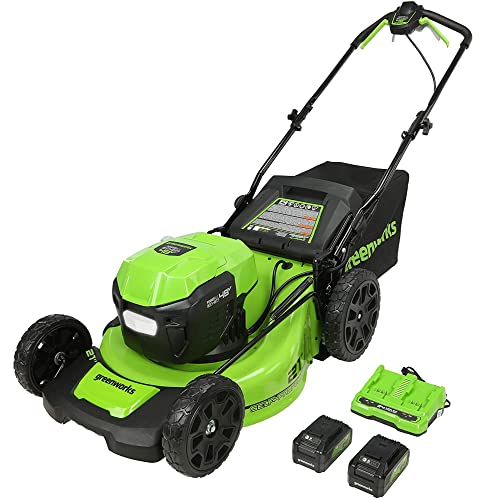
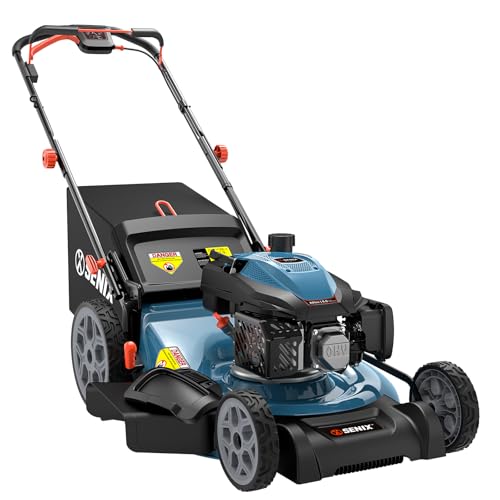
Self propelled mowers cost more than push mowers because they add a drive system: a transmission and belt on gas models, or a dedicated drive motor on battery models, plus the controls to run it. Current prices on Amazon show the spread clearly. Basic gas self propelled mowers such as the SENIX 21 inch 170cc model start at around $340, while a battery kit like the Greenworks 48V 21 inch self propelled mower with two batteries sells for around $430.
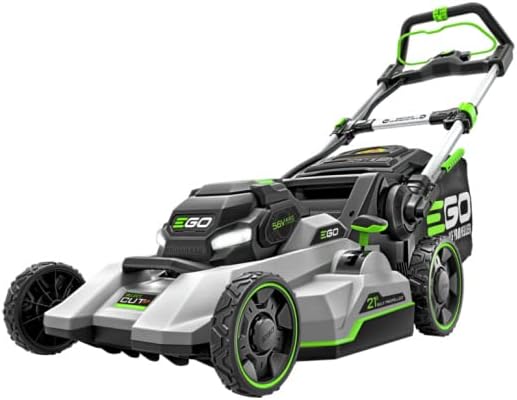
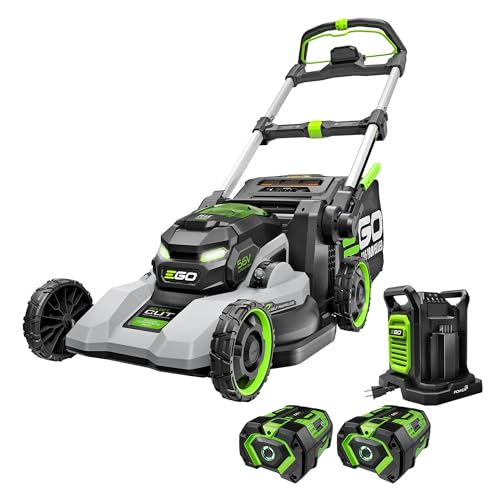
Step up to around $750 and you get premium battery mowers like the EGO POWER+ LM2135SP, with a 7.5Ah battery, Touch Drive variable speed and a multi blade cutting system. At the top end, kits such as the EGO POWER+ LM2244SP with two 6.0Ah batteries and a 22 inch composite deck sell for around $1,100.
By comparison, many capable push mowers sell for roughly $190 to $400. The premium for self propel is often $100 to $300 for a similar deck and power source. In return you get powered wheels, usually a variable speed control, and often rear wheel drive for better traction.
What the extra money buys also changes with the tier. Entry level gas models usually give you a single drive speed and a steel deck. Mid range battery kits add push button starts, brushless motors and variable speed. Premium kits bring larger batteries for longer runtimes, interchangeable blades and decks built to resist rust and dents, along with longer warranties on the deck or battery.
Benefits of Owning a Self Propelled Lawn Mower
The biggest benefit is simple: less physical effort. A walk behind mower with a full grass bag can be heavy, and pushing it uphill or across a large yard is hard work. With self propel engaged, the mower carries its own weight and you just steer.
- Easier on slopes: rear wheel and all wheel drive models keep climbing without you leaning into the handle.
- Faster on large lawns: a steady pace means you finish sooner and with more energy left.
- Better bagging: as the bag fills, the drive keeps the mower moving at the same speed.
- More even cuts: a consistent pace helps the blade cut and bag evenly, without the stop and start of pushing.
- Adjustable speed: variable speed lets you walk at your natural pace, slow for edges and speed up on open ground.
- Accessibility: for older homeowners or anyone with back, shoulder or knee concerns, it can be the difference between mowing yourself and hiring help.
Those are the main reasons people ask why buy a self propelled lawn mower instead of a cheaper push model. If any of them describe your yard, the extra cost tends to pay off quickly in comfort.
There is also a time benefit that is easy to overlook. When mowing feels easier, people tend to mow on schedule instead of putting it off, and grass that is cut regularly at the right height stays thicker and healthier. A mower that makes the job less of a chore can quietly improve the lawn itself.
Drawbacks to Consider
Self propelled mowers are not perfect. Weigh these trade offs before you buy.
- Higher price: you pay more upfront for the drive system, and premium battery kits climb past $1,000.
- More weight: the transmission or extra motor adds pounds, making the mower harder to lift into a truck or hang for storage.
- More parts to wear: drive belts, cables and wheel gears on gas models wear over time and may need replacing.
- Battery use: on cordless mowers, the drive motor draws extra power, so runtime drops when self propel is engaged.
- Less nimble in tight spaces: some drives feel abrupt around flower beds and trees, though you can disengage the drive and push.
None of these are deal breakers for most buyers, but on a small, flat lawn they can outweigh the benefits.
Who Should Buy One (and Who Should Skip It)
Buy a self propelled mower if:
- Your lawn is roughly a quarter acre or larger
- Your yard has slopes, banks or uneven ground
- You bag clippings often or mow thick grass
- Pushing a mower is tiring or uncomfortable for you
Skip it and choose a push mower if:
- Your lawn is small, flat and simple
- You mostly mulch and rarely bag
- Storage space is tight or you need to lift the mower often
- Budget is the top priority
If you fall in the middle and keep asking "is a self propelled lawn mower worth buying" for your yard, think about the next five or more years. A yard that feels manageable today can feel very different with a busier schedule or a sore back.
Cost of Ownership Over Time
The purchase price is only part of the story. Gas self propelled mowers need fresh fuel, yearly oil changes, spark plugs and air filters, plus occasional drive belt or cable replacements. These costs are modest each season but add up over the life of the mower.
Battery mowers cut most of that upkeep: there is no oil, gas or spark plug, and charging costs little. The main long term expense is the battery itself, which gradually loses capacity and can be costly to replace. Both types need blade sharpening and a clean deck. Overall, a battery self propelled mower usually costs less to run, while a gas model costs less upfront for the same deck size.
A few habits keep those costs low. Clean the underside of the deck after each mow so wet clippings do not cause rust, sharpen the blade at least once a season, and check the drive engagement early in spring. On battery mowers, store packs indoors over winter and avoid leaving them fully drained for long periods. These small steps protect the drive system and extend the life of the whole machine.
Alternatives Worth Considering
If a self propelled mower does not fit your needs, there are other good options. A lightweight battery push mower is easy to handle on small lawns and costs less. A reel mower is quiet and nearly maintenance free for very small, flat yards. For lawns of an acre or more, a riding mower or lawn tractor saves far more time than any walk behind model. Robot mowers are another hands off choice for homeowners willing to set up a boundary and pay a premium.
Another middle ground is a battery push mower with a light deck. It will not climb hills for you, but it is far easier to push than a heavy gas model, and you avoid the cost and weight of a drive system. For many owners of small to medium flat lawns, that is the sweet spot between effort and price.
Our Verdict: Is a Self Propelled Lawn Mower Worth It?
For medium to large lawns, sloped yards and anyone who bags clippings, a self propelled mower is well worth the extra $100 to $300 over a comparable push mower. The comfort and time savings show up every single mow. For small, flat lawns, put that money toward a quality push mower instead, and you will not miss the drive system.
Frequently Asked Questions
Is a self propelled lawn mower worth buying?
For most yards larger than a small city lot, yes. On a tiny, flat lawn it usually is not, since a push mower costs less and is lighter. The more slope, grass and bagging you deal with, the more value you get from powered wheels.
How long does a self propelled lawn mower last?
With regular care, a quality self propelled mower usually serves for many seasons. Keep the blade sharp, clear clippings from the deck, check the drive belt or cables on gas models, and store batteries indoors at moderate temperatures. Good maintenance matters more than the brand.
What is the best self propelled lawn mower to buy?
The right model depends on your lawn size, terrain and preference for gas or battery. Battery kits with variable speed suit most suburban yards, while rear or all wheel drive gas mowers handle rough, hilly properties. See our picks for the best self propelled lawn mower, the best self propelled lawn mower for large yards and the best self propelled lawn mower for steep hills.
Final Thoughts
Is a self propelled lawn mower worth it? If your lawn is larger, sloped or bagged often, the answer is almost always yes. If it is small and flat, a push mower is the smarter buy. Compare models in our guide to the best lawn mower, and check where to buy a lawn mower for the best prices.