
What Is a Garden Rake Used for: Expert Tips and Step by Step Guide
Disclosure: We may earn a commission when you buy through links on this page, at no extra cost to you. As an Amazon Associate I earn from qualifying purchases. Learn more

What is a garden rake used for? Soil leveling, mulching, seedbed prep and leaf cleanup, plus the rake types worth owning.
A garden rake is used to loosen and level soil, break up clods, spread mulch, compost and gravel, smooth seedbeds before planting, and gather leaves, grass clippings and other yard debris. In short, it is the tool that turns rough ground into a smooth, ready to plant surface and keeps beds and lawns tidy. If you have ever wondered what is a garden rake used for, the answer depends on the type you pick up, because a stiff bow rake and a springy leaf rake do very different jobs.
This guide explains what a garden rake is, how its parts work together, the jobs it handles best in different parts of the yard, the main types to know, and whether it is the right tool for your garden.



What Is a Garden Rake?
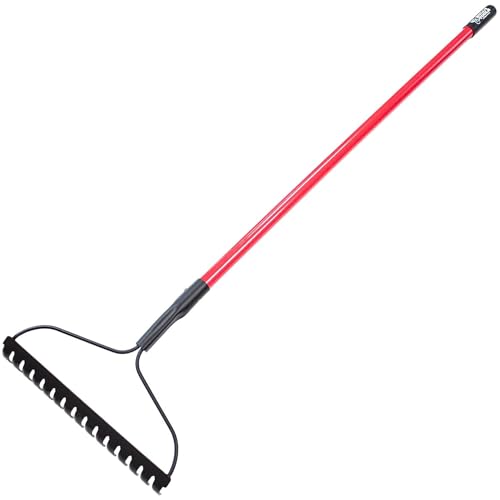
A garden rake is a long handled hand tool with a row of tines at the end, designed to be pushed and pulled across the ground. The term usually refers to the bow rake, also called a level head or steel rake, which has short, rigid metal tines set in a straight head about 14 to 16 inches wide. That stiff head is what lets it bite into soil instead of skipping over it.
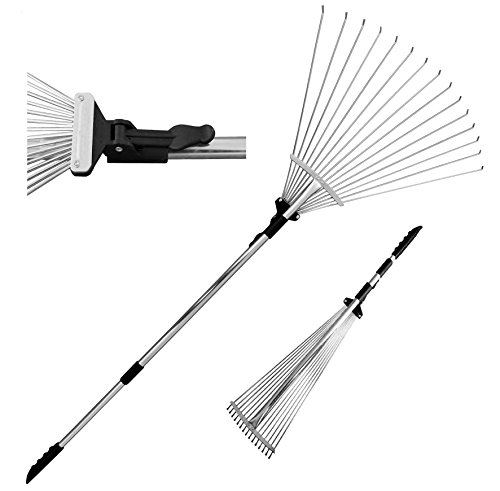
In everyday use, though, people call almost any rake a garden rake, including the fan shaped leaf rake with long, flexible tines. Both belong in a well equipped shed. The bow rake moves and shapes heavy material such as soil, gravel and mulch, while the leaf rake gathers light material such as leaves and clippings without tearing up the grass underneath.
Garden rakes are simple, inexpensive and need no fuel or batteries. Most quality models cost between $15 and $45, and a good one can last for many years with basic care.
How Does a Garden Rake Work?
To understand how does a garden rake work, look at its three main parts: the head, the tines and the handle. Each one shapes what the rake can do.
The head holds the tines in a row and sets the working width. On a bow rake, the head connects to the handle with two curved arms, or bows, that act like springs and absorb shock when the tines hit a rock. Flat level head rakes skip the bows and use a straight head that you can flip over to drag soil smooth with the flat back edge.
The tines do the real work. Short, thick steel tines on a bow rake dig into the top inch or two of soil, catch stones and roots, and break up clumps as you pull. The Bully Tools bow rake, for example, uses 16 thick steel tines with ribbed teeth and a 10 gauge steel head for digging into compacted soil. Leaf rakes use long, thin tines that flex and slide over grass, so they collect debris without digging in.
The handle provides reach and leverage. Longer handles, usually 55 to 66 inches, let you work standing upright and cover more ground with each stroke. Fiberglass handles resist splintering and weather, while wood feels warmer in the hand but needs more care. Telescopic handles, like the one on the TABOR TOOLS J16A, collapse for storage.
Together these parts work in two motions. Pulling draws material toward you and lets the tines comb and loosen the surface. Pushing spreads material away and, with the head flipped, flattens it into an even layer.
What Is a Garden Rake Used For?
A rake earns its place in almost every corner of a property. Here is how it helps in the areas gardeners deal with most.
Clay & Rocky Soil
Heavy clay dries into hard clods, and rocky ground hides stones that block roots and dull other tools. A sturdy steel bow rake breaks up clods after digging, drags stones to the surface so you can remove them, and works amendments like compost into the top layer. Use short, firm strokes and let the tines do the work.
Flower Beds
In beds, a rake smooths soil after planting, spreads mulch evenly around plants and pulls out fallen leaves without disturbing roots. A narrow rake or a hand rake works best between established perennials. The adjustable TABOR rake, for example, narrows down to 8 inches to reach between plants.
Large Yards
Big properties call for wide heads and long handles. A wide leaf rake moves more leaves per stroke, and a landscape rake with a 30 inch or wider head levels topsoil and seedbeds quickly. Combining a bow rake for grading with a wide rake for cleanup saves hours across a large lawn.
Leaf & Yard Cleanup
Fall cleanup is the job most people picture. A leaf rake gathers leaves, clippings, pine needles and twigs into piles for bagging or composting. For thick mats of wet leaves, a sturdier metal rake handles the extra weight better than a plastic one.
Raised Beds
Raised beds have limited space, so a short handled hand rake or a compact bow rake is easier to control. Use it to loosen the top layer each spring, mix in compost and level the surface before sowing seeds.
Types of Garden Rakes
Choosing the right rake starts with knowing the main types:
- Bow rake: rigid steel tines and curved bows for leveling soil, spreading gravel and breaking clods. The most common true garden rake.
- Level head rake: a straight, flat head with no bows; the flat back smooths soil for seedbeds and paths.
- Leaf rake: a fan of long, flexible tines for collecting leaves and light debris on lawns.
- Adjustable rake: a leaf rake with a head that widens or narrows, handy for both open lawns and tight spaces.
- Landscape rake: an extra wide head, often aluminum, for grading large areas of topsoil or sand.
- Thatch rake: sharp, curved blades that pull dead grass out of a lawn.
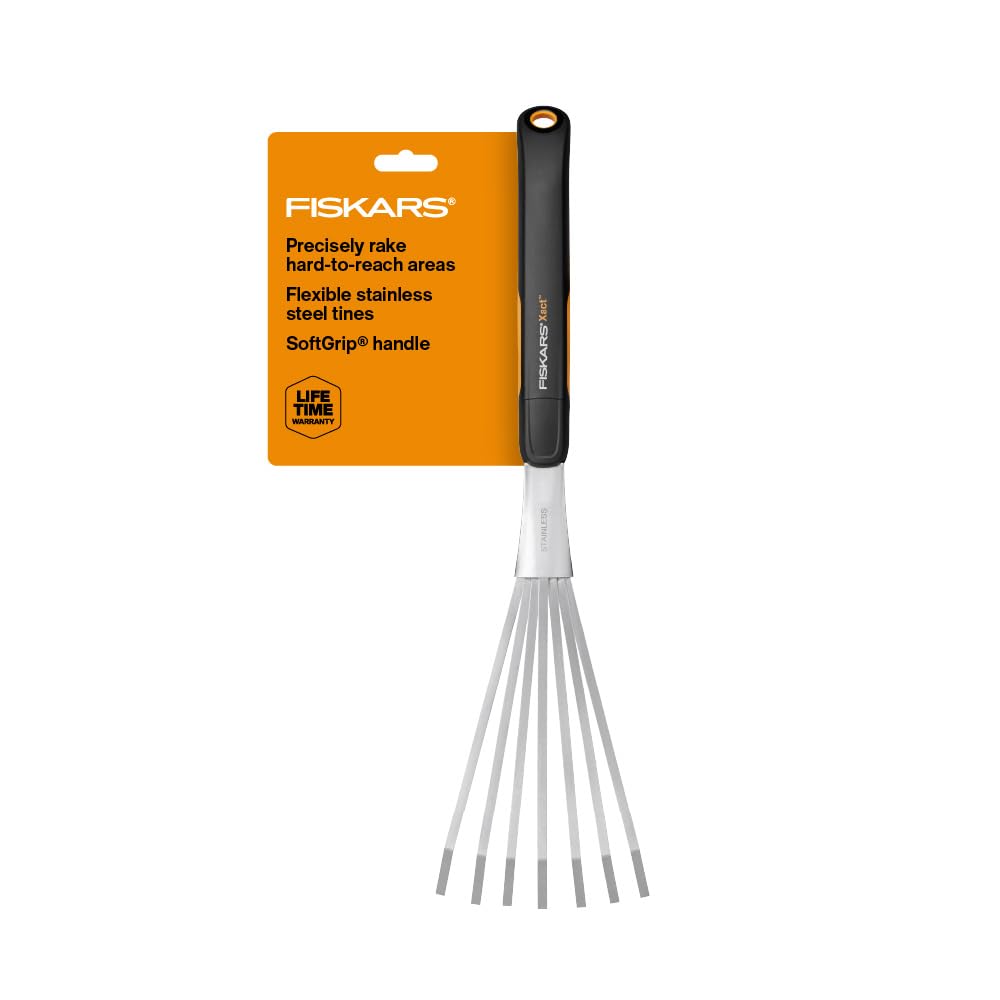
- Hand rake: a small rake for beds, containers and raised beds, used while kneeling.
Most homeowners do well with two: a bow rake for soil work and a leaf rake for cleanup.
Pros and Cons
A garden rake is one of the most useful tools you can own, but it has limits.
Pros
- Affordable and long lasting with basic care
- No fuel, batteries or noise
- Handles soil prep, mulching, leveling and cleanup
- Gives precise control in beds and around plants
Cons
- Physically demanding on large areas
- One rake rarely covers every job well
- Cheap tines can bend or snap under heavy loads
Is a Garden Rake Right for You?
If you grow anything at all, a garden rake is worth owning. Vegetable gardeners use it to prepare seedbeds each season, and anyone with beds, a lawn or trees will use it for mulching and cleanup. Even small yards benefit, since a rake handles jobs a mower or blower cannot, such as leveling soil or spreading gravel.
Very large properties may want a leaf blower or lawn sweeper for fall leaves, but a rake still handles the detail work. For help matching a rake to your yard, read how to choose a garden rake, and for technique tips, see how to use a garden rake.
Frequently Asked Questions
How does a garden rake work?
A garden rake works by dragging a row of tines through soil or debris. Pulling the rake loosens the surface, catches stones and gathers material toward you, while pushing spreads material away. Flipping a bow rake over lets its flat back smooth soil into an even layer for planting.
Is a garden rake worth buying?
Yes, for nearly every gardener. A good bow rake costs little, needs no power and handles soil prep, mulching, leveling and cleanup for years. Pairing it with a leaf rake covers almost every raking job in a typical yard, which makes it one of the best value tools in the shed.
How long does a garden rake last?
A well made steel rake can last many years, often a decade or more. Lifespan depends on build quality and care: welded heads, thick tines and fiberglass handles hold up best. Clean off soil after use, store the rake out of the weather and never use it as a pry bar.
Final Thoughts
So, what is a garden rake used for? It loosens and levels soil, breaks up clods, spreads mulch and gravel, prepares seedbeds and clears leaves and debris. A bow rake handles the heavy work and a leaf rake handles cleanup. When you are ready to buy, see our picks for the best garden rake, the best garden rake for heavy duty use and the best garden rake for backyards.


