
Top 3 Garden Spades for Clay Soil in 2026: Honest Reviews and Buying Advice
Disclosure: We may earn a commission when you buy through links on this page, at no extra cost to you. As an Amazon Associate I earn from qualifying purchases. Learn more

Serrated blades, pointed tips and steel shafts that bite into hard ground: our picks for the best garden spade for clay soil.
Clay soil is sticky when wet and nearly rock hard when dry, and it laughs at flimsy shovels with soft edges and wobbly handles. Add buried roots and stones and an ordinary spade bends, bounces or leaves you with sore wrists after one planting hole. The best garden spade for clay soil has a sharp, tough steel blade, a shape that bites into dense ground and a handle that lets you put your weight behind it. We picked these tools by comparing specs, verified owner feedback on Amazon, expert advice and price against value.
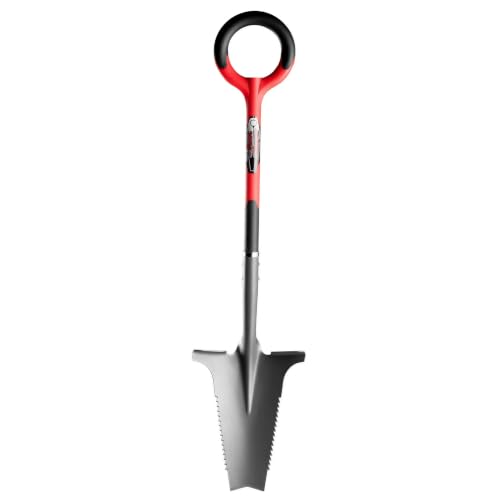
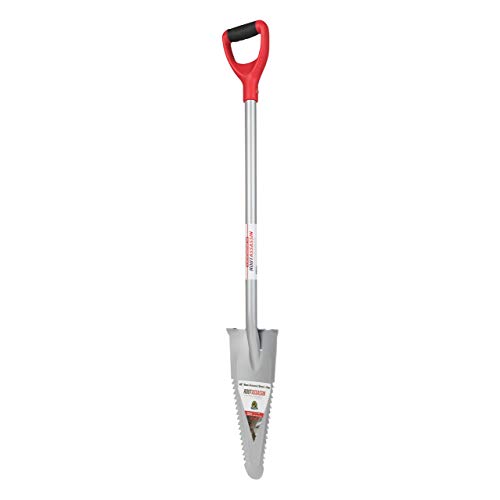
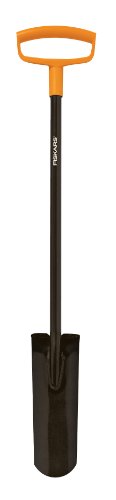
Our top three are the Root Slayer 22011 for most gardeners, the Root Assassin 48 inch shovel saw for rooty ground and the Fiskars 46 inch Transplanting Spade as a narrow, budget friendly digger.


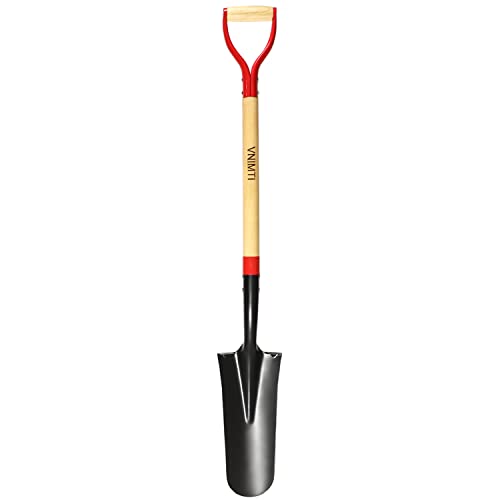
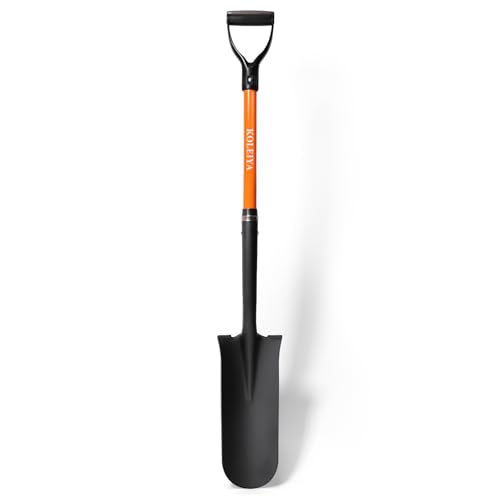
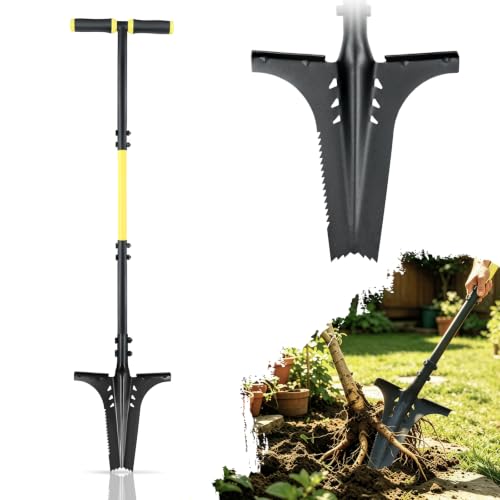
Our Top 3 Picks at a Glance
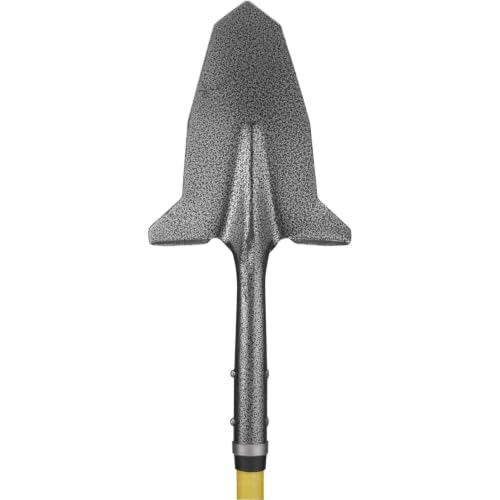
- Best Overall: Root Slayer 22011 Garden Shovel (around $60). A serrated carbon steel blade with an inverted V tip that slices roots and packed clay.
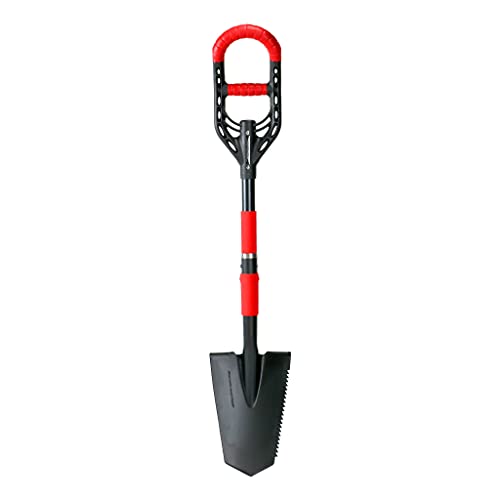
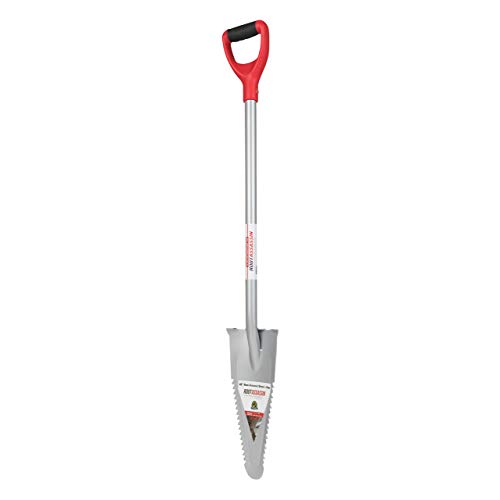
- Runner Up: Root Assassin 48 Inch Garden Shovel/Saw (around $50). Serrated edges, a curved pointed tip and a rubber coated D handle.
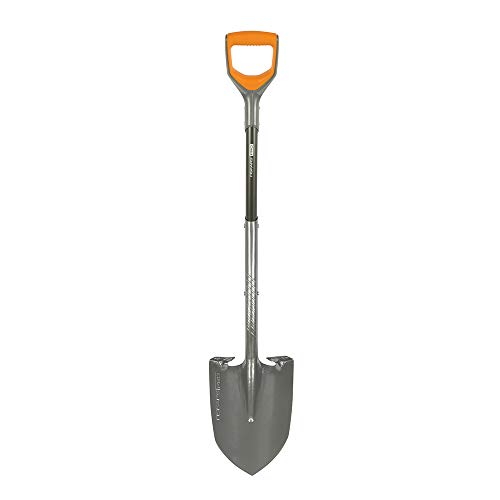
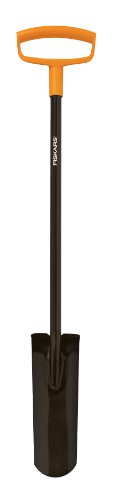
- Best Value: Fiskars 46 Inch Transplanting Spade (around $30). A narrow 14 gauge steel blade and an all steel shaft that will not flex.
How We Chose the Best Garden Spade for Clay Soil
Every tool here is sold new and in stock on amazon.com. We looked for blades that cut dense soil and roots, shafts that resist bending, and handles that give leverage. Then we weighed owner feedback, review volume, warranty and price.
Garden Spade for Clay Soil Reviews
1. Root Slayer 22011 Garden Shovel: Best Overall
- Heavy duty carbon steel blade with a powder coated finish
- Serrated edges and a sharpened inverted V cutting tip
- Resin encased steel shaft
- Ergonomic design to reduce strain on hands and wrists
Why We Picked It
The Root Slayer is designed for exactly the ground that defeats normal shovels. Its inverted V tip concentrates your force on a point, so it pierces hard clay instead of skating across the top. Serrated edges then saw through the roots that run through most established beds. That combination makes digging planting holes in compacted, rooty soil much faster.
The carbon steel blade has a powder coated finish to resist rust, and the resin encased steel shaft adds strength for repeated digging. Root Slayer notes it is not meant for heavy prying, so use it to cut and lift rather than as a crowbar. With a very large base of owner reviews, it is the safest choice for tough soil.
Pros
- Cuts through roots and hard clay
- Pointed V tip penetrates dense ground
- Rust resistant coated blade
Cons
- Not meant for heavy prying
- Costs more than basic spades
Who Should Buy It
Choose the Root Slayer if you dig often in compacted clay or around tree roots. At around $60 it is a tool you will reach for every season.

2. Root Assassin 48 Inch Garden Shovel/Saw: Runner Up
- 48 inch overall length
- Carbon steel blade with serrated edges and a curved, pointed tip
- Rubber coated metal D handle
- Lifetime replacement guarantee from the maker
Why We Picked It
The Root Assassin pairs a shovel with a saw. Its serrated edges cut through roots and buried obstructions, while the pointed, curved tip lets you dig deep with plenty of leverage. That makes it a favorite for planting trees and shrubs where roots crisscross heavy soil.
The sturdy metal D handle is rubber coated for comfort, and the 48 inch length gives good leverage for prying out clods. The maker backs it with a lifetime replacement guarantee, which is reassuring for a tool that takes a beating in clay.
Pros
- Saws through roots easily
- Comfortable rubber coated D handle
- Lifetime replacement guarantee
Cons
- Serrations can snag in sticky wet clay
- Longer than some gardeners prefer for tight beds
Who Should Buy It
Pick the Root Assassin if you plant trees and shrubs in rooty, heavy ground and want a lifetime guarantee for around $50.
3. Fiskars 46 Inch Transplanting Spade: Best Value
- Welded 14 gauge steel blade
- 18 gauge steel shaft that will not flex like fiberglass
- Extra large D handle for two handed control with gloves
- Teardrop shaped shaft, lifetime warranty
Why We Picked It
A narrow blade is a quiet advantage in clay. Less surface area means less resistance, so the Fiskars Transplanting Spade slides into dense soil that would stop a wide blade. It is designed for small, deep holes and digging up bulbs, which covers most planting in heavy ground.
The all steel build is the other reason it earns a place. A welded 14 gauge blade and 18 gauge steel shaft will not flex the way fiberglass can, and the extra large D handle gives secure two handed control even in gloves. A lifetime warranty seals the deal at this price.
Pros
- Narrow blade cuts into clay easily
- Strong all steel construction
- Lifetime warranty at a low price
Cons
- Narrow blade moves less soil per scoop
- Steel shaft can get hot in summer sun
Who Should Buy It
Buy the Fiskars if you want a tough, affordable spade for planting in heavy soil at around $30.
Working with Clay and Rocky Soil
Strength and blade or tine material
Carbon or hardened steel blades hold an edge and resist bending in dense ground. Thin stamped blades fold quickly in clay, so check the gauge where the maker lists it.
Weight and leverage
A heavier tool drives deeper with each stroke, and a longer handle multiplies your force. A D handle gives control, while a long straight handle helps lever out clods.
Soil amendment tips
Work compost into clay each season to loosen it over time. Dig when the soil is moist but not sticky, and avoid working it when soaked. Wet clay smears and compacts under the blade, while bone dry clay barely yields; a light watering the day before you dig often gets it into the sweet spot.
How to Choose the Best Garden Spade for Clay Soil
Blade Shape: Spade vs Shovel
A flat spade edges and slices turf, while a pointed shovel or digging spade pierces hard ground better. For clay, a pointed or narrow blade usually wins. For flat edged options, see our picks for the best garden spade for edging.
Blade Material
Look for carbon steel, hardened steel or forged steel. Serrated edges help with roots, and the same features make a tool the best garden spade for rocky soil too. Our overall guide to the best garden spade compares more materials.
Handle Length and Grip
D handles give control for transplanting, and long handles add leverage. Choose a length that lets you stand upright. Our guide on how to choose a garden spade covers sizing in more depth.
Step Platform
A wide step or footrest lets you push with your boot rather than your arms, which matters in hard clay. Forward bent or wide treads are kinder to your boots, and on a spade without a tread a pair of sturdy work boots with a firm sole makes a noticeable difference.
Weight
Heavier tools dig deeper but tire you out. If you garden mostly in raised or flower beds, a lighter spade may suit you better; see our list of the best garden spade for flower beds.
FAQs About Garden Spades for Clay Soil
Can a garden spade be used for clay soil?
Yes. A garden spade with a sharp steel blade and a pointed or narrow shape works well in clay. Dig when the soil is moist, use your foot on the step and cut in small bites rather than trying to lift huge clods.
How long does a garden spade last?
A quality steel spade can last many years, and some carry lifetime warranties. Cleaning, drying and sharpening the blade keep it working well in heavy soil. Avoid using any spade as a pry bar against rocks and stumps, since bent shafts and cracked welds are the most common ways good tools fail early.
Is a garden spade worth the money?
Yes. A good spade saves time and strain every time you plant, divide perennials or dig beds, and it rarely needs replacing. In clay especially, a sharp, strong blade turns a frustrating chore into steady progress, so a good spade is one of the best value tools in the shed.
How much should I spend on a garden spade?
Expect around $30 to $70 for a durable spade for clay. Paying more usually buys stronger steel and a better handle. Below that range, blades tend to be thinner and handles weaker, which shows quickly in heavy soil.
How do I maintain a garden spade?
Scrape off clay after each use, dry the blade and wipe it with a little oil. Sharpen the edge with a file each season. For technique tips, read how to use a garden spade.
Final Verdict
The Root Slayer 22011 is our best garden spade for clay soil, with a serrated blade and V tip that cut through roots and hard ground. The Root Assassin is a strong runner up for tree and shrub planting, and the Fiskars Transplanting Spade is the value pick. Check today's price on Amazon before you buy.


