
How to Use a Garden Spade the Right Way: Easy Step by Step Guide
Disclosure: We may earn a commission when you buy through links on this page, at no extra cost to you. As an Amazon Associate I earn from qualifying purchases. Learn more

How to use a garden spade for digging, edging and transplanting: safe prep, six simple steps, pro tips and the mistakes to avoid.
To use a garden spade, hold the handle with both hands, place the blade upright on the soil, put your foot on the step at the top of the blade and press down with your body weight. Then pull the handle back to lever the soil loose, bend your knees and lift a modest load. That is how to use a garden spade in a few lines, and the same motion works for digging beds, cutting clean edges, dividing perennials and transplanting shrubs.
A spade is not the same as a shovel. A spade has a flatter, straighter blade with a sharp edge for slicing into soil, while a shovel has a scooped blade for moving loose material. This guide covers safety, a step by step method, pro tips and the mistakes that strain backs and break handles.
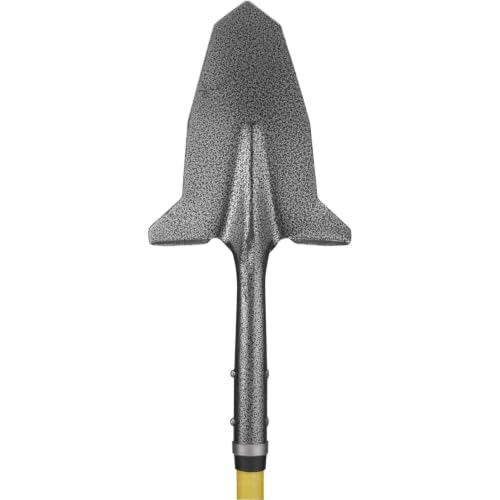

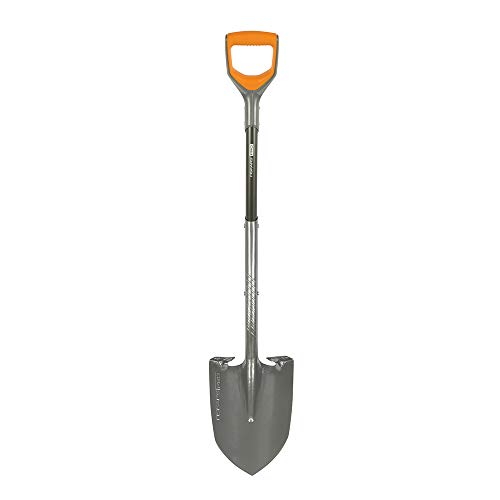
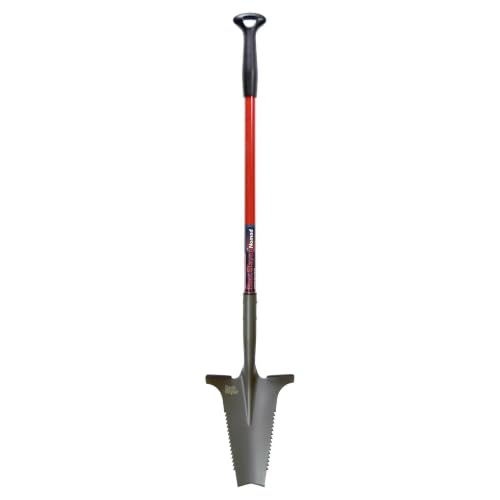
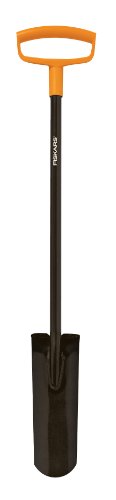
Before You Start: Safety and Prep
Wear sturdy shoes or boots with a firm sole. You will push the blade down with your foot, and soft sneakers or sandals let the step dig into your arch. Gloves protect against blisters and splinters, especially on wooden handles.
Before digging anywhere deeper than a planting hole, call your local utility locating service (811 in the US) so buried lines are marked. Check the area for large rocks, roots and hidden irrigation lines too.
Water dry, hard soil a day or two before you dig. Moist soil cuts far more easily than baked clay or bone dry ground, while soaking wet soil is heavy and sticky, so aim for something in between. Warm up with a few stretches, since digging uses the legs, back and shoulders. Plan to work for short stretches and take breaks before you feel tired, not after.
How to Use a Garden Spade Step by Step
Follow these six steps for cleaner cuts and less strain.
Step 1: Pick the right spade for the job
A standard digging spade with a flat, square blade handles most bed preparation and edging. A border spade has a smaller blade for tight beds and lighter users. A transplanting spade has a long, narrow blade that reaches deep under root balls. For heavy clay, a sharpened blade made from forged steel or heavy gauge steel holds up best. Choose a handle length that lets you stand mostly upright. If you are still shopping, read how to choose a garden spade first.
Step 2: Check the blade and handle before you start
Look for cracks in the handle, loose rivets or a wobbly joint between the blade and the shaft. A loose head can twist when you lever soil and hurt your wrists. Check the edge, too. A sharp blade slices through turf and roots, while a dull one bounces and makes you push harder. A few strokes with a file restore the edge.
Step 3: Use proper posture and technique
Stand with your feet about shoulder width apart, facing the spot you want to dig. Hold the handle with one hand on the grip and the other partway down the shaft. Set the blade vertical, place the ball of your foot on the step and press straight down, using your body weight rather than jumping on it. Once the blade is in, pull the handle back toward you to loosen the soil.
To lift, bend your knees, keep your back straight and slide your lower hand closer to the blade. Lift a small load and turn your whole body, feet included, to drop it. Twisting at the waist with a loaded spade is the most common way to strain your back.
Step 4: Work in manageable sections
Dig in rows or small squares instead of attacking a whole bed at once. Slice around the edges of the area first, then work across it one spade width at a time. For edging, push the blade straight down along a string line or garden hose, rocking it slightly, to cut a clean vertical edge. For transplanting, cut a circle around the plant a few inches outside the root zone, then lever under it from several sides before lifting. Spade blades with sharp edges also split perennials cleanly when you press straight down through the clump.
Step 5: Clean after use
Knock off caked soil, scrape the blade with a stick or putty knife and rinse it with a hose. Dry it with a rag, then wipe a thin coat of oil on the steel to keep rust away. Our guide on how to clean a garden spade explains deeper cleaning, rust removal and sharpening.
Step 6: Store it dry
Hang the spade on a wall or rack in a shed or garage, blade down or off the ground. Leaving it outside or standing in damp soil rusts the blade and rots or cracks wooden handles. Rub a little linseed oil into wooden handles once a season to keep them from drying out.
Pro Tips for Better Results
- Sharpen often. A few passes with a file at the start of each season make digging noticeably easier.
- Use your weight, not your arms. Let your foot and body push the blade in, and save your arms for lifting.
- Slice before you lift. Cut the four sides of a block of turf or soil, then lever it out in one clean piece.
- Double dig new beds. Loosen the top layer, set it aside, then loosen the layer below before returning the topsoil mixed with compost. Roots spread more easily in the deeper, looser soil.
- Keep loads small. A half full spade lifted many times beats a heavy load that strains your back.
- Match the tool to the soil. Heavy clay calls for a strong, sharp blade, so see our list of the best garden spade for clay soil if you fight sticky ground.
- Use a dedicated edger for long borders. A flat spade works, but our picks for the best garden spade for edging show blades made for crisp lawn edges.
Common Mistakes to Avoid
- Using the spade as a pry bar. Levering against big rocks or thick roots can snap the handle or bend the blade. Cut roots with loppers or a saw first.
- Digging at an angle. A slanted blade takes more effort and leaves uneven edges. Keep it vertical for cutting.
- Twisting with a load. Turn your feet, not your spine.
- Working in very dry or waterlogged soil. Both make digging harder and can damage soil structure.
- Storing it dirty. Wet soil on the blade leads to rust and a dull edge.
- Wearing soft shoes. The step can bruise your foot and you lose pushing power.
Frequently Asked Questions
How often should I use a garden spade?
Use it whenever a job calls for clean cuts or deep digging: preparing new beds, edging borders, dividing perennials or moving shrubs. Many gardeners use a spade most in spring and fall. For light weeding and planting small flowers, a hand trowel is usually the better tool.
Can beginners use a garden spade safely?
Yes. A spade is one of the simplest garden tools. Beginners only need sturdy shoes, a sharp blade and good technique: push down with the foot, keep the back straight, bend the knees to lift and take small loads. Working in short sessions prevents sore muscles.
Should I sharpen a garden spade?
Yes. A sharp edge cuts turf, roots and compacted soil with far less effort. Clamp the spade, then run a mill file along the bevel on the front of the blade in one direction until you see a thin, even edge. You do not need a razor edge; a clean, slightly beveled one is ideal. Most gardeners sharpen once or twice a season.
What is the difference between a spade and a shovel?
A spade has a flat, straight edged blade designed for cutting and slicing soil, edging and transplanting. A shovel has a curved, scooped blade and usually a pointed tip, designed for scooping and moving loose material like gravel, mulch or soil from a pile. Many gardeners keep one of each.
Final Thoughts
Learning how to use a garden spade well comes down to a sharp blade, a vertical cut, your body weight on the step and small, careful lifts. Clean and dry the tool after every job and it will last for many seasons. Ready for a new one? See our picks for the best garden spade.


