
How to Choose a Garden Spade: Features That Matter in 2026
Disclosure: We may earn a commission when you buy through links on this page, at no extra cost to you. As an Amazon Associate I earn from qualifying purchases. Learn more
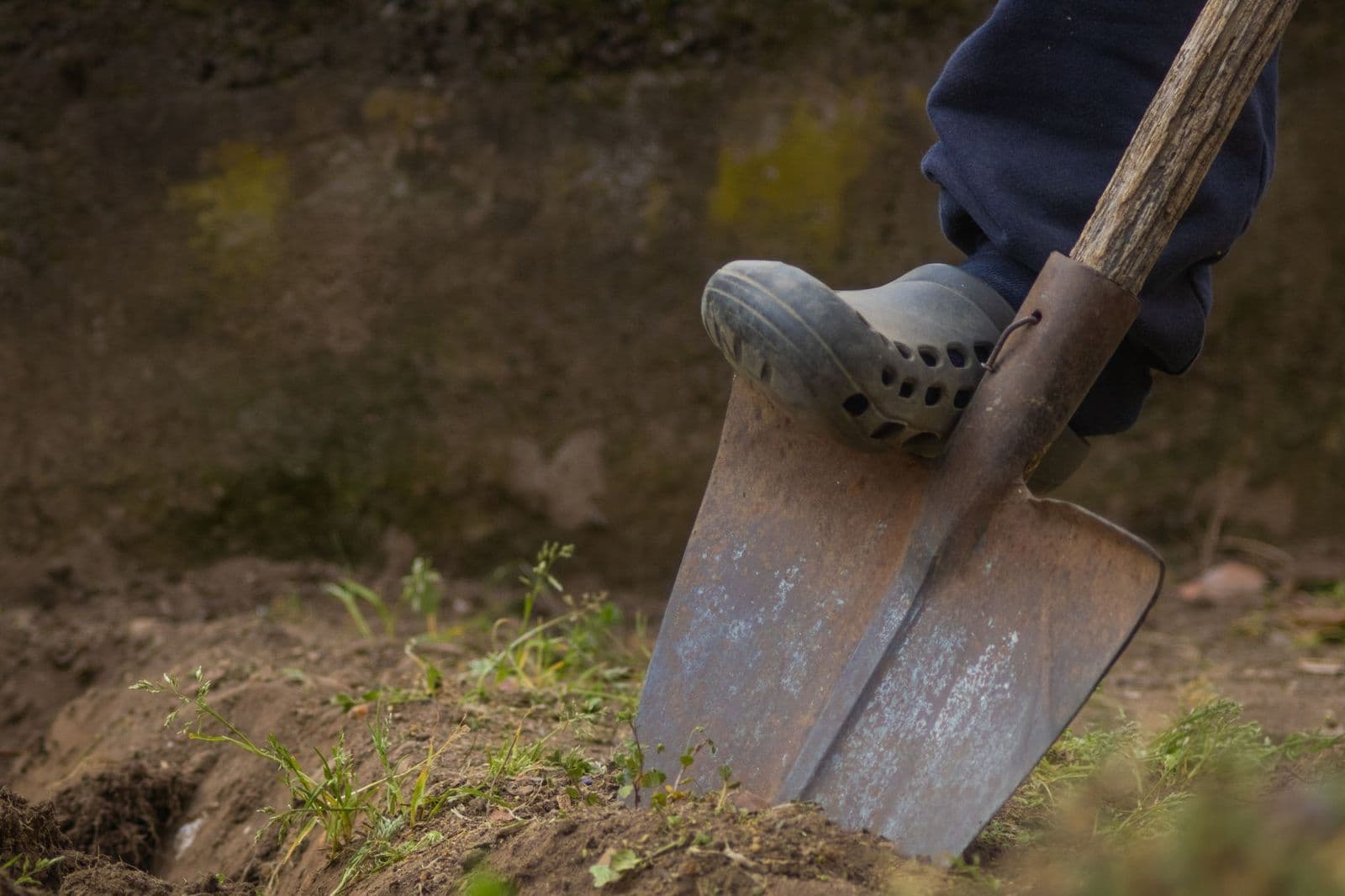
Blade shape, steel, handle length and step explained: how to choose a garden spade that fits your soil and your height.
To choose a garden spade, pick a flat, sharp blade for cutting edges, digging beds and transplanting, and a size that matches your height and soil. Look for a forged or heavy gauge steel or stainless blade, a strong handle joint, a wide step for your foot and a weight you can lift all afternoon. That is how to choose a garden spade in brief; below we cover each feature, what to spend and the mistakes that lead to bent blades and sore backs.
What Is a Garden Spade and Do You Need One?
A garden spade is a digging tool with a flat or slightly curved, squared blade and a sharp bottom edge. Unlike a shovel, which scoops loose material, a spade slices into soil and turf. You need one if you dig new beds, cut lawn edges, divide perennials or move shrubs. For those jobs, the answer to why buy a garden spade is easy: it does the work faster and cleaner than any shovel.
Main Types of Garden Spades
- Digging spade: a full size, flat blade for turning soil and cutting new beds. The everyday choice for most gardeners.
- Border spade: a smaller, lighter blade for tight beds and for gardeners who want less weight.
- Transplanting spade: a long, narrow, rounded blade that digs deep holes and lifts root balls with minimal disturbance.
- Edging or half moon spade: a curved blade for crisp lawn edges along paths and beds.
- Drain or trenching spade: a narrow blade for trenches, irrigation lines and post holes.
- Serrated root cutting spade: a toothed edge that saws through roots in established gardens.
How to Choose a Garden Spade: Key Features to Consider
Knowing what to look for in a garden spade helps you skip the tools that bend in the first season.
Blade Shape: Spade vs Shovel
Spades have flat, straight edged blades for slicing; shovels have curved, pointed scoops for moving loose material. If you mainly dig beds and edges, choose a spade. If you move gravel or mulch, add a shovel to your shed as well.
Blade Material
Forged or heavy gauge carbon steel is strongest and can be sharpened, but it needs oiling to prevent rust. Stainless steel resists rust and slides through sticky soil, though it costs more. Thin stamped steel is cheap but bends in clay. A blade with a sharpened or beveled edge cuts turf and roots far more easily than a blunt one.
Handle Length and Grip
Short handles with a D grip give control and leverage for close work. Long, straight handles let taller gardeners dig with a straighter back. Fiberglass resists rot and breakage, while ash wood feels comfortable and absorbs shock.
Step Platform
A rolled or flat step on top of the blade spreads the force from your boot, making it easier to push into hard ground and kinder to your foot. It also stops the thin top edge of the blade from wearing through the sole of your boot, which matters if you dig often in clay or rocky soil.
Weight
Heavier spades drive into compacted soil more easily but tire you faster. Border spades and lighter models suit smaller gardeners and long sessions. If you can, lift a spade at shoulder height in the store; if it feels heavy after ten seconds, it will feel much heavier after an hour of digging.
Warranty
Good spades often carry long or lifetime warranties. A strong warranty is a sign the maker trusts the blade and handle joint, the most common failure point.
How Much Should You Spend?
So, how much does a garden spade cost? Entry level spades run around $20 to $30 and handle light digging in loose soil. Mid range models around $40 to $55 add tougher steel, better handles and stronger joints. Premium spades around $60 to $70, with stainless or forged blades and steel reinforced handles, are worth it for clay soil and frequent use.
Where to Buy a Garden Spade: Amazon vs Big Box Stores vs Specialty Shops
Amazon offers the widest range, verified owner reviews and home delivery. Big box stores let you check weight and handle length in person. Specialty garden centers carry premium brands and offer expert advice. Compare returns and warranty support before choosing where to buy a garden spade.
What Size Garden Spade Do You Need?
If you are asking what size garden spade do I need, use this as a starting point:
| Garden or gardener | Suggested spade | Typical overall length |
|---|---|---|
| Small beds, containers or petite gardeners | Border or mini spade | 30 to 40 inches |
| Typical backyard beds and lawns | Full size digging spade | 40 to 46 inches |
| Large gardens or taller gardeners | Long handled digging spade | 48 to 58 inches |
Is a Garden Spade Worth Buying?
Yes. A good spade is one of the most used tools in any garden, and a quality one can last decades. It digs, edges, divides and transplants with less effort than a shovel, and it never needs fuel or charging. For tough ground, see our best garden spade for clay soil picks.
Common Buying Mistakes to Avoid
- Buying a scooped shovel when you need a flat spade.
- Choosing thin stamped steel for clay or rocky soil.
- Ignoring handle length and ending up stooping.
- Skipping the step platform if you dig hard ground.
- Picking the heaviest spade without testing the weight.
Frequently Asked Questions
How long does a garden spade last?
A well made spade with a forged or stainless blade can last for decades with care. Cheap spades may bend or crack within a few seasons. Cleaning, drying and oiling the blade extends its life; our guide on how to clean a garden spade shows how.
How much does a garden spade cost?
Most garden spades cost around $20 to $70. Budget models suit light jobs, while stainless and steel reinforced models at the higher end are built for heavy, frequent digging.
Is a garden spade worth buying?
Yes, if you dig beds, edge lawns or move plants. A spade makes those jobs faster and neater than a shovel, and a quality one is a long term investment rather than a yearly purchase.
What should I look for in a garden spade?
Start with blade shape and material, then check handle length, grip style, the step and overall weight. A strong joint between blade and handle matters most, since that is where cheap spades fail. A good warranty is a helpful tie breaker.
What is the best brand of garden spade?
There is no single best brand. Spear Head Spade, Spear and Jackson, Fiskars, Root Slayer and Bully Tools all make well regarded spades. Choose the type and size that suit your garden, then compare build and warranty.
Final Thoughts
Now you know how to choose a garden spade: choose the right blade type, a strong material, a handle that fits your height and a weight you can manage. When you are ready to buy, see our picks for the best garden spade and the best garden spade for edging, then read how to use a garden spade.


