
Top 3 Lightweight Garden Tillers in 2026: Honest Reviews and Buying Advice
Disclosure: We may earn a commission when you buy through links on this page, at no extra cost to you. As an Amazon Associate I earn from qualifying purchases. Learn more

The best lightweight garden tiller is easy to lift and steer yet still breaks up soil. See our top gas, corded and cordless picks.
A full size rear tine tiller is overkill for most home gardens. It is heavy to load, hard to turn at the end of a row and too wide for raised beds and flower borders. Many gardeners also simply cannot wrestle a machine that weighs well over a hundred pounds. The best lightweight garden tiller breaks up soil, mixes in compost and cuts weeds while staying easy to lift, steer and store. We compared current gas, corded and cordless models on weight, tilling width and depth, power, ease of use, verified owner feedback on Amazon, expert opinion and price against value.
Our top three are the Mantis 7940 with its Honda four stroke engine, the BILT HARD 14 inch corded tiller as the budget pick at under 18 pounds, and the TaskStar 40V cordless tiller as the runner up for gardens far from an outlet.


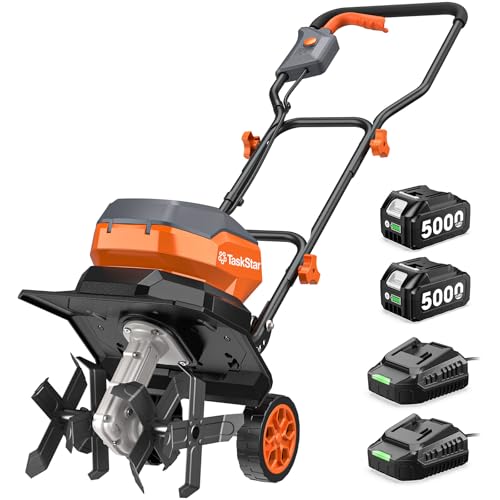

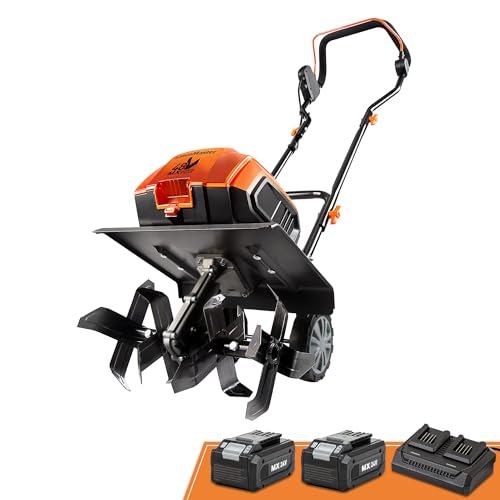
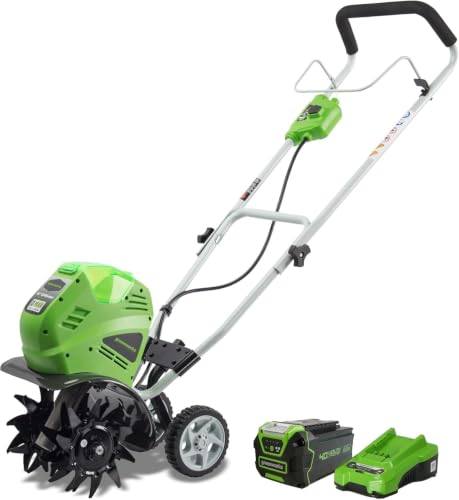
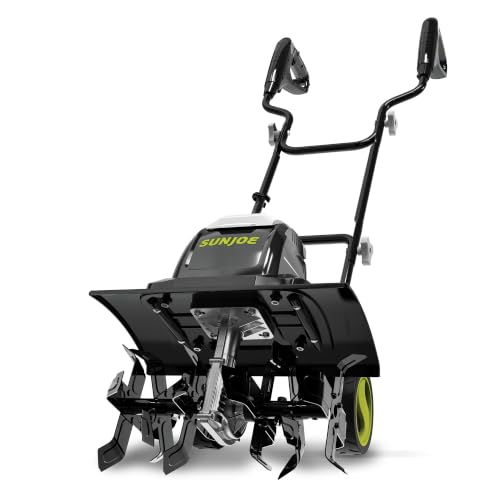
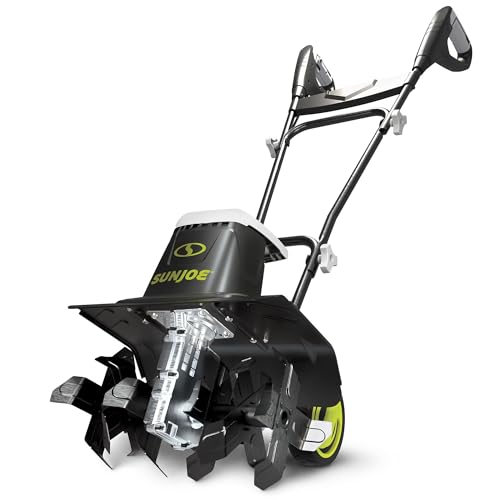
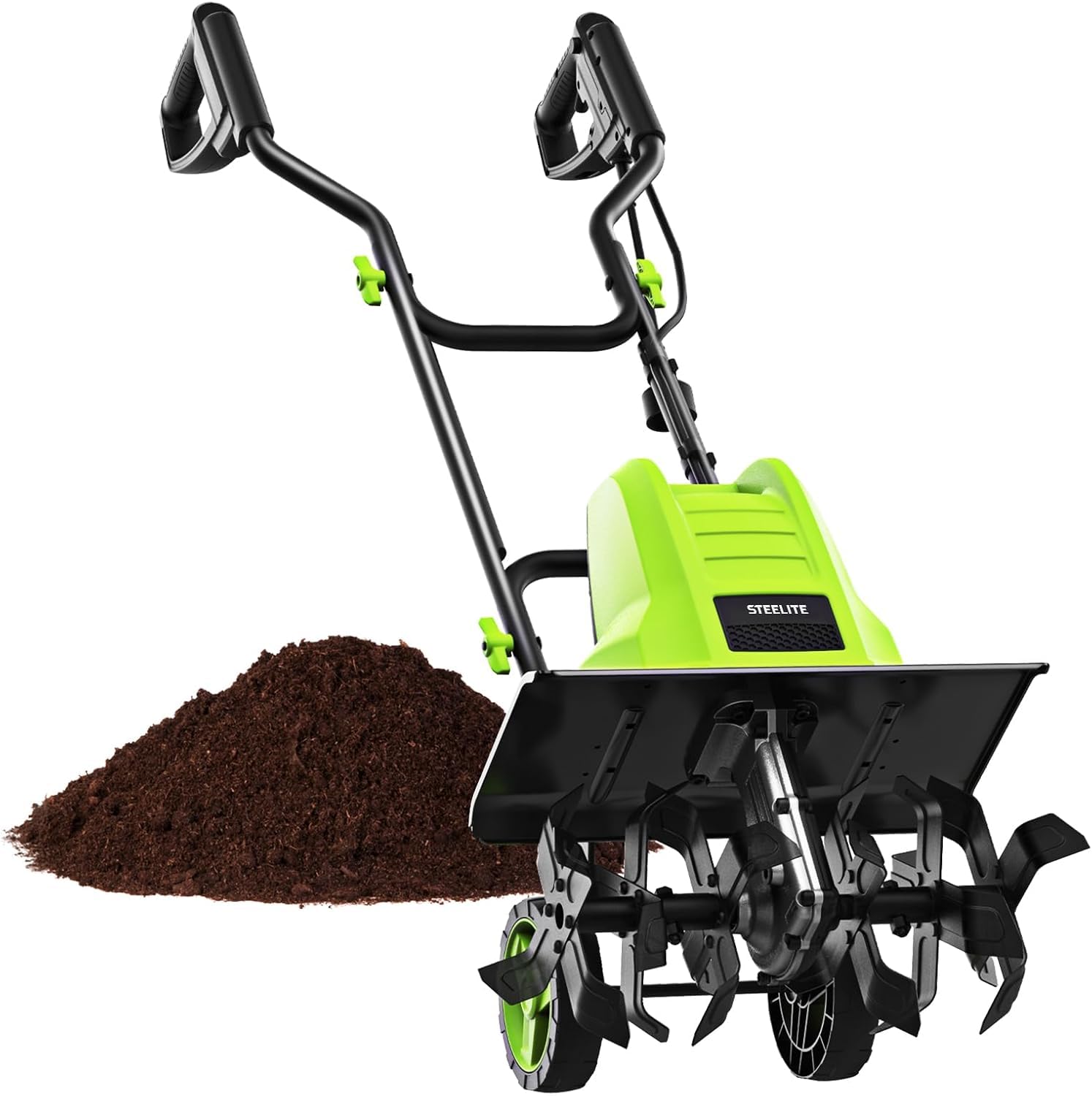
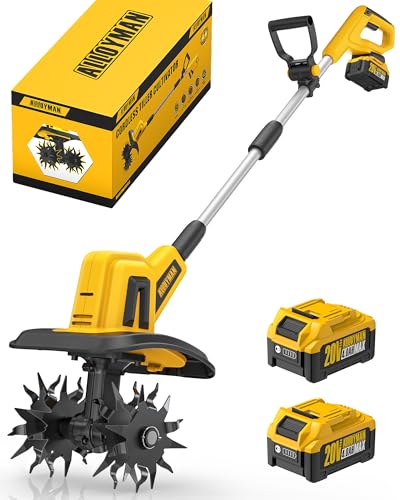
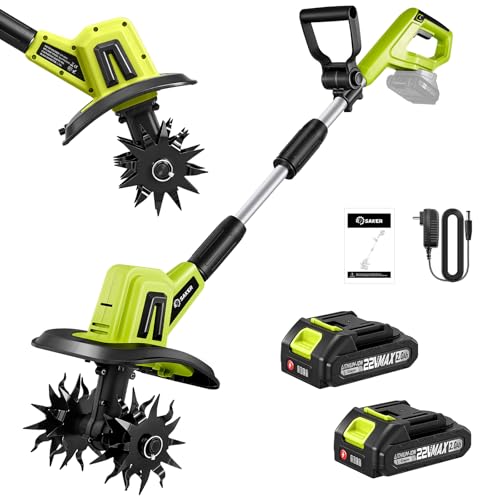

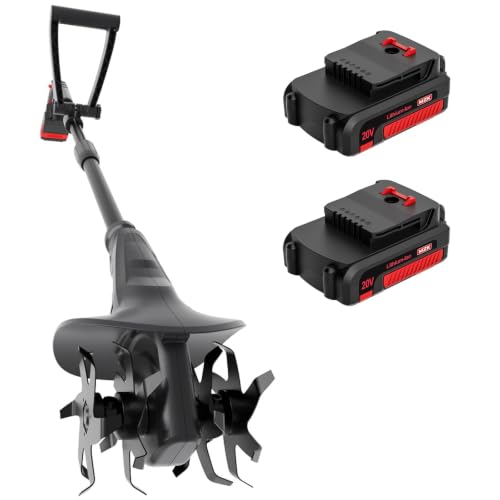

Our Top 3 Picks at a Glance
- Best Overall: Mantis 7940 4-Cycle Honda Tiller/Cultivator (around $490). A 25cc Honda engine in a 24 pound package, with no fuel mixing and a handy kickstand.
- Best Value: BILT HARD 14 Inch 10 Amp Electric Tiller Cultivator (around $80). Corded power, up to 8.7 inches of depth and folding handles at a very low price.
- Runner Up: TaskStar 40V 12 Inch Cordless Tiller Cultivator (around $160). Two 5.0Ah batteries, a 12 inch width and four depth settings with no cord to drag.
How We Chose the Best Lightweight Garden Tiller
Weight came first, along with balance and how easy each tiller is to start, steer and store. Then we looked at tilling width and depth, power source and whether the machine can handle real garden soil rather than just loose potting mix. We also compared owner ratings and review volume, build quality and warranty, price against features and current availability on amazon.com.
Lightweight Garden Tiller Reviews
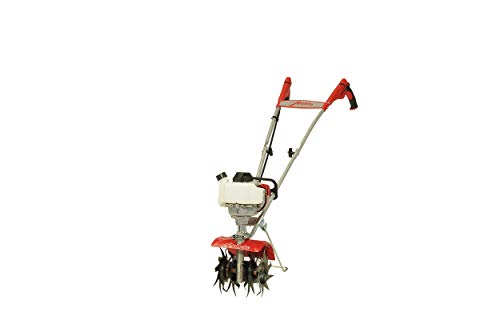
1. Mantis 7940 4-Cycle Honda Tiller/Cultivator: Best Overall
- Honda 25cc four stroke engine, gas only with no fuel mixing
- Weighs 24 pounds
- Finger controlled throttle with variable speed
- Standard kickstand for stability and storage
- Made in the USA with a two year limited warranty
Why We Picked It
The Mantis 7940 is the classic answer to the question of how much tiller you can fit into a light machine. At 24 pounds, most gardeners can lift it into a car trunk or carry it to a back bed, yet the Honda engine spins the tines fast enough to chew through compacted soil and sod. The four stroke engine runs on regular gas, so there is no oil mixing.
The finger throttle gives precise speed control, which matters when you are working close to established plants. You can creep slowly between rows, then open it up in an empty bed. The kickstand keeps it upright while you rest or clear a rock. As a premium lightweight tiller for beds and gardens, it combines power and portability better than anything else here.
Pros
- Light yet powerful
- No fuel mixing with the four stroke Honda engine
- Made in the USA, with a two year limited warranty
Cons
- Pricey compared with electric models
- Narrow for big plots
Who Should Buy It
Choose the Mantis if you have established vegetable beds or tough soil and want gas power without the bulk. At around $490, it is an investment that suits gardeners who till several times a year.
2. BILT HARD 14 Inch 10 Amp Electric Tiller Cultivator: Best Value
- 10 amp corded motor
- Tills up to 14 inches wide and 8.7 inches deep
- 4 rust resistant steel tines
- Foldable H handle with quick bolt knobs
- Two position 6 inch wheels
- Weighs about 18 pounds
Why We Picked It
For most backyard gardens, the BILT HARD 14 inch tiller does the job at a fraction of the cost of gas. It weighs just under 18 pounds, so moving it between beds is easy, and the wheels adjust for tilling or rolling it back to the shed. The corded motor starts at the press of a switch, with no pull cord or fuel to manage.
The 14 inch width covers ground quickly in an open bed, and the depth reaches 8.7 inches, enough to work in compost and loosen soil for planting. The folding handles let it hang on a wall or slide under a bench. As the best value electric tiller for home gardens, it is hard to beat.
Pros
- Very light for its width
- Instant electric start, no fuel
- Low price
Cons
- Cord management takes some care
- Struggles in hard clay compared with gas
Who Should Buy It
Buy the BILT HARD if your beds are within reach of an outdoor outlet and you want an affordable, easy tiller for spring prep. At around $80, it is the budget pick in this guide.

3. TaskStar 40V 12 Inch Cordless Tiller Cultivator: Runner Up
- 40V system with two 5.0Ah batteries
- 12 inch tilling width and 8 inch working depth
- Four position depth wheel
- Dual switch safety lock
- Wheeled design and ergonomic handle
Why We Picked It
Cordless tillers have become far more capable, and the TaskStar 40V shows how far they have come. Two 5.0Ah batteries give it enough runtime to finish a typical bed in one session, and the 40V platform offers more torque than common 20V models. With no cord, you can work in a community garden plot or the far corner of the yard.
The four position depth wheel lets you switch between shallow weeding and deeper cultivation, which is useful when prepping raised beds. The safety switch must be pressed with the trigger, so the tines do not start by accident. TaskStar markets it to older gardeners and anyone who wants less strain on the back and arms, and the lighter build supports that.
Pros
- No cord and no fuel
- Two batteries included
- Adjustable depth for weeding or tilling
Cons
- Runtime limits large jobs
- Less proven brand than Mantis or Honda
Who Should Buy It
This tiller suits gardeners who want cordless freedom and a lighter machine for small to medium beds. At around $160 with batteries included, it is a good middle ground between corded and gas.

Why Weight Matters More Than You Think
Weight vs power trade off
Heavy tillers dig themselves in, which helps in hard ground. Light tillers bounce more in compacted soil, so they work best in beds that are tilled every season. Making two shallow passes is often faster than fighting a heavy machine. For new ground full of sod or roots, it can be worth renting a larger tiller once, then keeping a light model for yearly upkeep.
Balance and ergonomics
A well balanced tiller pulls itself forward without much effort. Look for adjustable handles, padded grips and wheels or a kickstand that take the weight while you are not tilling. A tiller that vibrates less is also easier on the wrists and shoulders during a long session, so read owner comments about handling before you buy.
Who benefits most
Raised bed gardeners, older gardeners and anyone with limited storage get the most from a light tiller. It can be carried up steps, lifted over a bed wall and hung on a garage hook when the season ends. If you garden in a small space, see our picks for the best garden tiller for small gardens.
How to Choose the Best Lightweight Garden Tiller
Tiller vs Cultivator
A cultivator is a small machine for loosening soil and weeding in existing beds. A tiller digs deeper and breaks new ground. Most light machines sit between the two, so check the listed depth. Our guide to the best garden tiller covers larger options.
Front Tine vs Rear Tine
Nearly all lightweight models are front tine designs, with the tines under or in front of the engine. They are easy to steer and turn in tight spaces. Rear tine tillers are heavier and better for breaking large new plots.
Gas vs Electric vs Battery
Gas gives the most power and unlimited runtime but needs fuel and maintenance. Corded electric is the lightest and cheapest, but the cord limits reach. Battery models offer freedom with less runtime. For heavy soil, read our picks for the best garden tiller for clay soil.
Tilling Width and Depth
Narrow widths of 6 to 10 inches fit between rows and into raised beds. Widths of 12 to 16 inches cover open beds faster. A depth of about 8 inches is plenty for most vegetables and flowers.
Weight and Maneuverability
Under 25 pounds is easy for most people to lift and carry. Wheels, folding handles and a compact frame help with transport and storage. If you need to lift the tiller into raised beds or a car trunk, weight matters more than a few extra inches of width.
Tine Material
Steel tines hold up best in rocky or root filled soil. Check that replacement tines are available, and clean off wet soil after each use to prevent rust. To compare prices across power types, see how much does a garden tiller cost.
FAQs About Lightweight Garden Tillers
How long does a garden tiller last?
A well maintained gas tiller can last many seasons, and corded electric models often last just as long because they have fewer parts to wear. Battery packs are usually the first part to need replacing. Storing the tiller dry and clean adds years to any model.
Is a garden tiller worth the money?
If you prepare beds every spring or mix in compost each season, yes. A light tiller does in minutes what takes an hour with a spade, and it saves your back. For a single small bed, renting or hand tools may be enough.
How much should I spend on a garden tiller?
Corded electric tillers start around $50 to $150. Cordless models run around $80 to $200 with batteries, and bare tool versions cost less if you already own a compatible battery. Premium lightweight gas tillers cost around $400 to $700. Not sure where to shop? Read where to buy a garden tiller.
How do I maintain a garden tiller?
Clean soil and roots off the tines after each use and check for loose bolts. For gas models, change the oil, clean the air filter and use fresh fuel. Store batteries indoors over winter.
Final Verdict
The Mantis 7940 is our top pick for its blend of Honda power and a 24 pound frame. The BILT HARD 14 inch is the value choice for gardens near an outlet, while the TaskStar 40V offers cordless freedom. For most home gardeners, the best lightweight garden tiller is the one you can lift and steer without strain, so check today's price and get ready for spring planting.


