How Does a Central Vacuum System Work: Expert Tips and Step by Step Guide
Disclosure: We may earn a commission when you buy through links on this page, at no extra cost to you. As an Amazon Associate I earn from qualifying purchases. Learn more

How does a central vacuum system work? See how the power unit, wall inlets and hidden pipes create whole house suction, plus types, pros and cons.
A central vacuum system works by placing a powerful motor and dirt canister, called the power unit, in a garage, basement or utility room and connecting it to inlet valves in the walls through a network of hidden PVC pipes. When you plug a lightweight hose into an inlet, the motor switches on, and airflow pulls dust and debris through the pipes into the canister, with the exhaust usually vented outside. That is how does a central vacuum system work in short, and this guide explains each part in plain English.
Below you will find what a central vac is, how the power unit, piping and inlets work together, what a whole house vacuum is best used for, the main types, the pros and cons and how to decide whether it suits your home.


What Is a Central Vacuum System?
A central vacuum system, often called a central vac or whole house vacuum, is a vacuum cleaner built into the house itself. Instead of carrying a machine from room to room, you carry only a hose and cleaning tools. The heavy parts stay in one place, out of the living space, and connect to the rest of the home through pipes inside the walls, floors or attic.
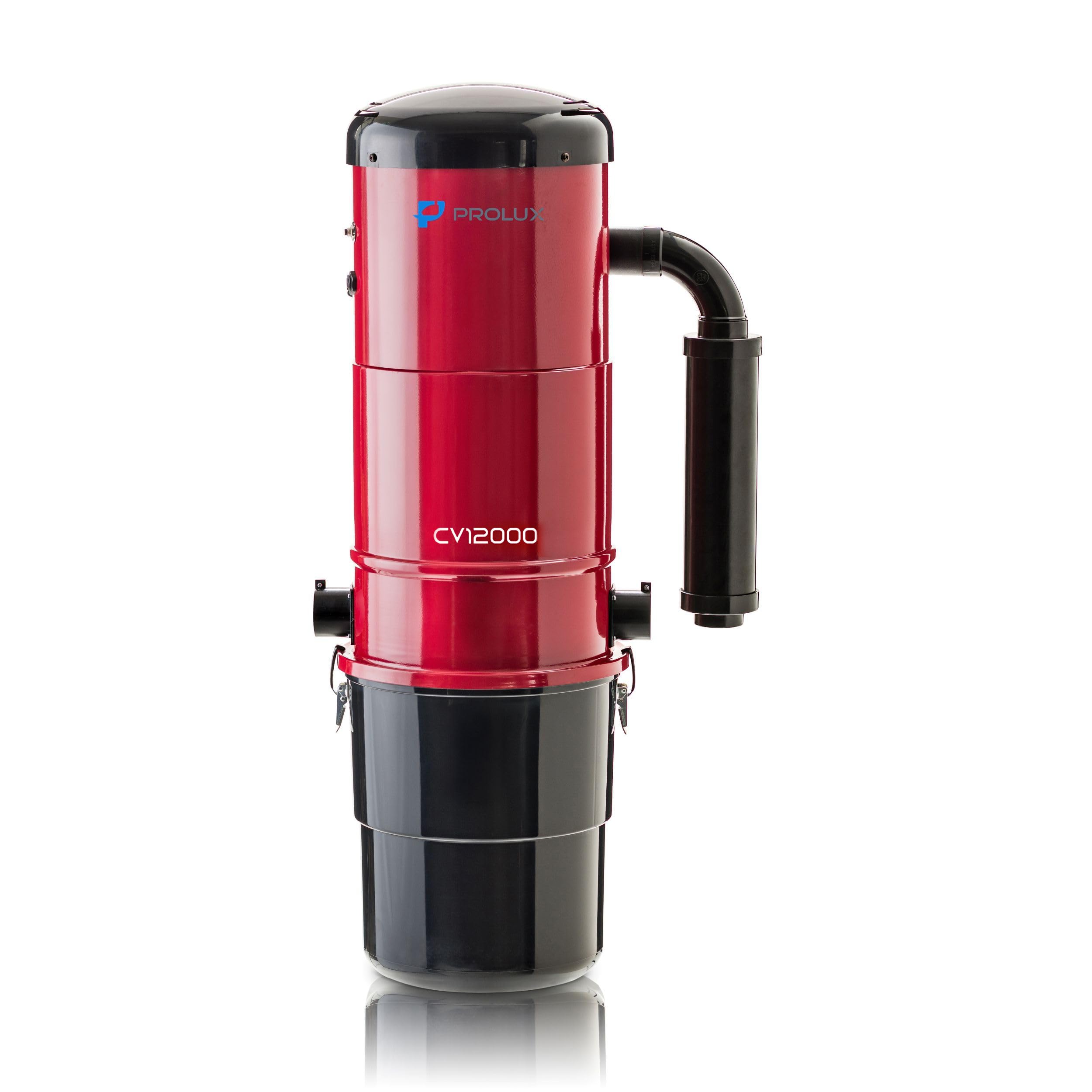
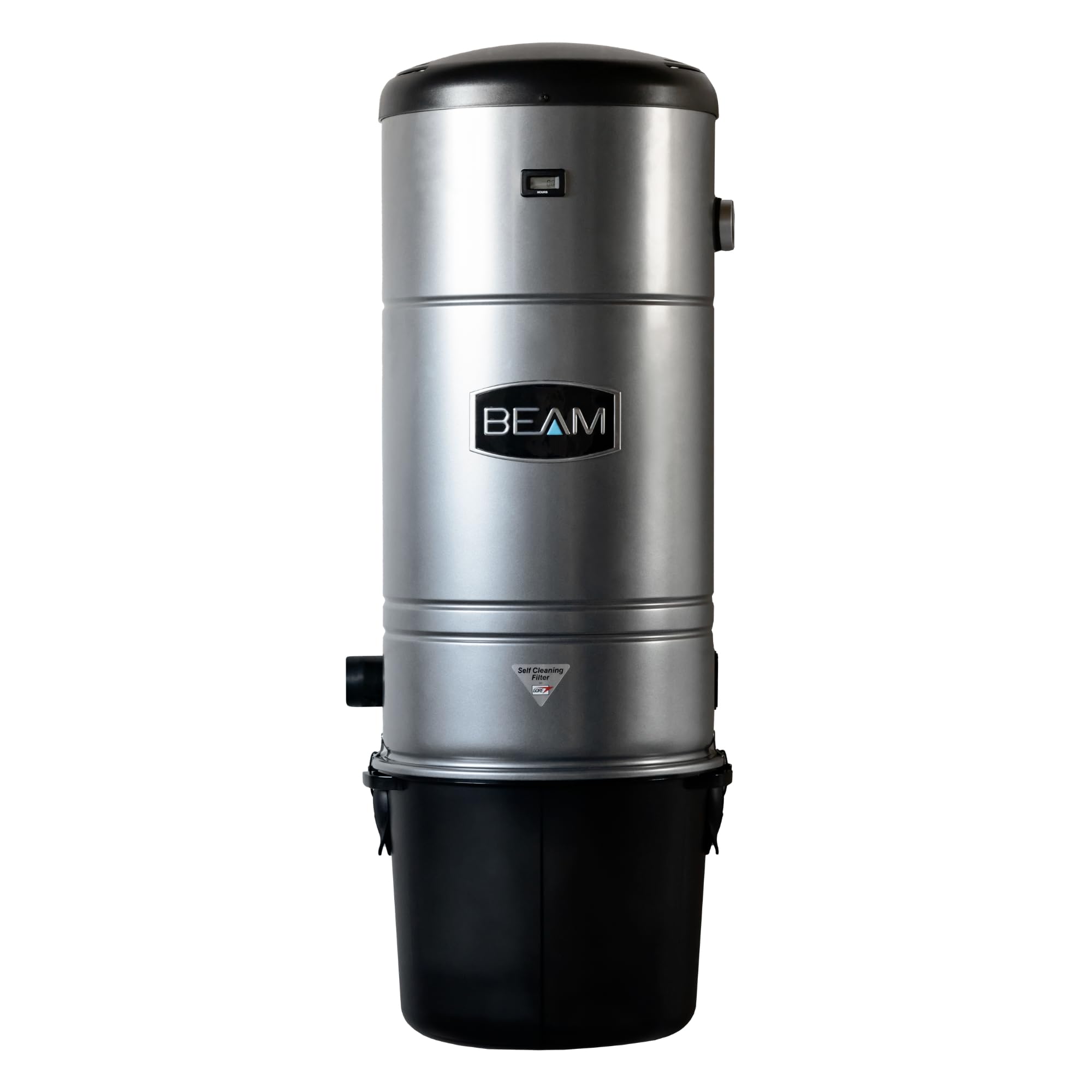
Every system has the same main parts: a power unit with the motor and dirt canister, a run of rigid tubing, wall inlet valves in central spots on each floor, low voltage wiring that tells the motor when to start, and a flexible hose with attachments. Many homes also add a utility inlet in the garage and a floor sweep inlet in the kitchen, where you simply sweep debris toward a slot in the baseboard.
Central vacs are common in new construction because the pipes are easiest to run before drywall goes up, but they can also be retrofitted into existing homes through closets, attics and basements.
How Does a Central Vacuum System Work?
Here is how the components work together each time you clean.
- Inlet valves. Spring loaded doors on the wall cover each inlet. Opening one and inserting the hose closes a low voltage circuit, either through metal contacts on the inlet or a switch on the hose handle.
- Low voltage wiring. Thin wires run alongside the pipes from every inlet to the power unit. When the circuit closes, a relay in the power unit turns the motor on.
- Power unit. A large motor spins fans that create strong suction. Because it is not limited by the size or weight of a portable machine, it can produce much more airflow than most upright or canister vacuums.
- Piping. Smooth PVC tubing, usually about 2 inches in diameter, carries air and dirt from each inlet to the power unit. Sweeping bends prevent clogs.
- Canister and filtration. Debris collects in a canister. Cyclonic units spin dirt out of the airstream, bagged units trap it in a disposable bag, and filtered units use a cloth or cartridge filter. Some hybrid models let you choose bags or no bags.
- Exhaust. Most installations vent exhaust air outside, which removes fine dust from the home instead of blowing it back into the room.
Airflow and suction work together. The power unit's air watts rating describes cleaning power at the hose, while the pipe layout determines how much of that power reaches each inlet. Short, straight runs with gentle bends keep performance strong, while long runs and sharp turns cost suction. That is why installers plan inlet locations carefully so one hose, often 30 to 35 feet long, reaches every room.
Installation follows the same logic. The installer mounts the power unit on a wall bracket near an outlet, usually in the garage or basement, then runs the main trunk line from there through the floors or attic. Branch lines split off to each inlet, and the low voltage wire is taped along the pipe. Joints are glued so the system stays airtight, because even a small leak reduces suction at every inlet.
When you finish, you pull out the hose, the inlet door closes, the circuit opens and the motor stops. Emptying the canister a few times a year is usually enough for an average home.
What Is a Central Vacuum System Used For?
So, what is a central vacuum system used for in everyday life? Here are the situations where it shines.
Allergies & Dust
Because the power unit sits outside the living area and usually vents outdoors, fine dust, pollen and dander leave the home instead of recirculating. Many allergy sufferers find this the biggest advantage over a portable vacuum.
Carpet
With strong suction and an electric power nozzle, a central vac pulls embedded grit from carpet fibers. The beater bar in the power head agitates the pile while the motor's airflow lifts the dirt away.
Hardwood Floors
A soft bristle floor brush on a central vac hose glides over hardwood without scratching, and there are no wheels on a heavy body to scuff finishes. Kitchen floor sweep inlets make quick cleanup of crumbs simple.
Large / Multi level Homes
Carrying a vacuum up and down stairs is a chore. With inlets on every floor, you carry only a light hose, which makes central vacs especially practical in large and multi level homes. Our guide to the best central vacuum system for large homes covers power units rated for bigger floor plans.
Pet Hair
Strong airflow and large canisters handle shedding pets well, and you empty the canister far less often than a small bagless bin. A turbo or electric pet head helps lift hair from upholstery and rugs. See the best central vacuum system for pet hair for models suited to homes with dogs and cats.
Types of Central Vacuum Systems
Central vacs are grouped mainly by how they separate and store dirt.
- Cyclonic systems. Air spins inside the canister so heavy dirt drops out. They need no bags, and many vent the remaining fine dust outdoors.
- Bagged systems. A disposable bag captures dirt for a clean, sealed disposal, which many allergy sufferers prefer. Bags are an ongoing cost.
- Filtered systems. A cloth or cartridge filter traps fine dust before air reaches the motor. Filters need periodic cleaning or replacement.
- Hybrid systems. These can run with or without disposable bags, giving you the choice of either approach.
Power units also differ in motor design. Many use bypass motors, which keep the cooling air separate from the dirty airflow for a longer motor life, and two stage motors that add extra lift for long pipe runs. Larger canisters suit big homes and busy households, since they need emptying less often.
Hoses also vary. Low voltage hoses turn the motor on and off from a switch on the handle, while electric hoses also power a motorized carpet head. Retractable hose systems store the hose inside the wall piping for a clutter free setup.
Power units are also sized by coverage. Makers list the floor area a unit can serve, and larger homes or longer pipe runs call for more air watts. Most buyers choose a unit rated for somewhat more space than they have, so performance stays strong at the farthest inlet.
Pros and Cons
A whole house vacuum offers real advantages, but it is a bigger commitment than buying a portable machine.
Pros
- Strong suction and airflow at every inlet
- Dust is removed from the living space, often vented outdoors
- Quiet in the room, since the motor is elsewhere
- No heavy machine to carry between floors
- Large canisters need emptying only occasionally
Cons
- Higher upfront cost, plus installation
- Retrofitting an existing home can be difficult
- Long hoses take some practice to manage and store
- Clogs in the pipes are harder to reach than in a portable vacuum
Is a Central Vacuum System Right for You?
A central vac makes the most sense if you are building or renovating, live in a large or multi level home, or have allergies and want dust removed from the living space. It is also a strong long term investment if you plan to stay in your home for many years.
Maintenance is light but important. Empty the canister or change the bag before it gets too full, clean or replace filters as the manual suggests, and keep the exhaust vent clear. If suction drops at one inlet but not others, a clog in that branch line is the likely cause, and a hose or pipe cleaning tool usually clears it.
If you rent, live in a small apartment or want to spend less, a good portable vacuum is simpler. Our roundup of the best central vacuum system compares power units if you decide to go ahead.
Frequently Asked Questions
What is a central vacuum system used for?
A central vacuum system is used to clean an entire home from wall inlets connected to one powerful power unit. It handles carpet, hard floors, stairs, upholstery and cars, with garage utility inlets and kitchen floor sweeps adding flexibility. It is especially popular in large homes and with people who have allergies.
Is a central vacuum system worth buying?
For many homeowners, yes. A central vac offers stronger suction, quieter cleaning and better dust removal than most portable vacuums, and it can add appeal when you sell. It is most worthwhile in new builds and larger homes. In small homes or rentals, a quality portable vacuum is usually the better value.
How long does a central vacuum system last?
Central vacuum power units are built for long service lives, and many last for decades with basic care. The in wall piping can last as long as the house. Motors may eventually need new brushes or replacement, and hoses and attachments wear out sooner, but they are simple to replace.
Final Thoughts
Knowing how does a central vacuum system work makes the choice easier: a power unit creates suction, hidden pipes carry dirt from wall inlets to a canister, and the exhaust leaves your living space. It suits large homes, allergy sufferers and new builds. If a central vac is not right for you, see our picks for the best vacuum cleaner, or learn where to buy a vacuum cleaner.