
How Does a Lawn Mower Work? Everything You Need to Know (2026)
Disclosure: We may earn a commission when you buy through links on this page, at no extra cost to you. As an Amazon Associate I earn from qualifying purchases. Learn more
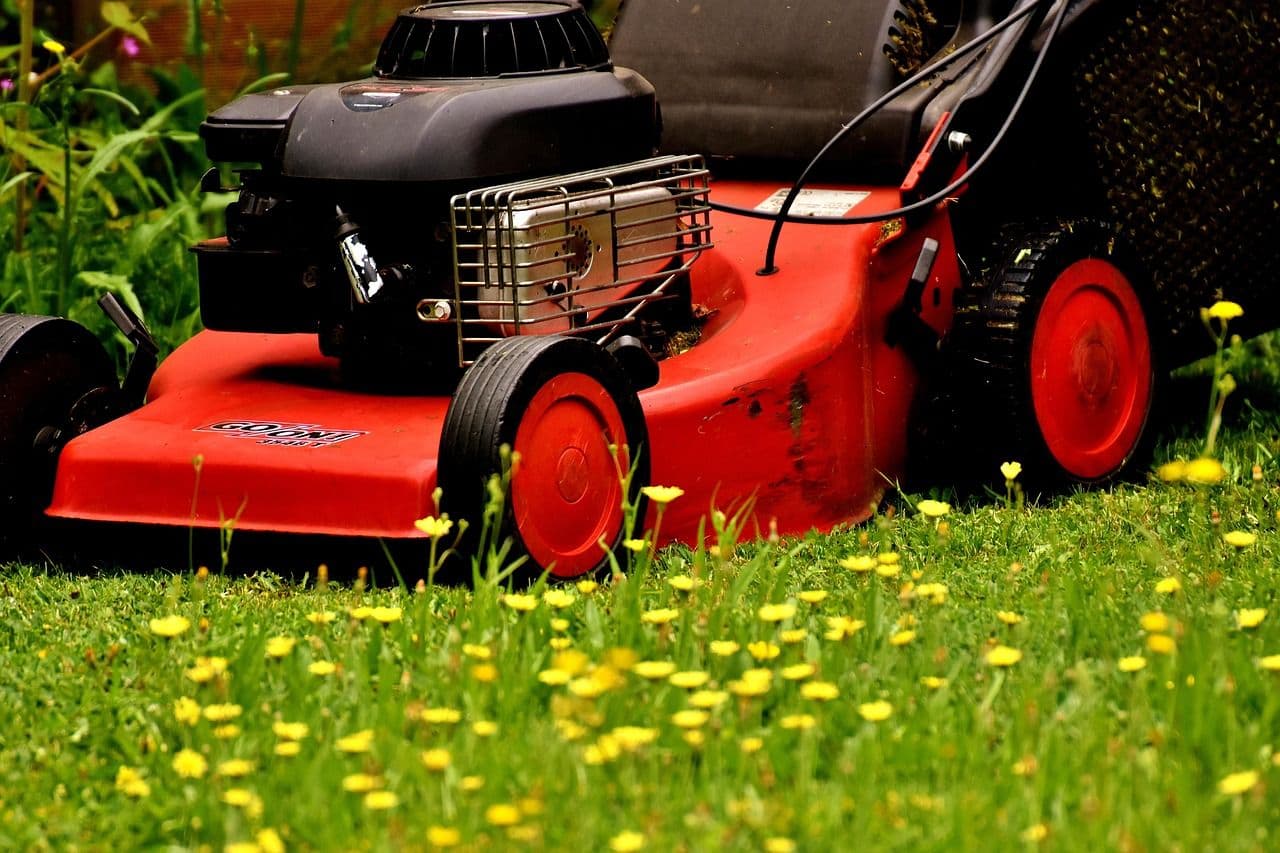
How does a lawn mower work? The engine, blade, deck and drive explained in plain English, plus which mower type suits your yard.
A lawn mower works by spinning a sharp blade (or a set of blades) very fast just above the ground, so it slices grass to an even height as you push or drive it across the lawn. A gas engine or an electric motor turns the blade, a metal or plastic deck surrounds it for safety and airflow, and wheels set the cutting height. The airflow created by the spinning blade then lifts the clippings and sends them into a bag, out a side chute, or back under the deck to be chopped finer for mulching. That is the short answer to how does a lawn mower work, and the details below explain each part.
Understanding the basics helps you choose the right mower, use it safely and fix small problems yourself. This guide covers the main parts, how they work together, what different mowers are best at, and how to tell whether a mower suits your yard.
What Is a Lawn Mower?
A lawn mower is a machine that cuts grass to a uniform height. Most homeowners use a walk behind rotary mower, which has a horizontal blade spinning under a deck, while larger properties often use riding mowers, lawn tractors or zero turn machines. There are also manual reel mowers with a spiral of blades that cut with a scissor action, and robotic mowers that work on their own within a boundary.
Every mower has the same goal: keep grass at a healthy height so it grows thick, crowds out weeds and looks tidy. Cutting grass regularly encourages it to spread sideways rather than grow tall and thin. Mowers differ mainly in their power source (gas, battery, corded electric or human), how they move (push, self propelled or ride on), how wide they cut, and what they do with the clippings.
Modern mowers also include safety systems. A bail lever on the handle stops the blade within seconds when you let go, guards cover the discharge openings, and riding mowers have seat switches that cut the engine if you stand up.
How Does a Lawn Mower Work?
Several main components work together every time you mow.
- Power source: a small gas engine or an electric motor provides the spinning force. Gas mowers burn fuel in a cylinder to turn a crankshaft; battery and corded mowers use an electric motor, often brushless on newer models.
- Blade: on a rotary mower, the blade bolts directly to the crankshaft or motor shaft and spins at roughly 2,500 to 3,600 RPM. Its sharpened edges cut the grass, and the curved "wings" at each end create lift.
- Cutting deck: the housing around the blade protects you from the blade and shapes the airflow so clippings move in the right direction.
- Wheels and height adjustment: levers raise or lower the deck, which sets the cutting height, usually from about 1 to 4 inches.
- Drive system: push mowers rely on you. Self propelled mowers use a belt or transmission to power the front, rear or all wheels. Riding mowers use a transmission, often hydrostatic, to drive the rear wheels.
- Controls: a throttle or speed control, a bail lever (blade brake or motor stop), and on gas mowers a choke and recoil or electric start.
When you start the mower, the engine or motor spins the blade. As you move forward, the blade's edge cuts each grass blade, and its wings create a suction effect that stands the grass up for a cleaner cut. The same airflow carries clippings into a bag, out a side discharge chute, or keeps them circulating under a mulching deck where they are cut several times into small pieces that fall back into the lawn.
Reel mowers work differently. As you push, the wheels turn a cylinder of curved blades that spins past a fixed bottom blade, snipping grass like scissors. This gives a very clean cut on short, fine lawns but struggles with tall grass and twigs.
Robotic mowers combine these ideas with sensors and software. A small electric motor spins lightweight pivoting blades, while a boundary wire or satellite positioning keeps the robot inside the lawn, and it returns to a charging base when the battery runs low.
What Is a Lawn Mower Used For?
So, what is a lawn mower used for? Its main job is regular grass cutting, but the right mower also handles specific yard conditions much better than others. Here is how different situations affect the choice.
Hills & Uneven Terrain
Slopes call for a self propelled mower with rear wheel or all wheel drive, because weight shifts to the back wheels as you go uphill. High rear wheels roll over bumps more easily. Mow across slopes with a walk behind mower, and follow the manufacturer's slope limits on riding mowers.
Large Yards
For half an acre or more, a wider deck or a riding mower saves a lot of time. Lawn tractors and zero turn mowers with 42 to 54 inch decks can finish in an hour what would take several hours on foot. See our guide to the best lawn mower for large yards for specific picks.
Small Yards
Small lawns are well served by compact battery or corded mowers, or even a manual reel mower. They are light, quiet, easy to store and need little maintenance. Our list of the best lawn mower for small yards covers these options.
Tall / Thick Grass
Overgrown grass needs power and the right technique. A gas engine or a high voltage battery mower with side discharge handles it best. Raise the deck to its highest setting for the first pass, then lower it on a second pass a few days later.
Wet Grass
Mowing wet grass is best avoided because clippings clump, the deck clogs and the cut is ragged. If you must mow after rain, use a sharp blade, a higher cutting height, a slower pace and side discharge instead of bagging or mulching. Never use a corded electric mower on wet grass.
Types of Lawn Mowers
- Push rotary mowers: affordable and simple; good for small to medium flat lawns.
- Self propelled mowers: the engine or motor drives the wheels so you only steer; ideal for medium lawns and slopes.
- Battery mowers: quiet, low maintenance and easy to start; runtime depends on battery size.
- Corded electric mowers: light and inexpensive, but the cord limits range.
- Gas mowers: strong power and unlimited runtime with fuel; need regular engine maintenance.
- Reel mowers: human powered, silent and precise on short, fine grass.
- Riding mowers and lawn tractors: for large properties; tractors also tow carts and attachments.
- Zero turn mowers: very maneuverable and fast on large lawns with obstacles.
- Robotic mowers: cut automatically on a schedule, keeping grass short every few days.
If you are budgeting for a new machine, our breakdown of how much does a lawn mower cost shows typical price ranges for each type.
Pros and Cons
Owning a lawn mower has clear benefits and a few tradeoffs.
- Pro: keeps your lawn healthy, thick and tidy on your own schedule.
- Pro: saves money compared with paying a lawn service every week or two.
- Pro: mulching returns nutrients to the soil, reducing the need for fertilizer.
- Con: requires storage space and regular maintenance.
- Con: gas models are loud and produce exhaust; battery models cost more up front.
- Con: mowing takes time and physical effort, especially on large or hilly lawns.
Is a Lawn Mower Right for You?
If you have a lawn of any meaningful size and prefer to maintain it yourself, a mower is almost always worth owning. Match the type to your yard: a battery or reel mower for small lawns, a self propelled gas or battery mower for medium and sloped lawns, and a riding mower for an acre or more.
A lawn service may make more sense if you have very limited storage, physical limitations that make mowing difficult, or a tiny patch of grass that a neighbor or service can cover cheaply. For everyone else, owning a mower gives you control over how and when your lawn is cut. When you are ready to shop, our guide on where to buy a lawn mower compares online stores and local dealers.
Frequently Asked Questions
How often should I sharpen a lawn mower blade?
Sharpen the blade at least once or twice per mowing season, or about every 20 to 25 hours of use. A dull blade tears grass instead of cutting it, leaving brown, frayed tips that invite disease. If you hit rocks or roots, check the blade right away, since nicks and bends also reduce cut quality and can cause vibration.
Is a lawn mower worth buying?
For most homeowners, yes. A good mower pays for itself within a season or two compared with hiring a lawn service, and it lets you cut at the ideal height and frequency for healthy grass. Choosing the right type for your yard size and terrain is the key to getting good value.
How long does a lawn mower last?
A typical walk behind mower lasts around 8 to 10 years with regular maintenance, while riding mowers often last 10 to 15 years. Battery mowers may need a new battery after several seasons. Changing the oil, sharpening the blade, cleaning the deck and storing the mower dry all extend its life.
Final Thoughts
So, how does a lawn mower work? A motor or engine spins a sharp blade inside a deck, the deck height sets the cut, and airflow sends clippings into a bag, out a chute or back into the lawn as mulch. Once you understand these basics, choosing and caring for a mower is much easier. To find the right model for your yard, see our picks for the best lawn mower.


