
How Long Does a Lawn Mower Last? Lifespan, Signs of Wear and Tips (2026)
Disclosure: We may earn a commission when you buy through links on this page, at no extra cost to you. As an Amazon Associate I earn from qualifying purchases. Learn more

How long does a lawn mower last? Typical lifespans for gas, riding and battery mowers, warning signs and easy ways to add years.
A typical walk behind gas lawn mower lasts around 8 to 10 years with regular care, a riding mower or lawn tractor often lasts 10 to 15 years, and a battery mower's deck and motor can go many seasons while its battery usually needs replacing after about 3 to 5 years. Maintenance, storage and how much grass you cut matter more than the badge on the hood. That is the short answer to how long does a lawn mower last.
Those numbers are averages, not promises. Some mowers quit after three summers of neglect, while others keep running for two decades because their owners change the oil, sharpen the blade and store them dry every winter. Below we look at typical lifespans by mower type, the factors that shorten or extend them, the warning signs of a mower on its way out, simple ways to make yours last longer and how to decide between repair and replacement.


How Long Does a Lawn Mower Last on Average?
Lifespan depends heavily on the type of mower and how many hours it runs each year. A suburban homeowner who mows a quarter acre once a week puts far fewer hours on a machine than someone cutting two acres twice a week. Use these ranges as a general guide.
- Gas push and self propelled mowers: usually around 8 to 10 years, or roughly several hundred hours of engine time. Well kept mowers with quality engines often last longer.
- Riding mowers and lawn tractors: commonly 10 to 15 years. Larger engines and heavier frames are built for more hours, though belts, blades, batteries and tires need replacing along the way.
- Zero turn mowers: residential models often reach 10 years or more, while commercial grade machines are built for many more hours.
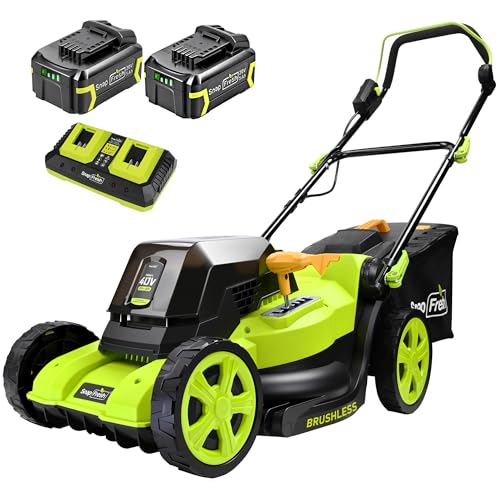
- Battery powered mowers: brushless motors and plastic or steel decks can last many years, but lithium ion batteries gradually lose capacity. Expect to replace a pack after roughly 3 to 5 years of regular use, depending on charge cycles and storage.
- Corded electric mowers: simple motors with few parts, so they often last a long time if the cord and switch are cared for.
- Manual reel mowers: with occasional blade adjustment and sharpening, they can last for decades.
Remember that a mower rarely dies all at once. Usually one part fails, and the decision is whether that repair is worth the cost compared with buying new.
Factors That Affect How Long It Lasts
Maintenance habits. This is the biggest single factor. Engines that get fresh oil, clean air filters and new spark plugs on schedule last far longer than ones that run on old oil and a clogged filter. Sharp blades reduce strain on the engine or motor too.
Build quality. Steel decks, commercial grade engines, ball bearing wheels and solid height adjusters hold up better than thin stamped decks and plastic parts. You often get what you pay for, but even a budget mower can last if it is maintained well.
Usage and yard size. Hours of runtime wear every moving part. A mower cutting a large lawn every week accumulates hours quickly. Using a small push mower on an acre of thick grass shortens its life, while a properly sized machine runs at an easier pace.
Terrain and mowing conditions. Rocky, hilly or root filled yards beat up blades, spindles and wheels. Mowing wet grass clogs the deck and encourages rust. Cutting very tall or thick grass in one pass overloads the engine and belts.
Fuel quality. Ethanol blended gasoline that sits for months can gum up carburetors and damage fuel lines. Using fresh fuel or a stabilizer, and draining or treating the tank before winter, prevents many starting problems.
Storage. A mower kept in a dry garage or shed lasts longer than one left outside under a tarp. Moisture rusts decks and electrical connections, and sunlight cracks plastic and tires. Battery packs should be stored indoors at moderate temperatures.
How it is used. Hitting stumps, rocks and curbs bends blades and crankshafts. Running a gas mower on steep side slopes can starve the engine of oil. Treating the machine gently pays off in extra seasons.
Signs Your Lawn Mower Needs Repair or Replacement
Most mowers warn you before they fail. Watch for these signs.
- Hard starting or no start: often a simple fix like old fuel, a dirty carburetor or a bad spark plug, but repeated trouble can point to deeper engine wear.
- Excess smoke: blue or white smoke can mean the engine is burning oil, which may signal worn rings or valves. Black smoke usually points to a rich fuel mixture or a clogged air filter.
- Loss of power: the engine bogs down in grass it used to cut easily, or a battery mower runs for noticeably less time.
- Heavy vibration: a bent blade or crankshaft causes strong shaking. A bent crankshaft is often expensive enough to justify replacement.
- Leaks: oil or fuel leaking from the engine or tank needs attention right away.
- Rust and cracks in the deck: holes or rust through the deck can make the mower unsafe and are hard to repair well.
- Uneven or ragged cutting: dull blades, worn spindles or a bent deck all leave a poor finish.
If several of these show up at once on an older mower, it is probably time to start shopping.
How to Make Your Lawn Mower Last Longer
A few simple habits add years to any mower, whatever its type or price.
Clean grass from the deck
Wet clippings packed under the deck hold moisture and cause rust, and they also disrupt airflow so the mower cuts and bags poorly. After each mow, once the engine has stopped and cooled, brush or scrape clippings from the deck. Many mowers have a washout port that connects to a garden hose. On gas mowers, remove the spark plug wire before reaching under the deck, and on battery mowers remove the battery first.
Sharpen or replace the blade
A dull blade tears grass instead of cutting it, which makes the engine work harder and leaves brown tips on the lawn. Sharpen the blade at least once a season, more often if you mow sandy soil or hit debris. Check the balance after sharpening, since an unbalanced blade causes vibration that wears bearings. Replace blades that are bent, cracked or worn thin.
Change oil and air filter (gas)
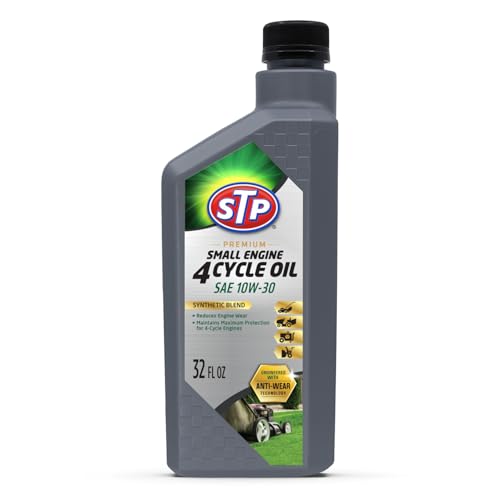
Change the engine oil at the interval in your manual, often once a season or after a set number of hours. Check the oil level before each mow. Clean or replace the air filter regularly, especially in dusty conditions, and replace the spark plug every season or two. Use fresh fuel and add stabilizer before storing the mower for winter.
Battery storage and charging (battery)
Lithium ion batteries last longest when they are kept away from extreme heat and cold. Store packs indoors, not in a freezing shed or a hot car. For long storage, many makers recommend leaving the battery partly charged rather than full or empty. Let a hot battery cool before charging, and use the charger designed for it.
Repair or Replace?
A common rule of thumb is to compare the repair cost with the value of the mower. If a repair costs more than about half the price of a comparable new mower, replacement usually makes more sense, especially for an older machine.
Simple repairs like a new blade, spark plug, air filter, belt, battery or carburetor cleaning are almost always worth doing. Major engine failures, a bent crankshaft or a rusted through deck on an old push mower usually are not. Riding mowers are a different story, since their high purchase price makes bigger repairs like a new engine or transmission worthwhile more often. Our guide on how much does a lawn mower cost helps you compare repair quotes with new prices.
Think about your needs as well as the numbers. If your yard has grown, your old mower has become hard to start or push, or you want to switch from gas to battery power for less noise and upkeep, an aging machine may simply no longer be the right tool. In that case, putting money into a big repair rarely pays off, and a newer mower with features that fit your lawn is the better long term buy.
Frequently Asked Questions
How long does a self propelled lawn mower last?
So, how long does a self propelled lawn mower last? Usually about as long as a push mower, around 8 to 10 years for gas models with good care. The drive system adds wear points, such as the belt, cable and transmission, which may need repair along the way. Battery self propelled models depend on battery health, which typically lasts 3 to 5 years.
Is it worth repairing an old lawn mower?
It depends on the problem and the mower's value. Cheap fixes like blades, spark plugs, filters, belts and carburetor cleaning are almost always worth it. If the repair costs more than half the price of a comparable new mower, or the engine or deck is badly worn, replacing it is usually the smarter choice.
What brand of lawn mower lasts the longest?
No brand guarantees a long life on its own. Longevity comes mainly from build quality, engine design and maintenance. Look for steel or heavy duty decks, well regarded engines or brushless motors, a solid warranty and good parts availability. A well maintained midrange mower often outlasts a neglected premium one.
Final Thoughts
So, how long does a lawn mower last? Around 8 to 10 years for a typical gas walk behind mower, 10 to 15 years for many riding mowers and several seasons for battery models, with packs replaced every few years. Regular cleaning, sharp blades, fresh oil and dry storage add years to any machine. When it is time to replace yours, start with our picks for the best lawn mower, then narrow it down with the best lawn mower for small yards or the best lawn mower for large yards. Our guide on where to buy a lawn mower helps you compare stores.


