
How Does a Snow Blower Work: A Complete Guide for 2026
Disclosure: We may earn a commission when you buy through links on this page, at no extra cost to you. As an Amazon Associate I earn from qualifying purchases. Learn more

How does a snow blower work? A plain English look at the auger, impeller, chute and drive, plus types and common uses.
A snow blower works by using a spinning auger at the front of the machine to break up snow and pull it into a housing, then forcing that snow up and out through a discharge chute. Single stage models use the auger alone to scoop and throw snow, while two stage models add a fast spinning impeller behind the auger that blasts snow much farther. That is the short answer to how does a snow blower work, whether the machine runs on gas, a battery or a power cord.
Knowing how the parts fit together helps you pick the right machine, use it more effectively and spot problems before they turn into repairs. Below, we explain what a snow blower is, how its main components work together, what it is used for on different properties, the main types, the pros and cons of owning one and how to tell whether a snow blower is right for your home.
What Is a Snow Blower?
A snow blower, also called a snow thrower, is a walk behind machine that removes snow from driveways, sidewalks, decks and paths by throwing it to the side instead of pushing it like a plow or lifting it like a shovel. You guide it from behind with a handle that carries the controls, and the machine does the heavy work of moving the snow.
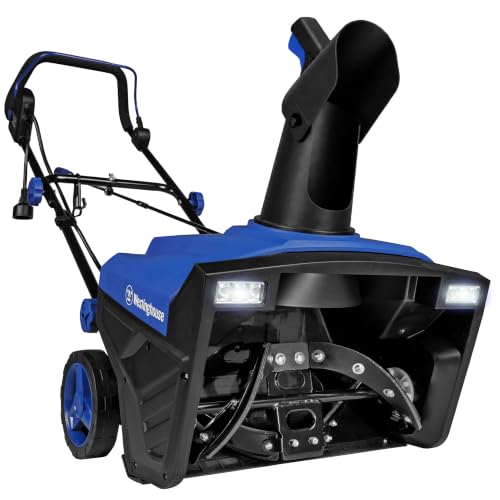
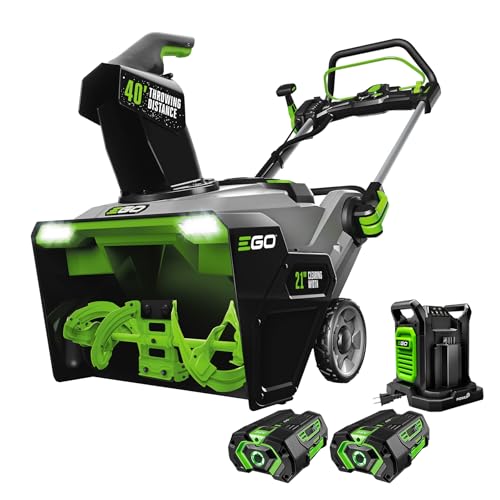
Snow blowers come in a wide range of sizes. Small cordless snow shovels clear a path about 12 to 13 inches wide and are meant for steps and short walkways. Compact single stage machines clear about 18 to 22 inches at a time and handle most suburban driveways. Large two stage machines clear 24 to 32 inches and can handle deep drifts and the heavy, icy ridge a city plow leaves at the end of the driveway.
Power comes from one of three sources: a gasoline engine, a rechargeable battery pack or a corded electric motor. The power source changes how the machine starts, how long it runs and how much maintenance it needs, but the basic way it moves snow stays the same.
How Does a Snow Blower Work?
Every snow blower relies on the same handful of components working together. Here is how they connect, step by step.
The power unit. A gas engine, battery motor or corded motor sits at the heart of the machine. It turns a drive belt or gearbox that spins the auger, and on two stage machines it also spins the impeller and drives the wheels or tracks.
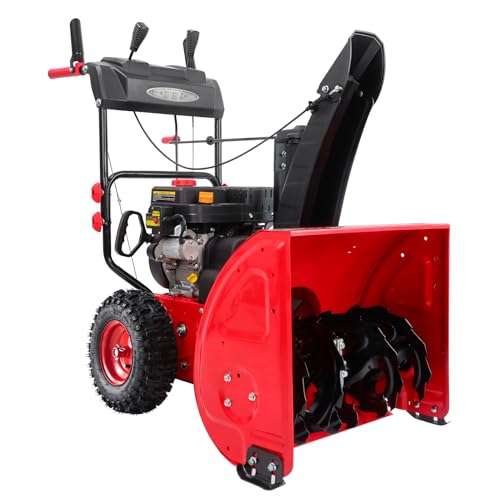
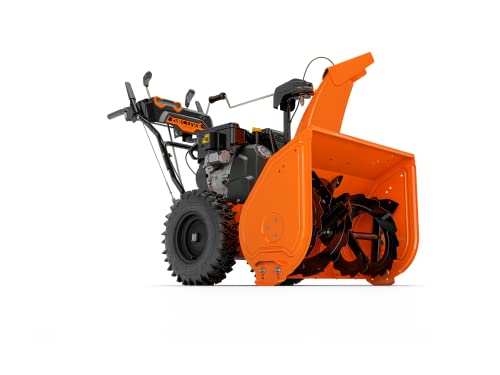
The housing and auger. The housing is the open box at the front. Inside it, the auger is a spiral shaped set of paddles or steel blades on a horizontal shaft. As the auger spins, it cuts into the snow, breaks it up and moves it toward the center of the housing.
The impeller (two stage only). On two stage machines, the auger turns more slowly and feeds snow into a fan shaped impeller at the back of the housing. The impeller spins at high speed and throws the snow up the chute with much more force. This is why two stage machines can throw snow 40 to 50 feet or more.
The discharge chute and deflector. The chute directs the snow as it leaves the machine. You can rotate it left or right and tilt the deflector at the top to change how high and how far the snow goes. Some machines use a crank, others a lever or joystick on the handle.
The drive system. Single stage machines are usually pushed by hand, with the auger touching the pavement to give a gentle forward pull. Two stage machines are typically self propelled, with powered wheels or tracks and several forward and reverse speeds. Scraper bars and skid shoes on the bottom of the housing control how close it runs to the ground.
If you have ever asked how does a snow blower work in everyday use, the process is simple. The auger gathers snow, the impeller or the auger throws it, and the chute aims it where you want it, all while you walk the machine forward in steady passes.
A few safety parts round out the design. The bail, a lever you squeeze against the handle, must be held for the auger to spin, so the machine stops as soon as you let go. Shear pins connect the auger to its shaft and are designed to snap if the auger hits something solid, such as a newspaper or a chunk of ice, protecting the gearbox from damage. Most machines also include a clean out tool, a plastic stick for clearing a clogged chute. Never use your hands, even with the engine off, because stored tension in the auger can release suddenly.
What Is a Snow Blower Used For?
So, what is a snow blower used for? Most people use one to clear driveways, sidewalks and walkways after a snowfall, but the right machine depends a lot on the shape and size of your property.
Hills & Uneven Terrain
Slopes, gravel driveways and uneven ground call for a machine with good traction and control. Two stage models with large snow tires or rubber tracks grip better on inclines and icy patches. Adjustable skid shoes keep the housing above gravel so the auger does not throw stones. Single stage machines are best kept to flat, paved surfaces.
Large Yards
Long driveways, wide parking pads and rural lanes need width and throwing power. A 24 to 28 inch two stage machine moves far more snow per pass and throws it well clear of the area, so you are not moving the same snow twice. Self propelled drive is almost essential here, since you will be walking a long way.
Small Yards
Townhomes, short driveways and walkways do well with compact single stage machines or cordless snow shovels. They are light, easy to store and quick to start, and they clear a typical overnight snowfall in minutes. Our list of the best snow blower for seniors highlights several light, easy handling options for smaller spaces.
Types of Snow Blowers
Single stage machines use one auger to collect and throw snow. They are lighter, cheaper and best for paved surfaces and snowfalls up to around 8 to 10 inches.
Two stage machines add an impeller, which throws snow farther and handles deep, wet and packed snow. They are self propelled and suit long driveways and harsh winters.
Three stage machines add an accelerator in front of the impeller to chew through icy plow ridges even faster. They are the heaviest and most expensive.
Cordless snow shovels are the smallest type, essentially a powered shovel for steps, decks and narrow paths.
Across these types, you will also choose a power source. Gas offers unlimited runtime and the most muscle, battery offers quiet operation and push button starts, and corded electric offers the lowest price and lightest weight for small areas near an outlet. To compare current models across all three, see our guide to the best snow blower options.
Pros and Cons
The biggest advantage is time and effort. A snow blower turns an hour of shoveling into a short job, and it spares your back and heart from repeated heavy lifting in the cold. It also throws snow far enough that banks do not pile up along the edges of the driveway, which keeps later storms easier to manage.
The downsides are cost, storage space and maintenance. Gas models need fuel and seasonal care, battery models need charged packs and corded models need an outlet. Large two stage machines are heavy and take up garage space, and any snow blower can throw stones or ice chunks if used carelessly on gravel.
Is a Snow Blower Right for You?
A snow blower makes sense if you get regular snowfall, have a driveway longer than a car length or two, or find shoveling physically hard. It is especially valuable for older homeowners and anyone with back or heart concerns. If you only see a light dusting a few times each winter, a good shovel or a cordless snow shovel may be enough.
Think about your typical snowfall, the length and surface of your driveway, and where you will store the machine. Those three factors point you to the right type and size. Larger families can compare well rounded options in our guide to the best snow blower for homeowners, and our guide on where to buy a snow blower explains when and where to shop.
Frequently Asked Questions
What is a snow blower used for?
A snow blower is used to clear snow from driveways, sidewalks, walkways, patios and decks. It gathers snow with a spinning auger and throws it to the side through a chute, which is much faster and easier on the body than shoveling. Larger models also handle the heavy, icy pile a plow leaves at the end of the driveway.
Is a snow blower worth buying?
For most homes that see regular snow, yes. It saves time, reduces strain and helps keep driveways clear before snow gets packed into ice. If your winters are mild or your paved area is tiny, a shovel may be enough. Our breakdown of is a snow blower worth it covers the costs and benefits in detail.
How long does a snow blower last?
Most snow blowers last around 10 years with regular care, and well built two stage gas machines can go longer. Electric models have fewer wearing parts, but batteries may need replacing after several seasons. Using fresh fuel, replacing worn shear pins and paddles and storing the machine dry all extend its life.
Final Thoughts
Now you know how does a snow blower work: an auger gathers snow, an impeller or the auger itself throws it, and the chute aims it away from your path. Pick the type and power source that match your snowfall and driveway, then compare our picks for the best snow blower to find the right machine before winter arrives.


