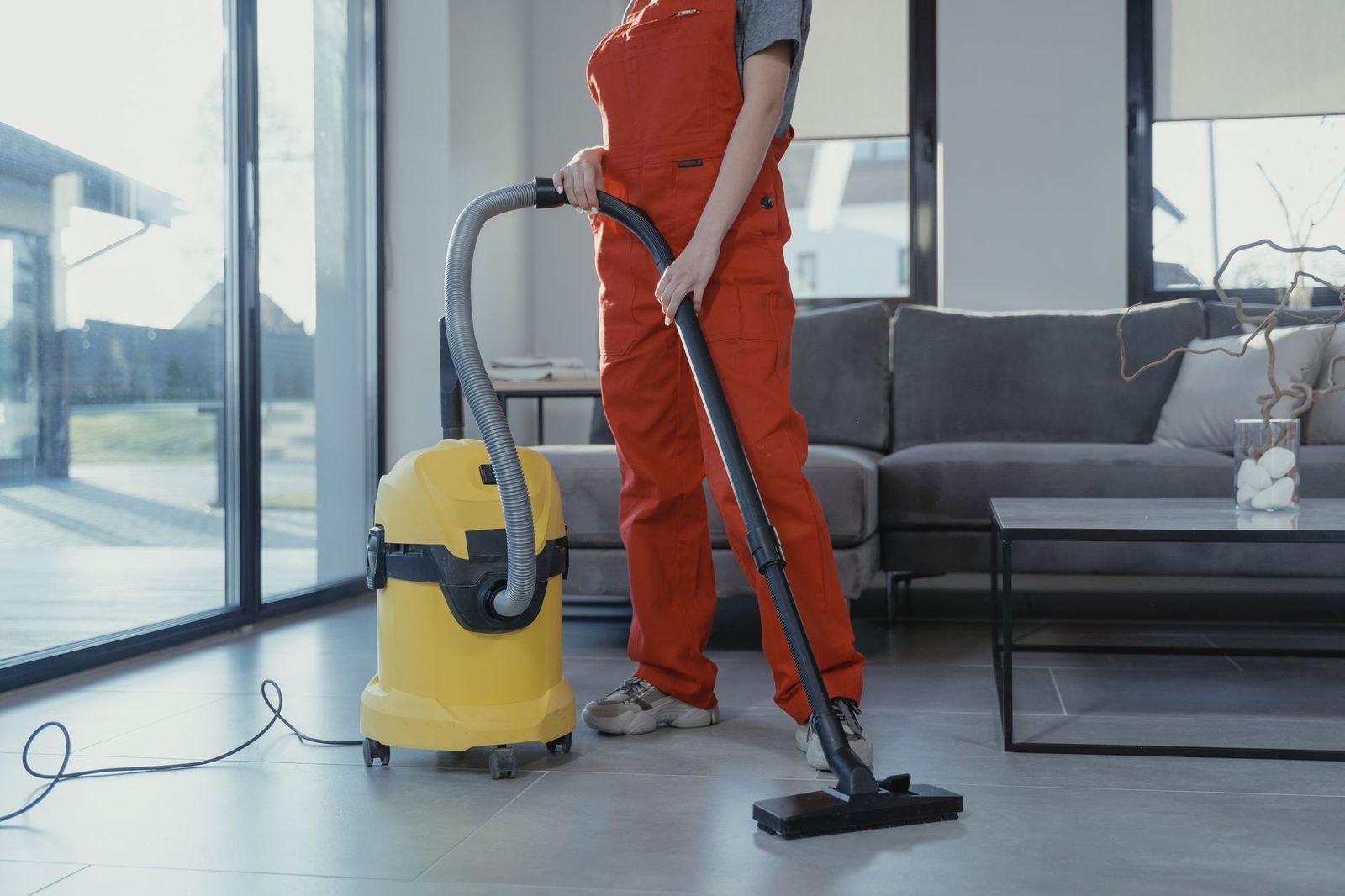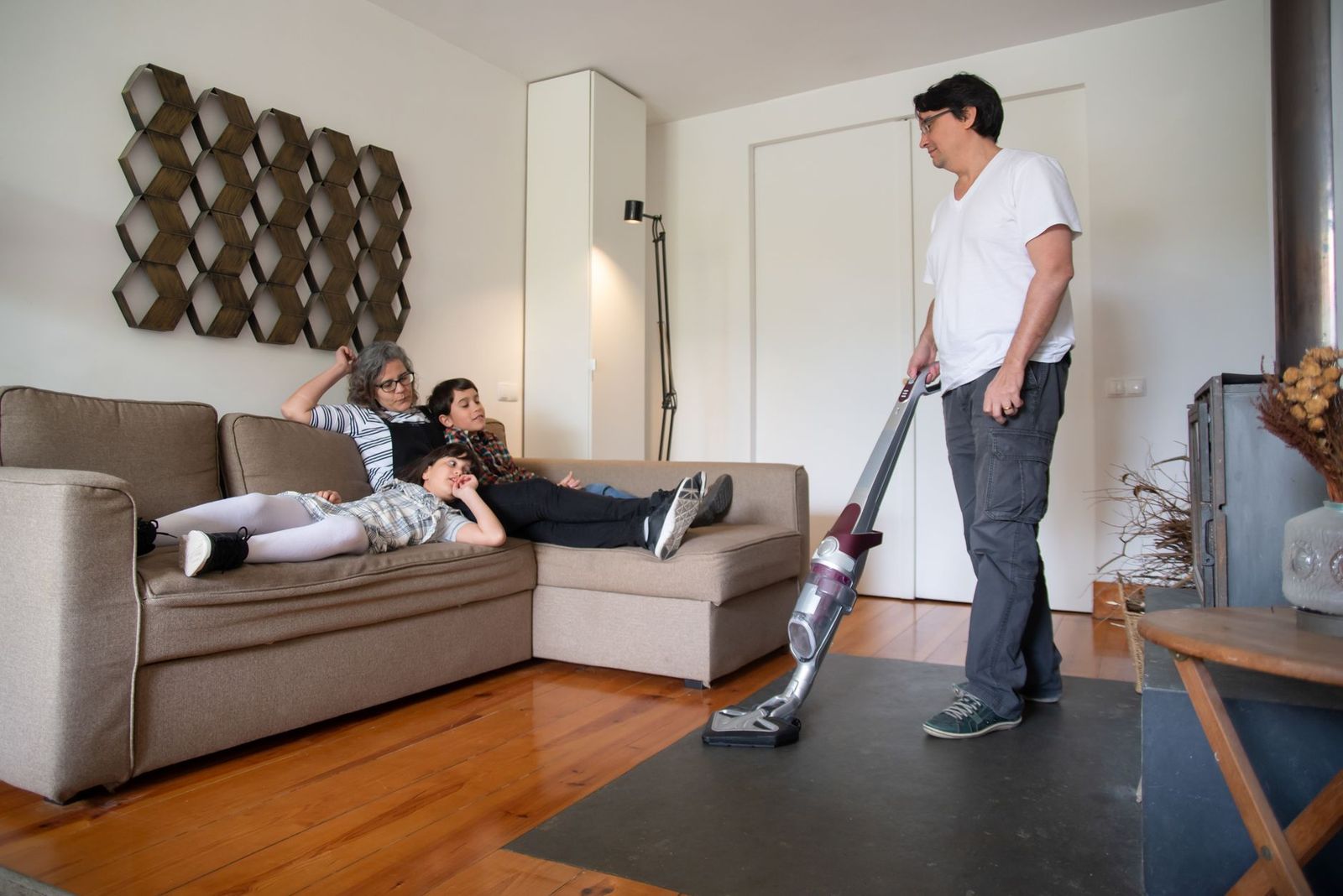
How Does a Vacuum Cleaner Work: A Complete Guide for 2026
Disclosure: We may earn a commission when you buy through links on this page, at no extra cost to you. As an Amazon Associate I earn from qualifying purchases. Learn more

How does a vacuum cleaner work? See how the motor, fan, brush roll and filters create suction, plus vacuum types, uses, pros and cons.
A vacuum cleaner works by using an electric motor to spin a fan that pushes air out of the machine, which lowers the air pressure inside. Outside air rushes in through the floor head to fill that low pressure zone, carrying dust and debris with it, and a bag or bin plus filters trap the dirt before the clean air leaves through the exhaust. That is how does a vacuum cleaner work in a few sentences, and this guide unpacks each part in plain English.
Below you will find what a vacuum cleaner is, how the motor, brush roll and filters work together, what vacuums are used for, the main types, their pros and cons and how to tell which style fits your home.


What Is a Vacuum Cleaner?
A vacuum cleaner is a household appliance that removes dust, dirt, hair and crumbs from floors, rugs and furniture using suction. Instead of pushing dirt around like a broom, it lifts debris off the surface and stores it in a sealed bag or a bagless bin, so the dust does not end up back in the air.
Every vacuum, from a tiny handheld to a whole house system, has the same core parts: a motor, a fan, an intake where air and dirt enter, a place to collect the debris, filters and an exhaust. Most floor vacuums add a motorized brush roll that agitates carpet fibers, along with attachments such as a crevice tool, dusting brush and upholstery tool.
Power sources vary. Corded vacuums plug into the wall and run as long as you need. Cordless vacuums use rechargeable lithium batteries, which makes them lighter and easier to grab for quick jobs, though runtime is limited. Robot vacuums take that further and clean on a schedule while you are away.
How Does a Vacuum Cleaner Work?
Suction is really a pressure difference. Here is how the main parts create it and use it.
- Motor and fan. The electric motor spins a fan at very high speed. The fan blades throw air toward the exhaust, which creates a partial vacuum, or area of low pressure, inside the machine.
- Intake and floor head. Higher pressure air outside rushes in through the floor head or hose to balance the pressure. That moving air stream is what you feel as suction power.
- Brush roll. On carpet, a rotating brush roll loosens dirt and hair trapped deep in the fibers so the airflow can carry it away. Many models let you switch the brush off for hard floors.
- Collection. Air and debris flow into a bag or a bagless dust bin. Bagless designs often use cyclonic action, spinning the air so heavy dirt falls out of the stream.
- Filters. One or more filters catch fine dust before the air reaches the motor and before it leaves the machine. HEPA filtration traps very fine particles such as pollen and pet dander.
- Exhaust. Clean air exits through vents, completing the loop.
Vacuum makers describe this performance in different ways. Corded models often list motor wattage or amps, while cordless and robot vacuums usually quote suction in pascals or air watts. These figures are not always comparable between brands, so real world design, such as a well sealed body and a good brush roll, matters as much as the number on the box.
Two things decide how well a vacuum cleans: airflow and sealing. A powerful motor helps, but leaks around the hose, a full bag or a clogged filter cut airflow quickly. That is why emptying the bin, washing or replacing filters and clearing hair from the brush roll make such a difference to performance. Dust capacity also matters, since a small bin fills fast in homes with pets.
What Is a Vacuum Cleaner Used For?
If you are asking what is a vacuum cleaner used for, the short answer is cleaning almost any surface in the home. Here are the most common uses.
Allergies & Dust
Regular vacuuming removes dust, pollen, dander and dust mite debris from floors and fabrics. A sealed system with HEPA filtration keeps those particles inside the machine instead of blowing them back into the room, which helps allergy sufferers.
Area Rugs
Rugs trap grit that wears down fibers. A vacuum with an adjustable brush roll cleans low pile rugs thoroughly, while delicate or fringed rugs do better with the brush turned off or a suction only tool.
Basements
Basements collect dust, cobwebs and debris from storage boxes. A canister or corded upright with a long hose handles stairs and corners, and a wet dry shop vac is better for spills or damp floors.
Boats & RVs
Small spaces call for compact tools. Handheld and cordless stick vacuums clean cabins, upholstery and carpet runners without needing a power outlet.
Carpet
Carpet is where a vacuum earns its keep. A motorized brush roll and strong airflow lift embedded dirt and pet hair, and regular passes help carpet last longer and look newer.
Types of Vacuum Cleaners
Each type uses the same basic principle in a different package.
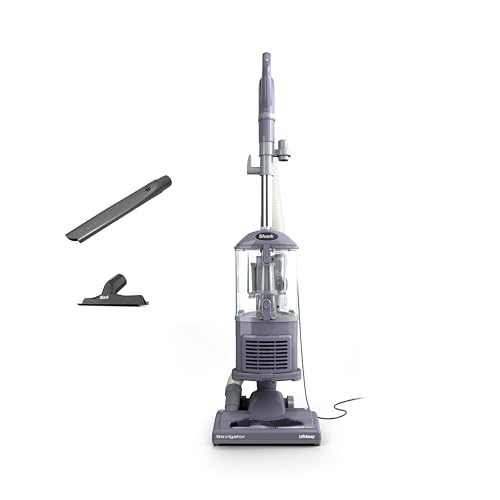
- Upright vacuums. The motor, brush roll and bag or bin sit in one tall unit you push in front of you. So how does an upright vacuum work? The motor sits just above the floor head, giving strong airflow straight into the brush roll, which makes uprights excellent on carpet.
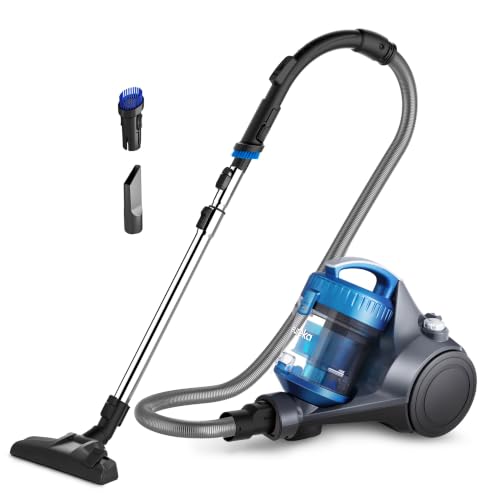
- Canister vacuums. A separate body on wheels connects to a wand and floor head by a hose. They are easy on stairs and under furniture.
- Stick and cordless vacuums. Light, battery powered and often convertible to a handheld. Ideal for quick daily cleanups.
- Handheld vacuums. Small units for cars, crumbs and furniture.
- Robot vacuums. Automated cleaners that navigate rooms on their own.
- Backpack vacuums. Worn on the back, mainly in commercial cleaning, with a long hose for wide reach.
Weight is another dividing line. So how does a lightweight vacuum work without losing much cleaning ability? Most use a compact motor, a smaller bin and plastic housings, and many run on batteries. They trade some airflow and capacity for easy carrying, which makes them a smart pick for apartments, stairs and anyone who finds a full size upright tiring to push.
Central vacuum systems are a final option. The motor and collection canister live in a garage or basement, and you plug a long hose into wall inlets around the house. They are powerful and quiet in the living space, but they cost more and need installation.
Pros and Cons
Vacuums are essential for most homes, but every type has trade offs.
Pros
- Removes dirt and allergens instead of spreading them around
- Cleans carpet, hard floors, stairs and upholstery with one tool
- HEPA models improve indoor air quality for allergy sufferers
- Cordless and robot models make daily cleaning easy
Cons
- Bags, filters and brush rolls need ongoing maintenance
- Cordless runtime is limited
- Powerful uprights can be heavy and loud
- Cheap models may leak fine dust through poor seals
Is a Vacuum Cleaner Right for You?
Almost every home benefits from a vacuum, so the real question is which type. Homes with lots of carpet do best with an upright or a powerful canister. Mostly hard floors and small spaces suit a cordless stick, and busy households often pair one main vacuum with a robot for daily upkeep.
Think about who does the cleaning and how often. A heavy upright may clean deeply, but if it stays in the closet because it is a chore to carry upstairs, a lighter cordless model that gets used every day may keep the home cleaner overall. Storage space, noise and the cost of bags or replacement filters are worth weighing too.
Pets and allergies point toward strong suction, tangle resistant brush rolls and HEPA filtration. Our guides to the best vacuum cleaner for pet hair and the best vacuum cleaner for hardwood floors narrow down the options, and how much does a vacuum cleaner cost explains typical budgets.
Frequently Asked Questions
What is a vacuum cleaner used for?
A vacuum cleaner is used to remove dust, dirt, hair, crumbs and allergens from carpets, rugs, hard floors, stairs, upholstery and cars. With attachments it also cleans curtains, vents, baseboards and tight corners. Wet dry models can pick up liquid spills, while standard household vacuums should only be used on dry debris.
How does a backpack vacuum work?
Here is how does a backpack vacuum work: the motor, filters and collection bag sit in a unit strapped to your back, and a long hose with a wand does the cleaning. The motor creates suction exactly like an upright or canister, but carrying it frees you to move quickly through offices, stairs and tight spaces.
How does a bagged vacuum work?
Wondering how does a bagged vacuum work? Air and debris pass into a disposable bag made of porous material. The bag lets air through while trapping dirt, acting as a large first stage filter. When it fills, you throw it away sealed, which keeps dust contained and makes bagged models popular with allergy sufferers.
How does a HEPA filter vacuum work?
So how does a HEPA filter vacuum work? It forces exhaust air through a dense pleated filter that captures very fine particles such as pollen, dander and dust. For real benefit, the whole machine must be sealed, so air cannot leak around the filter. That combination keeps allergens from returning to the room.
Is a vacuum cleaner worth buying?
Yes. A vacuum cleaner is worth buying for nearly every home because it removes dirt and allergens that brooms and mops leave behind. Even an affordable model cleans carpet far better than any manual tool, and a good one can last many years with basic care such as emptying the bin and cleaning filters.
Final Thoughts
Understanding how does a vacuum cleaner work makes it easier to choose and care for one: a motor and fan create low pressure, airflow carries dirt into a bag or bin, and filters clean the air before it leaves. Keep filters clean and bins empty for steady suction. See our picks for the best vacuum cleaner, or learn where to buy a vacuum cleaner for the best deals.