
How Long Does a Cordless Hedge Trimmer Last? How to Make It Last Longer
Disclosure: We may earn a commission when you buy through links on this page, at no extra cost to you. As an Amazon Associate I earn from qualifying purchases. Learn more

How long does a cordless hedge trimmer last? Usually many seasons: the battery wears first, while clean, sharp blades keep the tool going.
A well made cordless hedge trimmer used on a typical home garden usually lasts many seasons, and the tool body can keep going for years beyond its first battery with good care. The battery is usually the first part to wear out, often after a few years of regular charging, while the motor and blades last as long as they are cleaned, sharpened and stored properly. So how long does a cordless hedge trimmer last? It depends far more on how you treat it than on the date you bought it.
This guide explains what a realistic lifespan looks like, the factors that shorten or extend it, the warning signs that a repair or replacement is due, and simple habits that help a battery hedge trimmer stay sharp and strong for many seasons.

Average Lifespan of a Cordless Hedge Trimmer
There is no single official figure, because use varies enormously. A homeowner who trims a short boxwood border twice a year puts far less wear on a tool than a landscaper running it daily. For residential use, a quality battery hedge trimmer often serves for many seasons, and owners can stretch that further by replacing batteries and blades as they wear rather than replacing the whole tool. Budget models with brushed motors and thinner blades may wear out sooner.
It helps to think of the trimmer as three parts with different lifespans:
- The battery pack: lithium ion batteries slowly lose capacity with every charge cycle and with age. Runtime typically shrinks gradually, and the pack is usually the first part to replace.
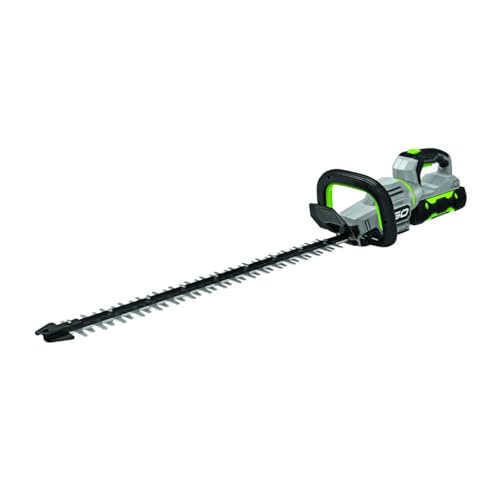
- The motor: brushless motors have no brushes to wear and tend to run cooler, which helps them last. EGO, for example, says the brushless motor on its HT2601 supports extended tool life.
- The blades: blades dull with use and can be sharpened several times before they need replacing. Some brands back blade components with long warranties; EGO lists a lifetime warranty on the carbon fiber rail of the HT2601.
Warranty terms are a useful clue to how long a maker expects its tool and battery to last, so check them before you buy.
Compared with gas hedge trimmers, battery models have far fewer wear parts. There is no carburetor to gum up, no spark plug or air filter to replace and no fuel to go stale over winter, which removes some of the most common reasons older gas tools stop starting. The tradeoff is the battery, a consumable part that will eventually need replacing, so long term ownership cost depends heavily on battery prices for your platform.
Factors That Affect How Long It Lasts
Frequency and intensity of use. Light, regular trims are easy on a hedge trimmer. Cutting overgrown hedges with thick, woody stems pushes the motor and blades hard, and doing it often shortens their life.
Cutting capacity. Every trimmer has a rated cutting capacity, the thickest branch its blades can handle. Forcing the blades through thicker wood strains the motor, chips teeth and can bend the blade bar.
Battery habits. Heat is the enemy of lithium ion cells. Charging a hot battery, leaving it in a sunny shed or car, or storing it in freezing conditions all speed up capacity loss. Following the maker's storage advice on charge level matters too.
Blade care. Sap and plant residue build up on the blades and cause friction, rust and sticking. Blades that are never cleaned or lubricated wear faster and make the motor work harder.
Storage conditions. Damp storage leads to rust and corrosion on the blades, screws and battery contacts. A dry, indoor spot protects both the tool and the battery.
Build quality. Higher voltage platforms, brushless motors and hardened steel blades generally hold up better than entry level designs. Blade length matters too; a blade that suits your hedges avoids constant overreaching and overloading.
Weather exposure. Cordless tools are not designed to be used in rain or left outdoors. Moisture in the motor housing or battery port can cause corrosion and electrical faults, so trim in dry conditions and wipe the tool down if it gets damp from wet foliage.
Drops and rough handling. A trimmer dropped from a ladder or tossed into a truck bed can crack its housing, bend the blade bar or damage the battery latch. Carrying it with the blade cover on and hanging it up for storage prevents most accidental damage.
Signs Your Cordless Hedge Trimmer Needs Repair or Replacement
Watch for these warning signs:
- Much shorter runtime. If a fully charged battery now gives a fraction of its original trimming time, the pack is wearing out.
- Battery will not charge or shows a fault light. Try the charger with another battery to narrow down the problem.
- Swollen, cracked or very hot battery. Stop using it right away and recycle it at an appropriate drop off point.
- Tearing instead of cutting. Ragged, crushed stems mean the blades are dull, bent or misaligned.
- Excessive vibration or new noises. Loose bolts, a bent blade or worn gears can cause rattling or grinding.
- Stalling on normal growth. If the trimmer bogs down on branches it once cut easily, the blades may be gummed up or the motor may be failing.
- Burning smell or smoke. Switch off, remove the battery and have the tool checked before using it again.
How to Make Your Cordless Hedge Trimmer Last Longer
Clean after every use
Remove the battery, then brush clippings and sap off both sides of the blades with a stiff brush. Wipe the blades and housing with a cloth, keep the motor vents clear of debris and apply a light coat of blade lubricant or the oil the maker recommends. Fit the blade cover before storing.
Inspect the blades
Before each session, look along the blade bar for bends, chipped teeth and loose bolts, and check that the blade guard is secure. Small problems found early are cheap to fix; a bent bar run at full speed can damage the gearbox.
Sharpen or replace the blades
Dull blades crush stems and make the motor work harder. Sharpen them with a flat file or sharpening tool following the original bevel angle, or have a service shop do it. When teeth are badly chipped or the bar is bent, fit a replacement blade from the manufacturer.
Battery care and storage
Charge the battery indoors at room temperature and let it cool after use before recharging. Store it separately from the tool in a dry place away from heat and frost, at the charge level your manual recommends for long term storage. Keep the contacts clean, and use only the charger designed for your battery platform.
Repair or Replace?
Repair makes sense when the problem is a worn battery, dull or damaged blades, or loose hardware, since these parts are usually available and much cheaper than a new tool. If you own other tools on the same battery platform, a fresh pack revives the trimmer and the rest of your kit at once.
Replacement makes more sense when the motor fails outside the warranty, the gearbox is damaged, the housing is cracked or parts are no longer sold. It is also worth upgrading if your hedges have outgrown the tool, for example if you now need a longer blade or more cutting capacity. Compare costs in our guide on how much does a hedge trimmer cost before deciding.
Frequently Asked Questions
Is it worth repairing an old cordless hedge trimmer?
Often, yes. A new battery or replacement blade can restore an older trimmer for far less than a new one, especially if the motor still runs smoothly. Repairs are less worthwhile when the motor or gearbox has failed, parts are discontinued or the repair cost approaches the price of a new model with a fresh warranty.
What brand of cordless hedge trimmer lasts the longest?
No independent study names a single longest lasting brand, so judge by build quality and support. Look for brushless motors, sturdy steel blades, long warranties and a battery platform with easy access to replacement packs. Established brands such as EGO, DeWalt, Greenworks and BLACK+DECKER sell replacement batteries and blades widely. See our best cordless hedge trimmer picks for models.
Final Thoughts: How Long Does a Cordless Hedge Trimmer Last?
So, how long does a cordless hedge trimmer last? Usually many seasons, with the battery wearing out first and the tool body lasting longer when you clean, sharpen and store it properly. Treat it well and replace parts as needed, and it will keep your hedges crisp for years. When it is time for a new one, see our picks for the best hedge trimmer and our guide on where to buy a hedge trimmer.


