
How Long Does a Snow Blower Last? Lifespan, Signs of Wear and Tips (2026)
Disclosure: We may earn a commission when you buy through links on this page, at no extra cost to you. As an Amazon Associate I earn from qualifying purchases. Learn more
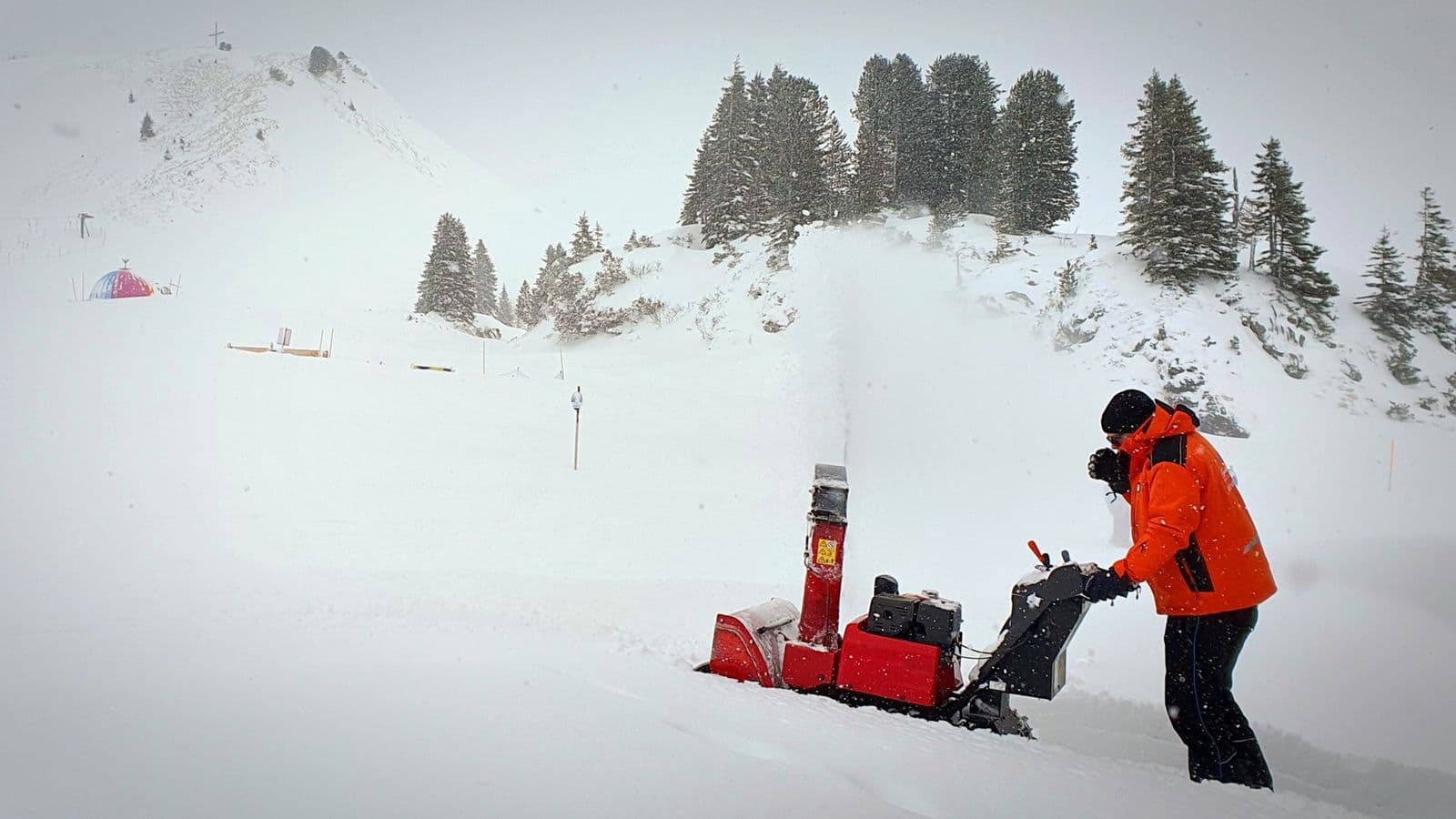
How long does a snow blower last? Typical lifespans by type, the habits that shorten or extend them, and when to repair or replace.
A well maintained snow blower typically lasts about 10 to 15 years, and a quality two stage gas model can go even longer with good care. Single stage and electric models often run around 5 to 10 years, while battery machines usually outlast their first set of batteries. How you use, clean and store the machine matters as much as the brand on the hood.
So how long does a snow blower last in your garage? The answer depends on the type of machine, how much snow you clear, the surfaces you work on and how seriously you take the end of season routine. Below we cover typical lifespans by type, what wears a snow blower out early, the warning signs to watch for, and simple habits that add years to its life.
How Long Does a Snow Blower Last? Average Lifespan
There is no single number, because a snow blower is really a set of parts that wear at different rates. As a rough guide based on maker warranties and long term owner experience, these ranges are a reasonable starting point:
- Two stage gas snow blowers: about 10 to 15 years or more with regular service. Their steel augers, separate impellers and heavier frames are built for years of deep snow.
- Single stage gas snow blowers: about 5 to 10 years. The rubber paddles that touch the pavement wear faster, but they are cheap to replace.
- Corded electric snow throwers: about 5 to 10 years. Simple motors with few wear parts, though plastic housings can crack with age.
- Battery snow blowers: the machine can last many seasons, but lithium ion batteries usually lose noticeable capacity after several winters and may need replacing first.
Warranties hint at what makers expect. Many premium two stage models carry multi year residential coverage, and some brands add separate, longer engine warranties. Budget models often come with shorter coverage, which is one reason they tend to wear out sooner.
Use matters just as much as type. A machine that clears a short driveway a few times each winter lives an easy life. The same model clearing a long, steep drive after every storm in a snow belt town works many times harder, and it will need parts and service much sooner.
It also helps to think in hours rather than years. A homeowner might run a snow blower for only a few dozen hours in a typical winter, far less than a lawn mower sees in summer. That low yearly use is why a sturdy machine can keep going for so long, as long as it is not left to rust or sit with stale fuel between seasons.
Factors That Affect How Long It Lasts
Several factors decide whether your machine reaches the high end of its range or quits early.
Build quality. Steel augers, cast iron gearboxes, heavy gauge housings and quality engines last longer than plastic parts and light frames. Two stage machines are built tougher because they handle heavier loads.
Workload. The size of your driveway, how often it snows and how deep the snow gets all add hours. Wet, heavy snow and the dense pile at the end of the drive left by the city plow put the most strain on belts, shear pins and engines.
Surface. Gravel driveways are hard on any machine. Single stage blowers can pick up stones that damage paddles and chutes, and even two stage models need their skid shoes set high to avoid throwing rocks.
Fuel care. Old gasoline is one of the most common causes of hard starting and carburetor problems. Fuel left in the tank over summer can gum up the system.
Storage. Salt, slush and moisture cause rust and corrosion. A machine stored wet in an unheated shed ages faster than one cleaned off and kept in a dry garage.
Maintenance habits. Regular oil changes, fresh spark plugs, belt checks and lubrication of moving parts are the difference between a machine that lasts a decade and one that struggles after a few winters.
Operator technique. Forcing the machine through deep snow at full speed, hitting hidden objects or running it with a clogged chute strains belts and shear pins. Slowing down in heavy snow and taking narrower passes protects the drivetrain.
Signs Your Snow Blower Needs Repair or Replacement
Snow blowers usually give plenty of warning before they fail. Watch for these signs:
- Hard starting: needing many pulls, or the electric start cranking without firing, often points to fuel or spark plug problems.
- Rough running or stalling: surging, sputtering or dying under load can mean a dirty carburetor or stale fuel.
- Weak throwing: snow dribbling out of the chute instead of flying can signal worn paddles, a slipping belt or a worn impeller.
- Auger stops while the engine runs: a broken shear pin or worn belt is the usual cause.
- Drive problems: slipping, poor traction or no movement on a self propelled model can mean worn drive belts or a friction wheel issue.
- Excess smoke or oil leaks: these can indicate engine wear or seal problems.
- Rust and cracks: heavy corrosion on the auger housing or cracks in the frame are signs the machine is near the end.
- Battery fade: on cordless models, a sharp drop in runtime means the pack is wearing out.
A good habit is to test the machine before the first storm of the season. Start it, let it warm up, engage the auger and drive, and listen for odd noises. Finding a problem on a dry autumn afternoon is far better than finding it at six in the morning with a foot of snow on the driveway and the plow ridge already frozen.
Many of these issues are cheap fixes when caught early. Ignoring them often turns a small repair into a major one.
How to Make Your Snow Blower Last Longer
A few simple habits can add years to any snow blower.
Clean after every use
Run the machine for a minute after clearing to throw out remaining snow, then shut it off and knock off snow and slush. Wipe away salt, which speeds up rust. Letting the machine dry before you close the garage door prevents ice from forming on controls and cables.
Inspect augers, belts and shear pins
Before each season and after heavy storms, check the auger and impeller for damage, look at belts for cracks or glazing, and make sure shear pins are intact. Keep a few spare shear pins on hand, since they are designed to break when the auger hits something hard.
Replace worn paddles, scraper bars and skid shoes
On single stage blowers, rubber paddles wear down over time and reduce throwing power. On two stage machines, the scraper bar and skid shoes wear against the pavement. Replacing these inexpensive parts restores performance and protects the housing.
Air filter, spark plug and fuel care (gas)
Change the engine oil as the manual recommends, usually at the start of each season. Replace the spark plug yearly, and check the air filter where your model has one. Use fresh fuel with stabilizer, and at the end of winter either run the tank dry or add stabilizer and run the engine to circulate it. For battery models, store packs indoors at room temperature and keep them partly charged.
Finally, lubricate the chute rotation, drive shafts and other moving parts according to the manual, and cover the machine for summer storage. If you end up shopping for a new machine, our guide on where to buy a snow blower compares the main places to buy one.
Repair or Replace?
Start with the cost. If a repair costs less than about half the price of a comparable new machine and the frame and engine are in good shape, repairing usually makes sense. Common fixes like carburetor cleaning, belt replacement and new paddles are affordable and can add many seasons of use.
Many owners handle basic jobs themselves, such as changing oil, swapping a spark plug, replacing shear pins and installing new paddles. Bigger jobs like carburetor rebuilds, gearbox work or drive system repairs are usually best left to a small engine shop, and booking that service before winter avoids long waits once the snow arrives.
Replacement makes more sense when the engine is badly worn, the housing is rusted through, parts are no longer available or your needs have changed. If you have moved to a bigger property or snow is heavier where you live now, a new machine sized to the job is the better investment. For buyers weighing that choice, our article on is a snow blower worth it breaks down the costs and benefits.
Frequently Asked Questions
Is it worth repairing an old snow blower?
Often, yes. A well built older machine with a healthy engine and solid frame is usually worth repairing, especially for common issues like a dirty carburetor, worn belts or broken shear pins. If the engine is failing, the housing is badly rusted or parts are hard to find, putting the money toward a new snow blower is the smarter move.
What brand of snow blower lasts the longest?
Brands known for heavy duty two stage machines, such as Honda, Ariens, Toro and Husqvarna, have strong reputations for durability, and many offer multi year residential warranties. In practice, maintenance matters as much as the badge: a midrange machine that is cleaned, serviced and stored well can outlast a premium one that is neglected.
If you are shopping with longevity in mind, compare warranties and parts availability as well as power. Our list of the best snow blower for homeowners focuses on dependable machines for typical driveways, and our best snow blower for seniors guide covers models that are easy to start and maneuver.
Final Thoughts
So, how long does a snow blower last? With regular cleaning, fresh fuel and simple seasonal service, most machines give 10 years or more, and well built two stage models often go longer. Watch for early warning signs, fix small problems quickly and store the machine dry. When it is time to upgrade, see our picks for the best snow blower.


