
How Long Does a Sprinkler System Last? Lifespan, Signs of Wear and Tips (2026)
Disclosure: We may earn a commission when you buy through links on this page, at no extra cost to you. As an Amazon Associate I earn from qualifying purchases. Learn more

How long does a sprinkler system last? Typical lifespans for pipes, heads, valves and controllers, warning signs and care tips.
A well installed in ground sprinkler system can last 20 years or more, but its parts age at different rates. Buried pipes often outlive everything else, while sprinkler heads, valves and controllers usually need repair or replacement somewhere between about 5 and 15 years, depending on climate, water quality and care.
So how long does a sprinkler system last in your yard? The honest answer is that the system as a whole can serve for decades if you replace worn parts as they fail. This guide breaks down typical lifespans by component, the factors that shorten them, warning signs to watch for, simple maintenance habits and how to decide between repair and replacement.



How Long Does a Sprinkler System Last on Average?
Think of a sprinkler system as a collection of parts with their own life spans rather than one machine. As a rough guide for typical residential systems with reasonable care:
- Underground pipes (PVC or polyethylene): often 20 years or longer when protected from freezing and digging damage.
- Sprinkler heads: commonly around 5 to 10 years, sooner if they are hit by mowers or exposed to hard water.
- Valves: often a decade or more, though diaphragms and solenoids may need replacing along the way.
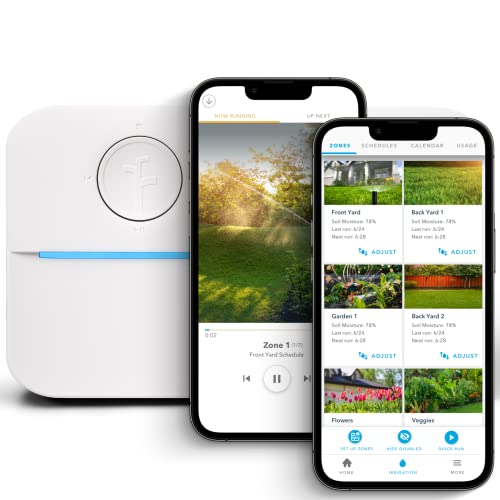
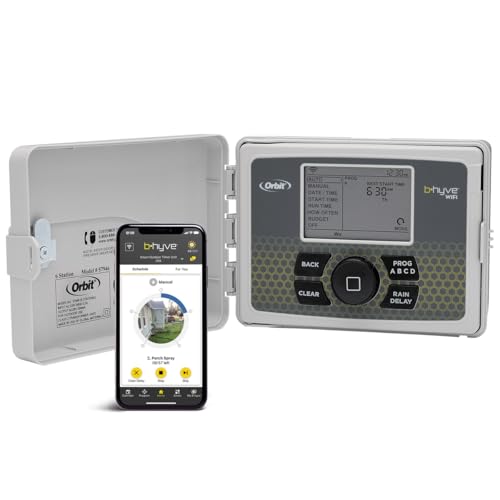
- Controllers and timers: frequently around 10 years, although many owners upgrade sooner to smart controllers.
- Drip lines and emitters: usually shorter lived above ground, especially in strong sun, and often replaced in sections.
- Hose end sprinklers and hose timers: simpler consumer products that may last only a few seasons with heavy use.
These ranges vary widely. A system installed with quality parts, buried at the right depth and winterized every year can far exceed them, while a poorly installed system in a harsh climate may need major work much earlier.
The type of system matters too. Spray and rotor systems for lawns rely on pop up heads that take a beating from mowers and foot traffic, so heads are the usual weak point. Drip systems for beds and gardens have fewer moving parts but more small fittings and emitters that clog or crack in the sun. Hose end setups with a battery timer are the simplest of all, and their timers and connectors are the parts most likely to wear out.
Factors That Affect How Long It Lasts
Several conditions decide whether your system reaches the long end of those ranges or fails early.
- Freezing temperatures: water left in pipes, valves and heads can expand and crack them. Skipping winterization in cold climates is one of the fastest ways to shorten system life.
- Water quality: hard water leaves mineral deposits that clog nozzles and wear seals. Sand or debris in well water damages valves and heads.
- Water pressure: pressure that is too high stresses fittings and causes misting and leaks, while low pressure leaves dry spots.
- Installation quality: shallow pipes, poor fittings and heads set too high or too low all lead to early failures.
- Physical damage: mowers, edgers, vehicles and digging projects break heads and lines.
- Sun and heat: exposed plastic parts and drip tubing become brittle over time under strong UV.
- Roots and soil movement: tree roots can crush or invade pipes, and shifting soil can loosen joints.
- Maintenance habits: regular checks and small repairs prevent minor leaks from becoming major problems.
Climate is often the biggest single factor. Systems in mild regions avoid freeze damage, while those in cold areas depend heavily on a careful fall shutdown.
Landscape changes can shorten system life as well. New patios, garden beds, fences and trees often get built over or around existing lines, which leads to cut pipes, blocked heads and zones that no longer match the plants they water. Mapping your lines and marking valve boxes before any project avoids a lot of damage.
Signs Your Sprinkler System Needs Repair or Replacement
Most problems announce themselves before they become expensive. Watch for these signs during your regular watering season.
- Dry or brown patches in areas that should be covered, a sign of clogged, misaligned or broken heads.
- Soggy spots, puddles or sinkholes that suggest a leaking pipe or fitting underground.
- Heads that do not pop up or retract, or that spray unevenly or mist heavily.
- Zones that will not turn on or off, which often points to valve or wiring trouble.
- A sudden jump in your water bill without a change in your watering schedule.
- Low pressure across the system, which can mean a major leak or a failing backflow device.
- A controller that loses settings or will not power on.
One or two of these issues usually mean a targeted repair. Several at once, especially in an older system, may signal it is time to consider larger upgrades.
It also helps to keep a simple log of repairs. If you find yourself fixing the same zone every season, or replacing several heads each spring, that pattern points to a deeper issue such as pressure, poor head spacing or a damaged lateral line rather than bad luck.
How to Make Your Sprinkler System Last Longer
A few simple habits extend the life of every component and keep water bills in check.
Winterize before the first freeze
In cold climates, shut off the water supply, drain the system and, where recommended, have the lines blown out with compressed air by a qualified technician. Insulate exposed backflow preventers and valves. This single step prevents most freeze cracks.
In spring, restart slowly. Open the main valve gradually so a rush of water does not hammer fittings, then run each zone in turn while you check for leaks and stuck heads.
Clean and adjust sprinkler heads
Each spring, run every zone and watch the spray. Clean clogged nozzles and filters, straighten tilted heads, and adjust spray patterns so they water the lawn instead of the sidewalk. Raise or lower heads that sit too high for the mower or too low in the grass.
Check for leaks and pressure problems
Walk the yard looking for soggy areas or bubbling water, and check valve boxes for drips. If heads mist heavily, pressure may be too high; a pressure regulator can protect the system. Fix small leaks promptly before they erode soil or damage pipes.
Keep an eye on the backflow preventer and any filters too. A filter at the start of a drip zone traps grit that would otherwise clog emitters, and cleaning it a few times a season keeps water flowing evenly to every plant.
Update the controller and schedule
Water less in cool weather and after rain. A smart controller that adjusts to local weather can reduce runtime and wear on valves and heads. Replace controller backup batteries and keep the unit protected from moisture.
Trim grass and shrubs away from heads so the spray is not blocked, and avoid letting edging tools or mowers run over them. Small habits like these protect the parts that wear out first and keep coverage even across the whole yard.
Repair or Replace?
Most sprinkler problems are worth repairing. Heads, nozzles, valve parts and controllers are affordable and easy to swap, and replacing them restores much of the system's performance. Replacement makes more sense when the underground pipes are failing repeatedly, the layout no longer fits your landscape, the system uses outdated parts that are hard to find, or repair bills keep stacking up year after year. In many cases, a partial upgrade, such as new heads in problem zones plus a smart controller, gives an older system a long second life at a fraction of the cost of a full replacement.
Frequently Asked Questions
Is it worth repairing an old sprinkler system?
Usually, yes. If the main lines are sound, replacing worn heads, valves or the controller is far cheaper than a new system and can restore even coverage. Consider a full replacement only when pipes leak repeatedly, the layout no longer suits your yard, or parts are no longer available.
What brand of sprinkler system lasts the longest?
Longevity depends more on installation quality, climate and maintenance than on the brand name. Established irrigation brands such as Rain Bird, Hunter and Orbit sell widely available replacement parts, which makes repairs easier over the years. Choose quality components and keep up with winterizing and seasonal checks.
How often should a sprinkler system be inspected?
A quick visual check every few weeks during the watering season catches broken heads and leaks early. A more thorough inspection each spring, when you start the system, and a proper shutdown each fall in cold climates cover most needs.
Final Thoughts
How long does a sprinkler system last? With good installation and regular care, the core system can run for 20 years or more, while heads, valves and controllers are replaced as they wear. Planning an upgrade? See our picks for the best sprinkler system, the best sprinkler system for raised beds and the best sprinkler system for flower beds, read how to choose a sprinkler system, and find out is a sprinkler system worth it for your home.


