
How Much Does a Central Vacuum System Cost in 2026? Real Price Ranges Explained
Disclosure: We may earn a commission when you buy through links on this page, at no extra cost to you. As an Amazon Associate I earn from qualifying purchases. Learn more

How much does a central vacuum system cost? Power unit price tiers, hose kits, installation factors, ongoing costs and ways to save.
A central vacuum power unit typically costs around $300 for an entry level model, around $450 to $600 for a mid range unit and $650 or more for premium systems, before hoses, inlets and installation. Add a hose and tool kit, pipe and fittings, plus professional installation if the home is not already piped, and the total project costs noticeably more. That is the short answer to how much does a central vacuum system cost, and the rest of this guide breaks down every part of the price.
You will see typical price ranges in a simple table, what drives the cost up or down, hidden and ongoing expenses, whether a cheap system is good enough and practical ways to save money on a whole house vacuum.



How Much Does a Central Vacuum System Cost? Average Prices in 2026
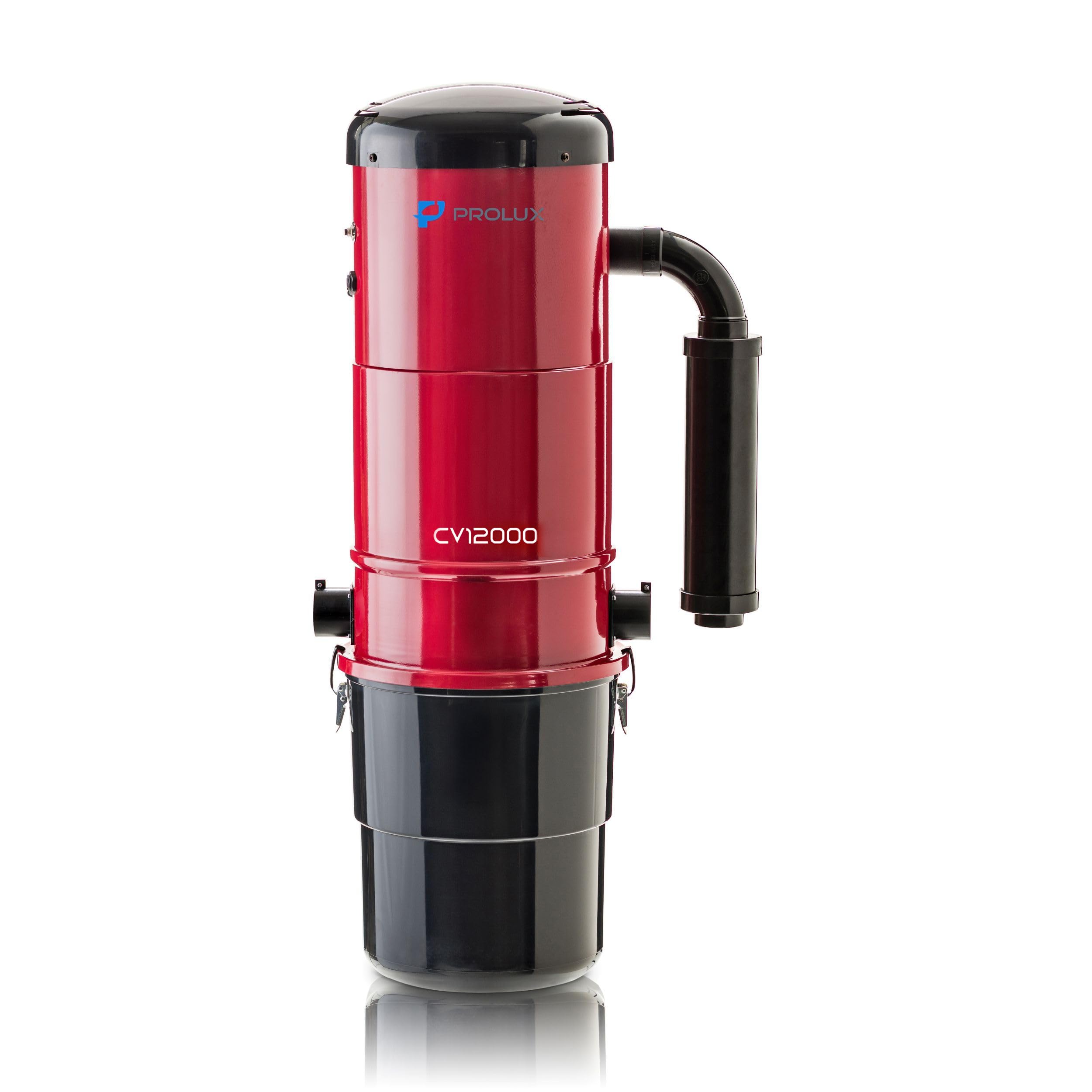
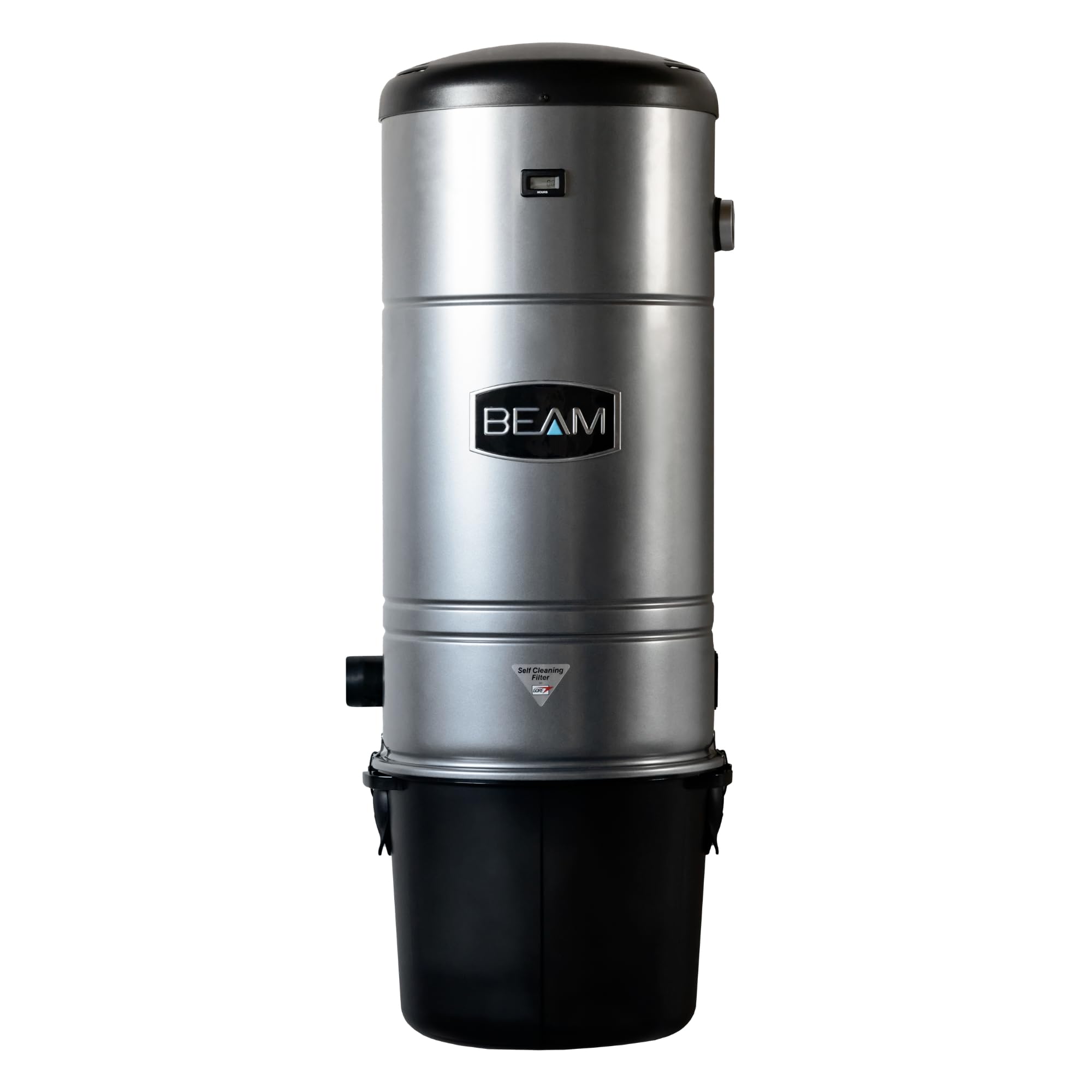
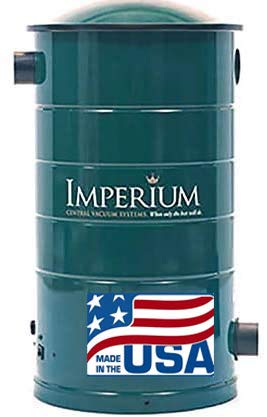
Central vac pricing has three main parts: the power unit, the hose and tool kit, and the installation materials or labor. The power unit is the biggest single purchase, and current prices on Amazon fall into three clear tiers.
| Tier | Typical power unit price | What you get |
|---|---|---|
| Entry level | Around $300 to $400 | Solid suction for small and medium homes, basic filtration, smaller canister |
| Mid range | Around $450 to $600 | More air watts, larger canisters, hybrid bagged or bagless filtration, longer warranties |
| Premium | Around $650 and up | High airflow for large homes, big canisters, quieter designs, smart controls or bundled accessory kits |
On top of the power unit, a hose and tool kit usually adds around $150 to $350, depending on hose length and whether it includes an electric power nozzle for carpet. A low voltage hose with an on and off switch at the handle sits at the lower end, while electric hoses with a motorized carpet head cost more. If you need pipe and inlets, basic installation kits with a few inlets and a length of pipe start at roughly $100 to $150, with larger homes needing more material.
Installation is where totals vary most. In new construction, adding a central vac while the walls are open is relatively simple, and many builders offer it as an option. In an existing home, the installer has to fish pipe through closets, attics, basements and walls, which takes more time. Labor rates also differ by region, so local quotes are the only reliable way to price installation for your house.
As a rule of thumb, plan your budget in two parts: the equipment, which you can price precisely online, and the installation, which depends on your home's layout and whether it is already piped. Homes that already have pipes and inlets only need a new power unit and hose, which keeps the cost close to the equipment price alone.
Here is how the equipment side can add up for a typical do it yourself project in a modest home. An entry level power unit at around $360, a standard low voltage hose kit at around $160 and a three inlet pipe kit at around $115 come to roughly $635 before tools, glue and any extra pipe. Swap in a mid range unit and an electric hose with a power nozzle, and the same project lands closer to $1,000 in equipment alone. Professional installation then comes on top.
What Affects the Price
Several factors move a central vacuum system from entry level to premium pricing.
Power Unit Suction and Airflow
Power units are rated in air watts, which combines suction and airflow into one number. Higher ratings mean stronger cleaning at the farthest inlet, but they cost more. Motor design matters too. Two stage and bypass motors that keep dirty air away from the motor's cooling air are built for longer life, and they usually carry higher prices. A unit sized well above your floor area costs more upfront but keeps suction strong on long pipe runs.
Coverage Area and Number of Inlets
Manufacturers list a maximum coverage area for each power unit, and larger homes need more powerful models. Each inlet adds pipe, fittings, a wall valve and low voltage wire, so a three inlet layout costs far less than one with an inlet in every room. Most homes need fewer inlets than people expect, because a 30 to 35 foot hose reaches a lot of floor from one central spot. Garage utility inlets and kitchen floor sweeps add convenience and a little extra cost.
Filtration: Cyclonic, Bagged or Filtered
Cyclonic units separate dirt without bags and are often the cheapest to run. Bagged units cost a little more over time because of replacement bags but offer the cleanest disposal for allergy sufferers. Filtered units need occasional filter cleaning or replacement. Hybrid units that work with or without bags sit in the mid range and give you flexibility.
Installation Requirements
The biggest variable is how hard it is to run pipe. Single story homes with attic or crawlspace access are usually easier than finished multi story homes with no open walls. The power unit also needs a dedicated outlet and, ideally, an exterior vent for the exhaust. DIY installation saves labor costs if you are comfortable cutting into walls and gluing PVC joints airtight, but mistakes can reduce suction or cause clogs.
Hidden and Ongoing Costs
The sticker price is not the whole story. Budget for these extras:
- Bags and filters. Bagged and filtered systems need regular replacements, a modest but steady expense.
- Hoses and attachments. Hoses get stepped on and dragged around corners, so they wear out long before the power unit. A spare hose or a new power nozzle is a common purchase over the years.
- Hose storage. Wall hangers, hose socks to protect walls and retractable hose systems add cost and convenience.
- Electrical work. If there is no outlet near the power unit location, you may need an electrician.
- Motor service. After many years, motors may need new carbon brushes or replacement.
- Repairs to walls. Retrofits can leave small patches of drywall to repair and paint.
It also pays to think about where the dirt goes. A large canister that needs emptying only a few times a year saves time, and an exhaust vented outdoors keeps fine dust out of the house, but running a vent line through an exterior wall adds a little labor and material to the job.
Electricity use is modest, since a central vac only runs while you clean. The overall running cost is usually low compared with the purchase and installation.
Is a Cheap Central Vacuum System Good Enough?
For a small or medium home with short pipe runs, an entry level power unit can work very well. Budget units often deliver plenty of suction at the inlet and, because the motor is not carried around, they avoid the wear that cheap portable vacuums suffer. Many come from established brands with long track records in central vacs.
A cheap unit becomes a false economy in larger homes, long multi level layouts or households with heavy pet hair, where weak airflow at the farthest inlet is frustrating. Check the coverage rating against your home size, look at warranty terms and make sure replacement filters or bags are easy to find. If your floor plan is big, our guide to the best central vacuum system for large homes lists units with enough power, while pet owners can compare models in the best central vacuum system for pet hair.
How to Save Money on a Central Vacuum System
- Shop sales seasons. Big shopping events such as Black Friday, Prime Day and spring home improvement sales often bring discounts on power units and hose kits.
- Watch Amazon deals. Prices on central vac equipment shift often, so tracking a unit for a few weeks can pay off.
- Buy bundles. Packages that include the power unit and a full accessory kit usually cost less than buying the pieces separately.
- Consider refurbished units. Renewed power units with a warranty can cut the price, though check the coverage carefully.
- Install during construction. Running pipe while walls are open is far cheaper than retrofitting later.
- Do part of the work yourself. Some homeowners mount the power unit and connect the hose while a pro handles the piping.
Frequently Asked Questions
Is it cheaper to buy a central vacuum system online?
Often, yes. Online stores like Amazon list many power units and hose kits with clear prices, frequent discounts and easy comparisons, while local dealers may bundle equipment with installation at a higher price. Buying online makes most sense if your home is already piped or you have an installer who accepts customer supplied equipment.
How long does a central vacuum system last?
A central vacuum system often lasts for decades. The pipes inside the walls can last as long as the house, and quality power units are built for long service lives, especially those with bypass motors. Hoses, power nozzles and filters wear out sooner and need periodic replacement, but they are inexpensive compared with the power unit.
Does a central vacuum add value to a home?
A central vac can be an attractive feature for buyers, especially in larger homes, and it signals convenience and good indoor air quality. It rarely returns its full cost at sale, so install one mainly because you will enjoy using it. Compare models in our roundup of the best central vacuum system before you buy.
Final Thoughts
So, how much does a central vacuum system cost? Expect around $300 for an entry level power unit, around $450 to $600 for mid range and $650 or more for premium models, plus a hose kit and installation. Size the unit to your home, plan the inlets carefully and shop sales for the best price. If a portable vacuum suits you better, see our picks for the best vacuum cleaner or learn where to buy a vacuum cleaner.


