How Much Does a Riding Lawn Mower Cost? 2026 Price Guide and What to Expect
Disclosure: We may earn a commission when you buy through links on this page, at no extra cost to you. As an Amazon Associate I earn from qualifying purchases. Learn more

From basic lawn tractors to electric zero turns: how much does a riding lawn mower cost by tier, plus upkeep costs and ways to save.
A new riding lawn mower usually costs between about $1,800 and $3,000 for an entry level lawn tractor, $3,500 to $5,000 for a mid range tractor or residential zero turn, and $5,000 to $8,000 or more for premium electric and wide deck models. Most homeowners with one to two acres end up spending somewhere around $3,000 to $4,500. So how much does a riding lawn mower cost for your property? It mostly depends on deck width, the type of steering, and whether the machine runs on gas or batteries.
This guide lays out current price tiers with real examples, explains the features that push the price up or down, and covers the ongoing costs that many first time buyers forget to budget for. By the end you should know which tier fits your yard and where you can safely save money.

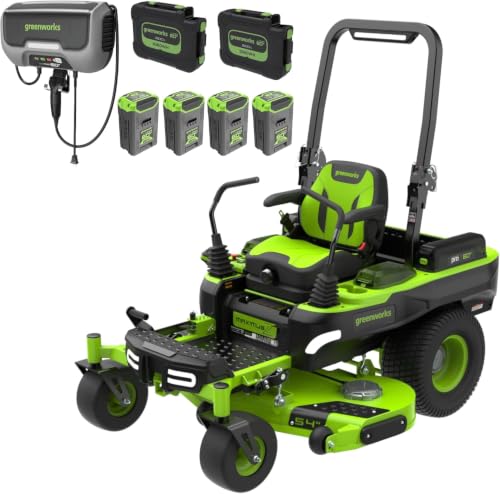

How Much Does a Riding Lawn Mower Cost in 2026? Average Prices
Riding mower prices fall into three broad tiers. The figures below reflect typical retail pricing for new residential machines, with examples currently listed on Amazon. Prices shift with sales and stock levels, so treat them as a guide rather than a quote.
| Tier | Typical price | What you usually get | Example |
|---|---|---|---|
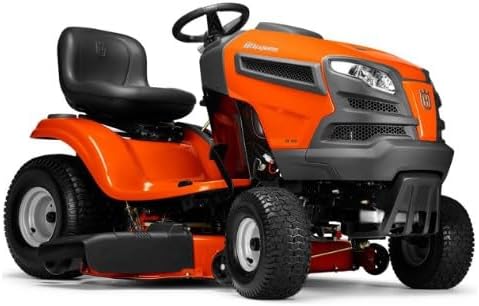
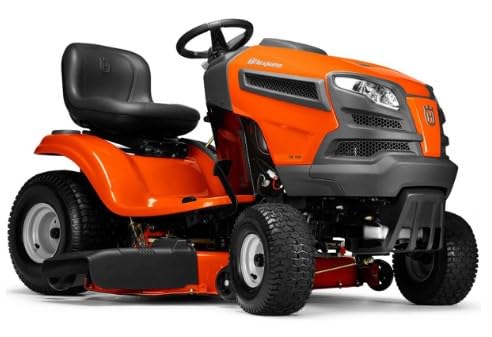
| Entry level | $1,800 to $3,000 | Lawn tractor, 42 inch deck, single cylinder gas engine, basic seat | Husqvarna TS 120 42 inch lawn tractor (around $2,900) |
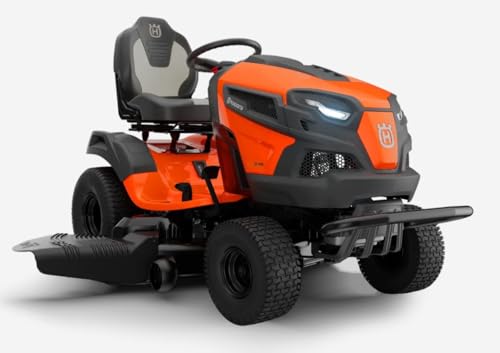
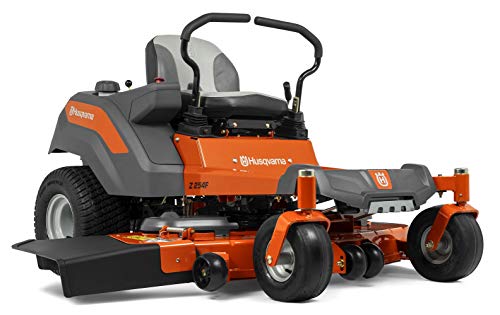
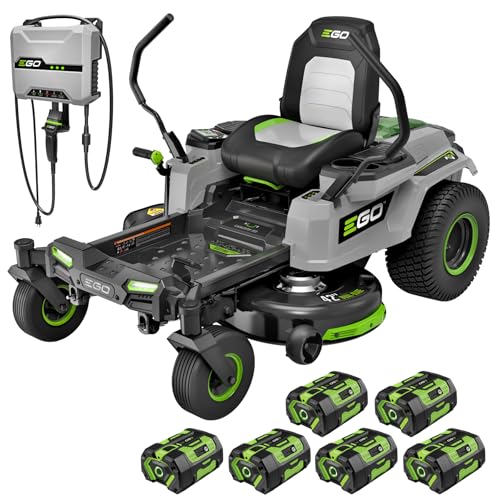
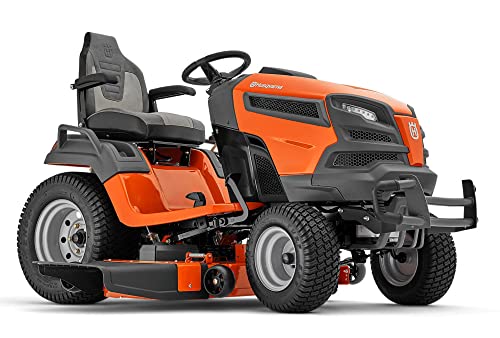
| Mid range | $3,000 to $5,000 | 46 to 54 inch deck, V twin engine or hydrostatic drive, residential zero turn or a battery tractor | Husqvarna TS 140X 48 inch (around $3,800), Husqvarna Z254F zero turn (around $3,900), EGO TR4204 electric tractor (around $4,400) |
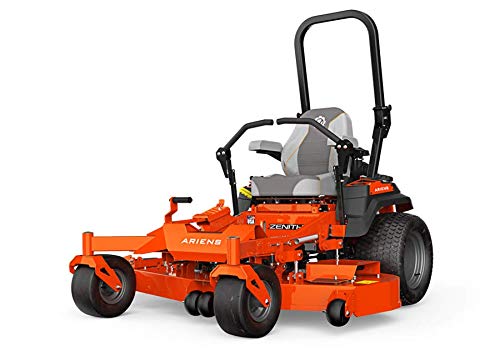
| Premium | $5,000 to $8,500+ | 54 to 60 inch fabricated decks, bigger engines, electric zero turns with large battery packs, commercial style frames | EGO Z6 ZT4214L electric zero turn (around $5,300), Husqvarna 54 inch 24 HP tractor (around $5,300), Ariens Zenith 60 (around $8,300) |
Entry level machines suit flat lawns of roughly half an acre to one and a half acres. They do the job well, but they tend to have thinner stamped decks, smaller fuel tanks and simpler transmissions. Mid range models are the sweet spot for most buyers: they add a wider cutting deck, smoother drive systems and more comfortable seats without jumping into commercial pricing.
Premium mowers make sense for large properties of two acres or more, hilly ground, or owners who want a quiet, low maintenance electric riding mower. Battery machines carry a higher sticker price because the battery packs themselves are expensive, but they remove fuel, oil changes and belt servicing from the yearly budget.
What Affects the Price
Two mowers that look similar can be $2,000 apart. The gap usually comes down to four things: the size of the cutting deck, the power source, the steering design and the strength of the engine or battery system.
Deck Size vs Yard Size
The cutting deck is the biggest single driver of price. A 42 inch deck is the standard entry point and handles up to about one and a half acres comfortably. Moving to a 46 or 48 inch deck typically adds several hundred dollars, while 54 and 60 inch decks push most models into the premium tier.
Match the deck to your acreage rather than buying the biggest one you can afford. A very wide deck saves time on open lawns, but it can be awkward around trees, beds and narrow gates, and it may not fit through a standard shed door.
Gas vs Electric Riding Mowers
Gas models still offer the lowest entry price and unlimited runtime as long as you have fuel on hand. Electric riding mowers start higher, often around $4,000 and up, because they ship with several large lithium batteries. The EGO TR4204, for example, uses six 56V batteries and is rated to cut up to one and a half acres per charge.
The tradeoff is ongoing cost. An electric model needs no oil, spark plugs, air filters or gasoline, and it runs much quieter. Over several seasons, those savings narrow the price gap, though replacement batteries are a real expense down the road.
Lawn Tractor vs Zero Turn
A lawn tractor steers with a wheel and front axle, which feels familiar and handles slopes and towing well. A zero turn mower steers with lap bars and can pivot in place, which makes it faster on open lawns with lots of obstacles. At similar deck sizes, residential zero turns usually cost a few hundred to a thousand dollars more than tractors.
Tractors also tend to be better for pulling carts, spreaders and aerators. If you plan to haul mulch or firewood, a lawn tractor with a rear hitch often delivers more value per dollar.
Engine Power or Battery Capacity
On gas models, price climbs as you move from a single cylinder engine to a V twin from Briggs and Stratton or Kawasaki. Twin cylinder engines run smoother, handle thick grass better and generally last longer. Hydrostatic transmissions, which use fluid instead of belts and gears to change speed, also add cost but make mowing far easier.
On electric models, the number and size of the batteries set the price. More amp hours mean more acreage per charge, which is why the same EGO platform can range from around $5,300 to $7,000 depending on deck width and the battery pack included.
Hidden and Ongoing Costs
The purchase price is only part of the budget. A gas riding mower needs yearly maintenance: oil and filter changes, a new spark plug and air filter, blade sharpening and occasional belt replacement. Doing it yourself typically runs $50 to $100 a season, while a shop tune up often costs $150 to $300.
- Fuel: a typical suburban lawn burns through several gallons a month during peak season.
- Attachments: baggers, mulching kits and carts are often sold separately. Husqvarna's triple baggers alone run several hundred dollars.
- Storage: a cover, a shed or garage space protects the investment from rain and sun.
- Repairs: tires, batteries for the starter, belts and blades wear out over time.
- Delivery and setup: some sellers charge for freight, liftgate service or assembly.
Electric riding mowers skip most of the engine maintenance, but their lithium batteries will eventually lose capacity. Factor in that one day you may need to replace part of the pack.
Is a Cheap Riding Lawn Mower Good Enough?
For a flat, open lawn of an acre or less, an entry level lawn tractor is usually good enough. It will cut evenly, start reliably with basic care, and last many seasons if you store it indoors and keep up with maintenance.
Cheap mowers struggle when the job grows. Steep slopes, thick wet grass, frequent towing or two acres or more will strain a small engine and a light stamped deck. If your yard has any of those challenges, spending a bit more on a mid range model with a stronger engine and hydrostatic drive usually costs less in the long run than replacing a worn out budget machine early.
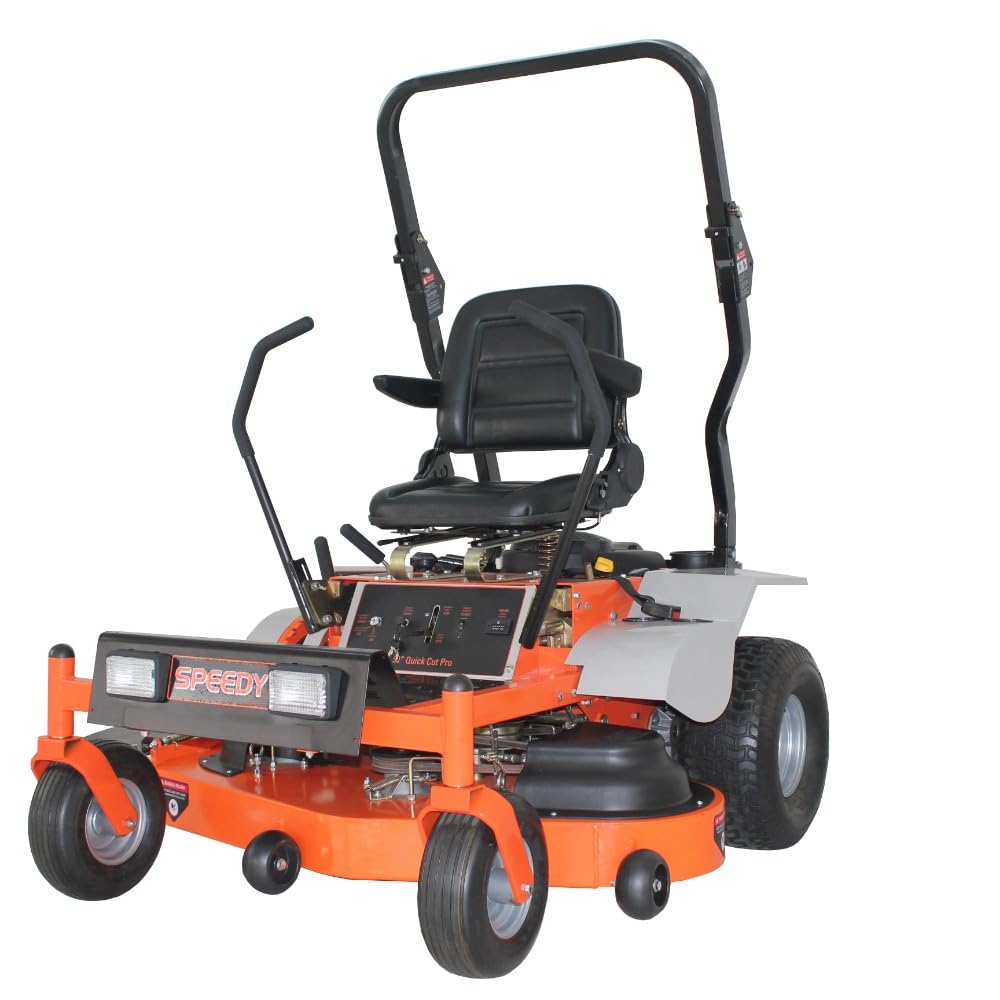
Also be careful with unknown brands that list very large decks at suspiciously low prices. Parts availability and dealer support matter a lot on a machine you plan to keep for a decade.
How to Save Money on a Riding Lawn Mower
Timing is the easiest way to save. Prices tend to soften in late summer and fall as retailers clear inventory before winter, and holiday sales events often include outdoor power equipment. Amazon deals on riding mowers come and go quickly, so it pays to watch a few models you like over several weeks.
- Shop end of season clearance in September and October.
- Consider a certified refurbished or lightly used mower from a dealer that offers a warranty.
- Look for bundles that include a bagger or mulching kit you would buy anyway.
- Buy the deck size your lawn needs, not the largest one on the floor.
- If you already own batteries from the same tool platform, check whether a bare tool option is available.
Before you buy, it also helps to compare retailers. Our guide on where to buy a lawn mower explains the tradeoffs between online stores, big box retailers and local dealers.
Frequently Asked Questions
Is it cheaper to buy a riding lawn mower online?
Often it is, especially during sales events, because online sellers compete hard on price. The catch is delivery, assembly and service. Local dealers may charge more up front but usually include setup, a first service and easier warranty repairs. Compare the total cost, including freight and any assembly fees, before deciding which route saves you more.
How long does a riding lawn mower last?
A well maintained riding mower typically lasts around 10 to 15 years, or roughly 500 to 1,500 engine hours depending on the engine. Entry level tractors sit toward the lower end, while models with V twin engines and hydrostatic transmissions last longer. Indoor storage, regular oil changes and sharp blades make the biggest difference to lifespan.
Final Thoughts
So, how much does a riding lawn mower cost? Plan on roughly $1,800 to $3,000 for a basic tractor, $3,000 to $5,000 for a capable mid range machine, and $5,000 or more for premium gas or electric models. Size the deck to your yard, budget for maintenance, and buy at the end of the season if you can. To narrow down your options, see our picks for the best lawn mower and the best riding lawn mower, or browse the best riding lawn mower for small yards and the best riding lawn mower for uneven terrain.