
How to Clean a Lawn Dethatcher the Right Way: Easy Step by Step Guide
Disclosure: We may earn a commission when you buy through links on this page, at no extra cost to you. As an Amazon Associate I earn from qualifying purchases. Learn more

How to clean a lawn dethatcher in ten minutes: clear thatch from the reel, empty the bag, wipe the deck and store the machine dry.
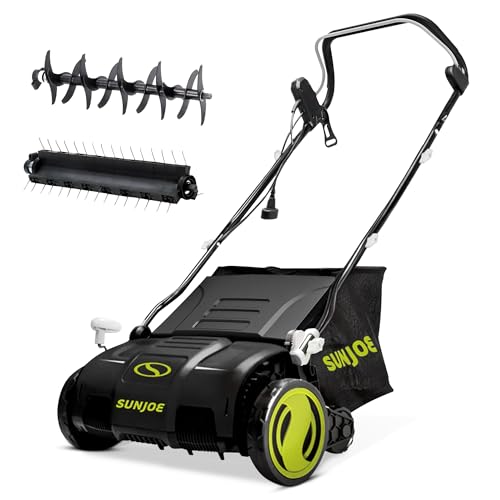
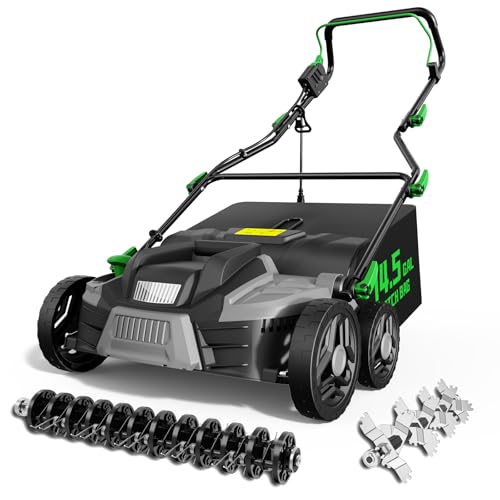
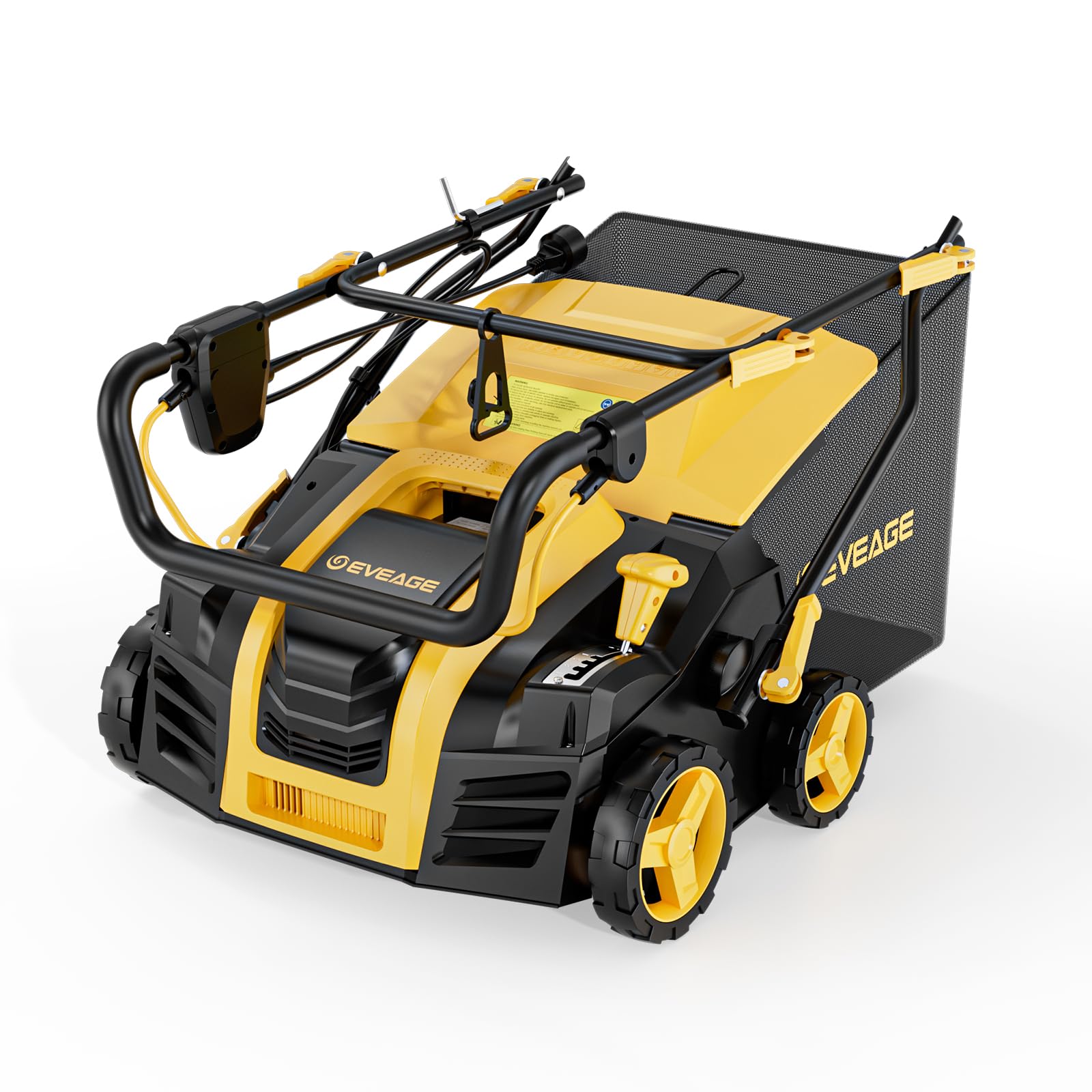
Here is how to clean a lawn dethatcher the quick way: disconnect the power, empty the collection bag, tip the machine back and pull the thatch wrapped around the tine reel, brush out the housing and underside, wipe it down with a damp cloth, then dry it and store it indoors. Ten minutes after each session keeps the tines biting and the motor running cool.
Dethatching rips out a mat of dead grass, roots and moss, and plenty of it ends up wound around the reel, packed into the chute and stuck to the deck. That debris holds moisture, rusts metal parts and blocks airflow to the motor, so it pays to clean it off while it is still loose.


Before You Start: Safety and Prep
Unplug a corded dethatcher or remove the battery from a cordless one before you touch the reel. On a gas power rake, stop the engine, let it cool and disconnect the spark plug wire. The tines or scarifier blades can turn by hand, and they are sharp, so wear thick gloves.
Work on a flat surface such as a driveway or patio. Gather a stiff brush, a plastic scraper or putty knife, snips for wrapped grass, a bucket of soapy water, rags and a small can of light oil. Keep the hose handy for the deck and wheels only.
How to Use a Lawn Dethatcher Step by Step
Cleaning is easier when the machine was used well, so here is the full routine from start to storage.
Step 1: Read the Manual and Wear Safety Gear
Each dethatcher has its own depth settings, height lever and cleaning advice. Read them once, then wear closed shoes, long pants, eye protection and hearing protection on louder models.
Step 2: Charge Batteries or Mix Fuel Correctly
Charge cordless batteries fully the night before. For gas units, use fresh fuel of the type the manual lists. A tool that runs out of power mid job tempts people to clear jams with the motor still connected.
Step 3: Inspect the Tool Before Each Use
Check that the tine reel turns freely, tines are straight and none are missing, the collection bag zipper and frame are intact and the cord or battery contacts are clean.
Step 4: Start It the Right Way
Set the working depth high for the first pass, start the motor with the reel off the ground if your model allows it, then lower it onto the lawn. Starting with the tines buried in thick thatch strains the motor.
Step 5: Use Proper Technique and Stance
Walk at a steady pace in straight lines, grip the handle with both hands and empty the bag before it is packed full. A full bag forces debris back into the housing. On heavy thatch, two light passes at a shallow setting beat one deep pass, and they leave less material wound around the reel for you to clean off later.
Step 6: Shut Down, Cool Down and Clean
Turn the machine off, disconnect power and let a gas engine cool. Then move straight into the cleaning routine below while the thatch is still loose.
Step 7: Store It Correctly
Store the dethatcher in a dry garage or shed, standing on its wheels or hung by the handle, with the bag empty and unzipped so it can air out.
How to Clean a Lawn Dethatcher and Maintain It
The cleaning itself takes only a few steps, and the same habits cover how to maintain a lawn dethatcher over many seasons of lawn renovation.
Clean After Every Use
Empty and shake out the bag, then turn it inside out and brush it. Tip the machine onto its back, pull wrapped grass and moss from the reel and the ends of the shaft, and scrape caked soil from the deck. Wipe the housing with a damp, soapy cloth. Avoid spraying water into motor vents or the switch.
Inspect Tines and Blades
Spring tines bend and break, especially on lawns with hidden roots or sprinkler heads. Look for bent, cracked or missing tines and for chipped scarifier blades. Uneven tines leave stripes of thatch behind. Also check the wheels and the height lever, since grit in the pivots makes depth changes stiff, and look over the cord or battery latch for cracks.
Sharpen or Replace Cutting Parts
Replace damaged spring tines and worn blade reels with the parts the maker lists for your model. Replace them as a set when several are worn, so the reel stays balanced and digs evenly.
Air Filter, Spark Plug and Fuel Care (Gas)
Tap or wash the air filter as the manual describes, check the spark plug, change the oil on schedule and add fuel stabilizer or run the tank empty before long storage.
Battery Care (Cordless)
Store batteries indoors, away from heat and frost, with a partial charge. Wipe dust off the battery contacts and the battery bay with a dry cloth. During the off season, check the charge level every few weeks and top it up as the manual suggests rather than forgetting it until spring.
Lubrication Points
Oil the wheel axles and height adjustment pivots lightly. Do not oil the tines or reel bearings unless the manual asks for it, because oil collects dust and grass.
Pro Tips for Better Results
- Mow the lawn short before dethatching. Less long grass wraps around the reel.
- Dethatch when the lawn is dry on top. Wet thatch clumps and clogs the chute.
- Keep spare tines on hand during spring, when most dethatching happens.
- Use a plastic scraper on the deck to avoid scratching paint and inviting rust.
- Tighten the handle knobs and bolts before every season.
Common Mistakes to Avoid
- Clearing a jammed reel while the battery is still in or the cord is plugged in.
- Hosing the motor housing and switch on electric models.
- Storing the machine with a damp, full collection bag.
- Ignoring bent tines, which tear the lawn and unbalance the reel.
- Leaving untreated fuel in a gas unit over winter.
Frequently Asked Questions
How often should I clean a lawn dethatcher?
Clean it after every use. Most lawns are dethatched only once or twice a year, so a machine that goes into storage dirty can sit with damp thatch on it for months. A quick brush, scrape and wipe after each session plus a fuller inspection of tines, bag and battery before the season is enough.
Can I wash a dethatcher with a hose?
Only parts of it. You can hose off the wheels and the underside of the deck on many models, but keep water away from the motor, switch, battery bay and engine. Check your manual first, and wipe electric housings with a damp cloth instead of spraying them.
Final Thoughts
Knowing how to clean a lawn dethatcher comes down to a short habit: disconnect, empty, clear the reel, wipe and dry. Wondering if one is right for you? Read is a lawn dethatcher worth it and where to buy a lawn dethatcher, then see our picks for the best lawn dethatcher, the best lawn dethatcher for backyards and the best lawn dethatcher for large yards.


