
Is a Lawn Dethatcher Worth It? Honest Pros, Cons and Verdict (2026)
Disclosure: We may earn a commission when you buy through links on this page, at no extra cost to you. As an Amazon Associate I earn from qualifying purchases. Learn more

Is a lawn dethatcher worth it? Compare prices by type, the benefits and drawbacks, running costs and cheaper alternatives.
For many lawns, yes. A dethatcher pulls out the matted layer of dead grass and roots that blocks water, air and fertilizer, and an electric model costs about the same as hiring a crew once or twice. So is a lawn dethatcher worth it for your yard? It pays off if your turf builds thatch regularly, you plan to overseed, or you simply want to stop raking by hand. If your lawn rarely forms thatch, renting one every few years may be smarter.
Below we cover what each price tier gets you, the real benefits and drawbacks, long term costs and the alternatives, so you can decide with confidence.


What You Get for the Money
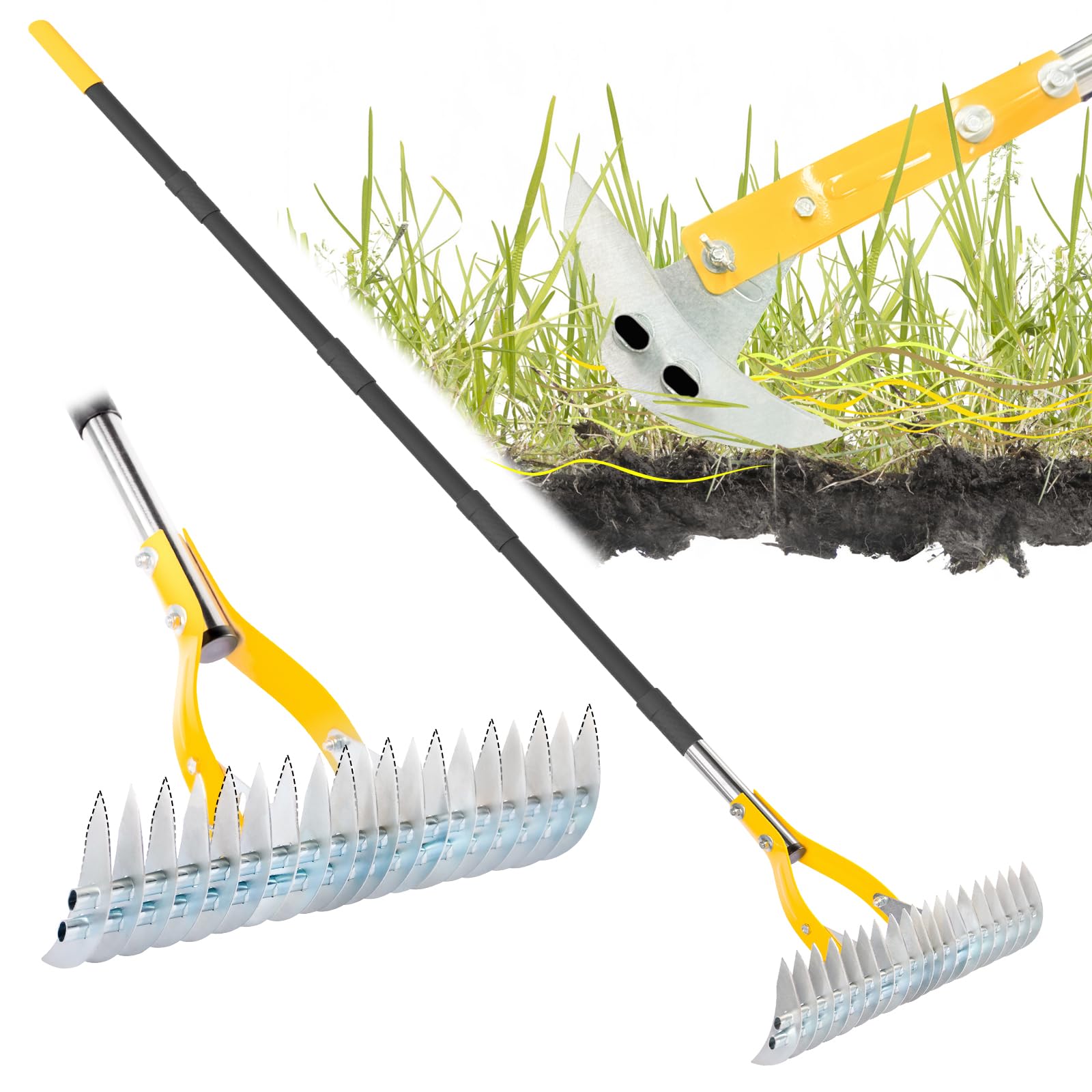
Dethatching tools span a wide range of prices. Manual thatch rakes with steel tines cost around $20 to $30 and work for small patches, but raking a whole lawn by hand is hard, slow work.
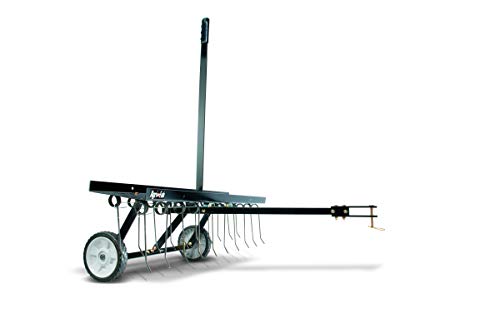
Tow behind dethatchers for riding mowers and lawn tractors cost around $90 to $190. The Agri-Fab 40 inch model with 20 spring steel tines, around $120, covers large lawns quickly but works more gently than a powered unit.
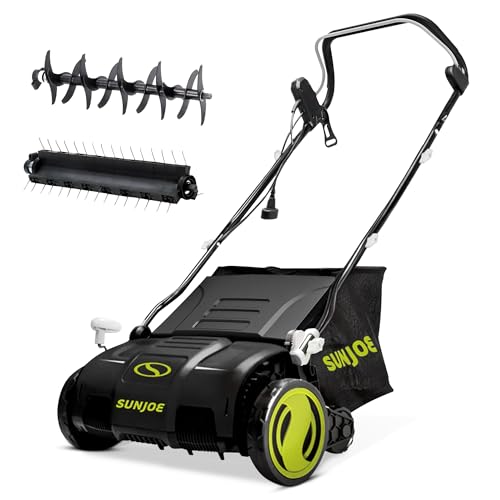
Corded electric dethatchers and scarifiers are the sweet spot for most homeowners at around $80 to $190. The Greenworks 14 inch 13 amp model with three depth positions costs around $150, the Sun Joe AJ805E 15 inch model is about $170, and the WEN DT1516 with a 15 amp motor and collection bag is near $165. Most are two in one machines that switch between a dethatching reel and a scarifier blade.
Cordless models cost more, such as the WORX 40V 14 inch WG855 at around $310, but skip the cord. Commercial gas power rakes cost considerably more, which is why most homeowners rent them instead.
Benefits of Owning a Lawn Dethatcher
A thin layer of thatch is normal, but once it builds up, it acts like a sponge that holds water at the surface and keeps roots shallow. Removing it lets water, air and nutrients reach the soil, so fertilizer and rain do more good. Many lawns green up and thicken noticeably after a proper dethatching followed by feeding.
Dethatching also prepares the ground for overseeding. Seed needs contact with soil to germinate, and a scarifier opens the surface so new grass can establish in thin or patchy areas. That makes a dethatcher a key tool for lawn renovation each spring or fall.
Owning one gives you control over timing. You can dethatch when the grass is actively growing and conditions are right, rather than waiting for a service or a rental to be available. Over several seasons, an electric unit usually costs less than repeated rentals or professional visits.
Finally, a powered machine saves your back. Pulling thatch with a hand rake across a typical suburban lawn takes hours, while a dethatcher with a collection bag handles the same job far faster. For lawns that build thatch every year, that convenience is the clearest reason why buy a lawn dethatcher.
Drawbacks to Consider
A dethatcher is a seasonal tool that may only run once or twice a year, so it can sit in storage for long periods. Corded models need a long outdoor extension cord, which can be awkward on larger lawns, and cordless batteries add cost.
Dethatching is also stressful for grass. Setting the depth too low, or dethatching during heat, drought or dormancy, can tear out healthy turf and leave the lawn looking worse for a few weeks. You will also face a surprising amount of debris to rake, bag or compost afterward.
Tow behind models work only if you own a riding mower or tractor and tend to be less aggressive than powered reels. And for lawns with very little thatch, the machine may not make much difference at all.
Timing limits the tool as well. Cool season lawns are usually dethatched in early fall or early spring, and warm season grasses in late spring once they are actively growing. Outside those windows, the machine stays in the shed.
Who Should Buy One (and Who Should Skip It)
A dethatcher makes sense if you have cool season grass that builds thatch, a lawn that feels spongy underfoot, water that runs off instead of soaking in, or plans to overseed regularly. Homeowners with medium to large lawns who care about a thick, even turf get the most value. For bigger properties, see our picks for the best lawn dethatcher for large yards.
You can probably skip buying one if your lawn is small, your thatch layer stays thin, or you only need to dethatch every few years. In those cases, a manual rake or a rental is the better value. Suburban yards in between should compare options in our guide to the best lawn dethatcher for backyards.
Before you decide, check how much thatch you actually have. Cut a small wedge of turf with a trowel and look at the brown, spongy layer between the green blades and the soil. If it is only a thin mat, your lawn is healthy and does not need a machine yet. If it is noticeably thick and feels springy when you walk on it, dethatching will likely help, and owning a tool starts to make sense.
Cost of Ownership Over Time
Running costs for electric dethatchers are low. Power use is minimal, and the main wear parts are tines, blades and the collection bag, which can be replaced as needed. Cordless owners should budget for an eventual replacement battery.
Tow behind units need little beyond occasional tine replacement and a check of the hitch and bolts. Keep any machine clean, dry and stored out of the weather, and inspect the reel before each season. For most owners, total ongoing costs over several years stay modest compared with paying for annual professional dethatching.
Alternatives Worth Considering
Renting a power rake from a tool rental store works well if you dethatch only every few years. Hiring a lawn service saves time and storage space but costs more each visit. A manual thatch rake handles small lawns and spot treatment.
Core aeration is another option, since it relieves compaction and helps break down thatch naturally over time. Mowing at the right height and avoiding excess nitrogen also slows thatch buildup. Leaving clippings on the lawn is fine for most turf, since short clippings break down quickly and are not the main cause of thatch. Healthy soil life does much of the work for you over time.
Our Verdict: Is a Lawn Dethatcher Worth It?
For lawns that build thatch every year, an electric dethatcher in the $100 to $190 range is worth buying and soon pays for itself compared with rentals or services. Large properties with a riding mower should consider a tow behind model. If your lawn rarely needs it, rent or rake by hand instead.
Frequently Asked Questions
Should I dethatch or aerate my lawn?
It depends on the problem. Dethatch when a thick spongy layer sits above the soil, and aerate when the soil is compacted and hard. Many lawns benefit from both, done at different times. If you are still unsure is a lawn dethatcher worth buying for your lawn, check the thatch depth first by cutting out a small plug.
How long does a lawn dethatcher last?
With basic care, a lawn dethatcher can last many seasons, since most only run a few hours a year. Replace worn tines or blades when they stop pulling thatch, keep the motor vents clear and store the machine dry. Tow behind models with steel frames often last longest.
What is the best lawn dethatcher to buy?
For most homeowners, a corded electric two in one dethatcher and scarifier with adjustable depth and a collection bag offers the best value. Cordless models suit lawns far from outlets, and tow behind units fit large properties. Learn the right technique in how to use a lawn dethatcher.
Final Thoughts
So, is a lawn dethatcher worth it? If thatch builds up in your lawn every year, owning one is a smart, affordable upgrade. Compare our picks for the best lawn dethatcher and see where to buy a lawn dethatcher before you choose.


