
How to Use a Lawn Dethatcher: Simple Steps, Tips and Mistakes to Avoid
Disclosure: We may earn a commission when you buy through links on this page, at no extra cost to you. As an Amazon Associate I earn from qualifying purchases. Learn more

How to use a lawn dethatcher the right way: timing, depth settings, technique and the follow up care that helps grass grow back thicker.
To use a lawn dethatcher, mow the grass a little shorter than usual, water the lawn lightly a day before, set the tines at the shallowest working depth, then walk the machine across the lawn in straight, slightly overlapping rows. Rake up or bag the loosened thatch, then water and fertilize or overseed so the grass recovers quickly. That is how to use a lawn dethatcher in a nutshell, but timing, depth and technique decide whether the lawn bounces back thicker or ends up torn and patchy.
This guide covers safety and prep, a step by step walkthrough for electric, cordless and tow behind models, pro tips for better results and the mistakes that cause the most damage.


Before You Start: Safety and Prep
Thatch is the layer of dead stems, roots and debris that builds up between the grass blades and the soil. A thin layer is healthy, but once it passes about half an inch it blocks water, air and fertilizer from reaching the roots. Push a finger or a small trowel into the turf to check its depth before you rent or buy anything.
Timing matters as much as technique. Dethatch cool season grasses in early fall or early spring, and warm season grasses in late spring through early summer when they are actively growing. Never dethatch a dormant, drought stressed or newly seeded lawn.
Prepare the yard the day before. Mark sprinkler heads, shallow cables and buried edging with flags, pick up sticks, stones and toys, and mow the lawn to about half its normal height. Water lightly so the soil is moist but not muddy. Moist soil lets the tines lift thatch cleanly, while bone dry ground makes them bounce and soggy ground lets them tear out healthy turf. Dress in long pants, closed toe shoes, safety glasses and gloves, and keep children and pets indoors while you work.
How to Use a Lawn Dethatcher Step by Step
These steps apply to most walk behind electric dethatchers, with notes for cordless and tow behind models.
Step 1: Read the manual and wear safety gear
Every dethatcher sets depth, switches heads and starts a little differently. Read the manual for your model, paying attention to the depth range, the start sequence and how to clear a jam. Put on safety glasses, gloves and sturdy shoes before you plug in or attach a battery, since the tines throw debris and small stones.
Step 2: Charge batteries or mix fuel correctly
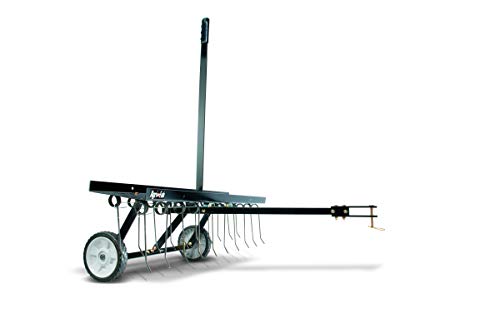
Fully charge cordless models such as the WORX WG855 the night before, and have a spare battery ready for larger lawns. For corded models, use an outdoor extension cord rated for the motor's amperage and drape it over your shoulder so it trails behind you. Tow behind dethatchers have no motor of their own, so check that your lawn tractor has fuel and its tires are properly inflated. Gas powered rental power rakes should be refueled outdoors with the engine off and cool.
Step 3: Inspect the tool before each use
Check the tines or blades for bends, cracks or missing pieces, and make sure the collection bag is clean and properly attached. Spin the reel by hand with the power disconnected to confirm nothing is stuck. On tow behind models, look for broken spring tines and confirm the hitch pin is secure.
Step 4: Start it the right way
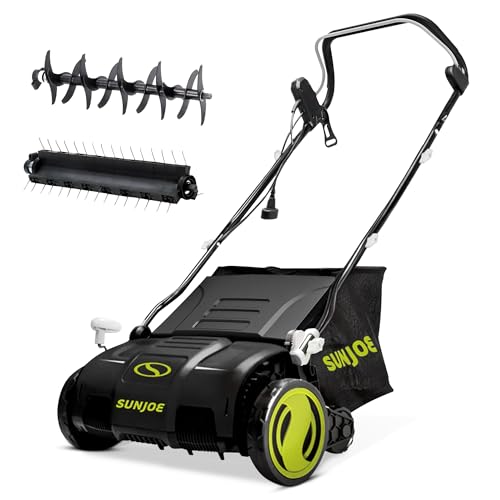
Set the depth to the highest working setting before starting. Many electric dethatchers, including the Sun Joe AJ805E and WEN DT1516, offer five depth positions, so begin shallow and lower the tines only if they are not lifting thatch. Start the machine on a hard surface or with the reel raised, then lower it onto the grass once it reaches full speed.
Step 5: Use proper technique and stance
Walk at a steady, normal pace in straight lines, overlapping each pass by a few inches like mowing. Grip the handle with both hands and keep your feet clear of the deck. Do not stop in one spot with the reel running, since it can dig into the soil. For heavy thatch, make a second pass at a right angle to the first rather than lowering the tines aggressively. Empty the collection bag when it starts to fill, as a full bag reduces pickup.
Step 6: Shut down, cool down and clean
Turn off the machine, unplug it or remove the battery, and wait for the reel to stop completely. Brush grass and thatch from the tines, deck and wheels, and empty the bag. Never reach near the reel while the tool is connected to power. Then rake up loose thatch the machine missed and add it to the compost pile.
Expect the lawn to look rough for a week or two. Thinned grass and exposed soil are normal after a proper dethatching pass, and the turf fills in quickly once it gets water, sunlight and nutrients.
Step 7: Store it correctly
Store the dethatcher in a dry shed or garage. Keep batteries indoors at room temperature, coil cords loosely and wipe metal parts to slow rust. Before storing for the season, check the tines for wear and order replacements so the machine is ready next time.
Pro Tips for Better Results
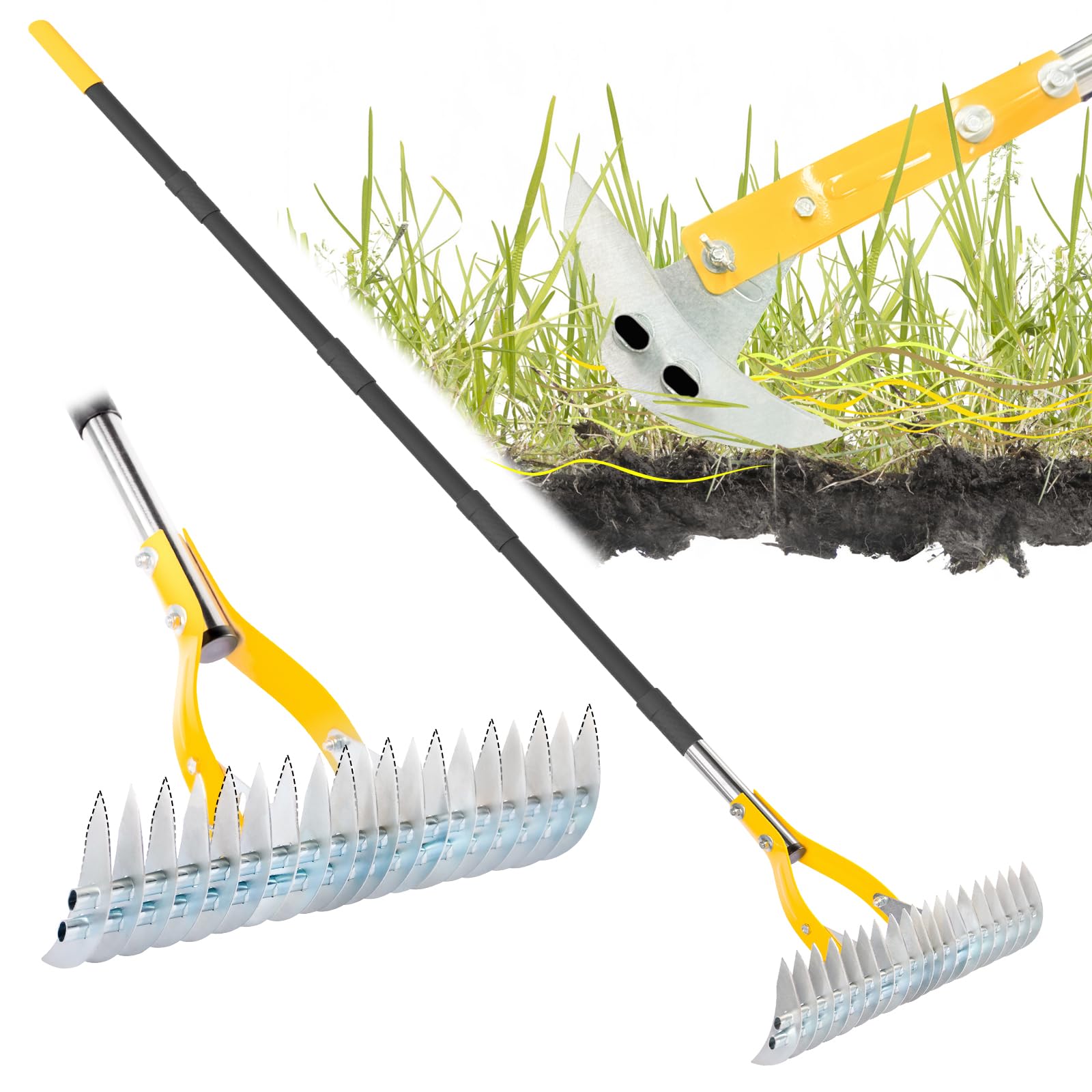
Dethatch only when the thatch layer is thicker than about half an inch. Most lawns need it once a year at most, and many only every two or three years. Lawns with mild buildup often respond well to a scarifier pass or a manual thatch rake instead of full dethatching.
Follow up immediately. Dethatching opens the soil, which makes it the perfect moment to overseed thin areas, spread a starter fertilizer and water deeply. Pairing it with core aeration helps lawns with compacted soil. Keep the seeded areas evenly moist for the next two to three weeks, and hold off on mowing until the new grass reaches normal mowing height.
Test the depth on a small, hidden patch first. If the tines pull up healthy green grass by the roots, raise the setting. Two light passes in different directions remove more thatch with less damage than one deep pass.
Match the tool to the lawn. A manual thatch rake handles small patches and spot repairs, a corded or cordless walk behind unit suits typical suburban lawns, and a tow behind spring tine dethatcher such as the Agri-Fab 45-0294 covers wide swaths behind a lawn tractor on large properties. Using a machine that fits the job keeps the work quick and the results even.
Common Mistakes to Avoid
- Dethatching at the wrong time: working on dormant or heat stressed grass leaves it unable to recover.
- Setting the tines too deep: deep settings rip out roots and leave bare soil.
- Working on wet or dry soil: soggy ground tears and clogs, while hard dry soil lets tines bounce and skip.
- Skipping the cleanup: leaving loose thatch on the lawn smothers the grass you just freed.
- Forgetting hidden hazards: sprinkler heads and cables are easy to damage if not flagged.
- Dethatching too often: repeated passes on a healthy lawn do more harm than good.
Frequently Asked Questions
How often should I use a lawn dethatcher?
Most lawns need dethatching no more than once a year, and many only every two to three years. Check the thatch depth each season, and dethatch only when it is thicker than about half an inch. Fast spreading grasses build thatch quicker than bunch type grasses, so they may need it more often.
Can beginners use a lawn dethatcher safely?
Yes. Electric walk behind dethatchers are straightforward to use if you read the manual, wear eye protection and start at a shallow depth. Practice on a less visible part of the lawn first, keep hands and feet away from the reel, and always disconnect power before clearing clogs.
Final Thoughts
Learning how to use a lawn dethatcher comes down to good timing, a shallow starting depth, steady overlapping passes and quick follow up with seed, fertilizer and water. Done right, it lets your lawn breathe and grow back thicker. Still deciding whether to buy? Read is a lawn dethatcher worth it and where to buy a lawn dethatcher, or jump straight to our picks for the best lawn dethatcher, the best lawn dethatcher for backyards and the best lawn dethatcher for large yards.


