
How to Clean a Weed Eater the Right Way: Easy Step by Step Guide
Disclosure: We may earn a commission when you buy through links on this page, at no extra cost to you. As an Amazon Associate I earn from qualifying purchases. Learn more
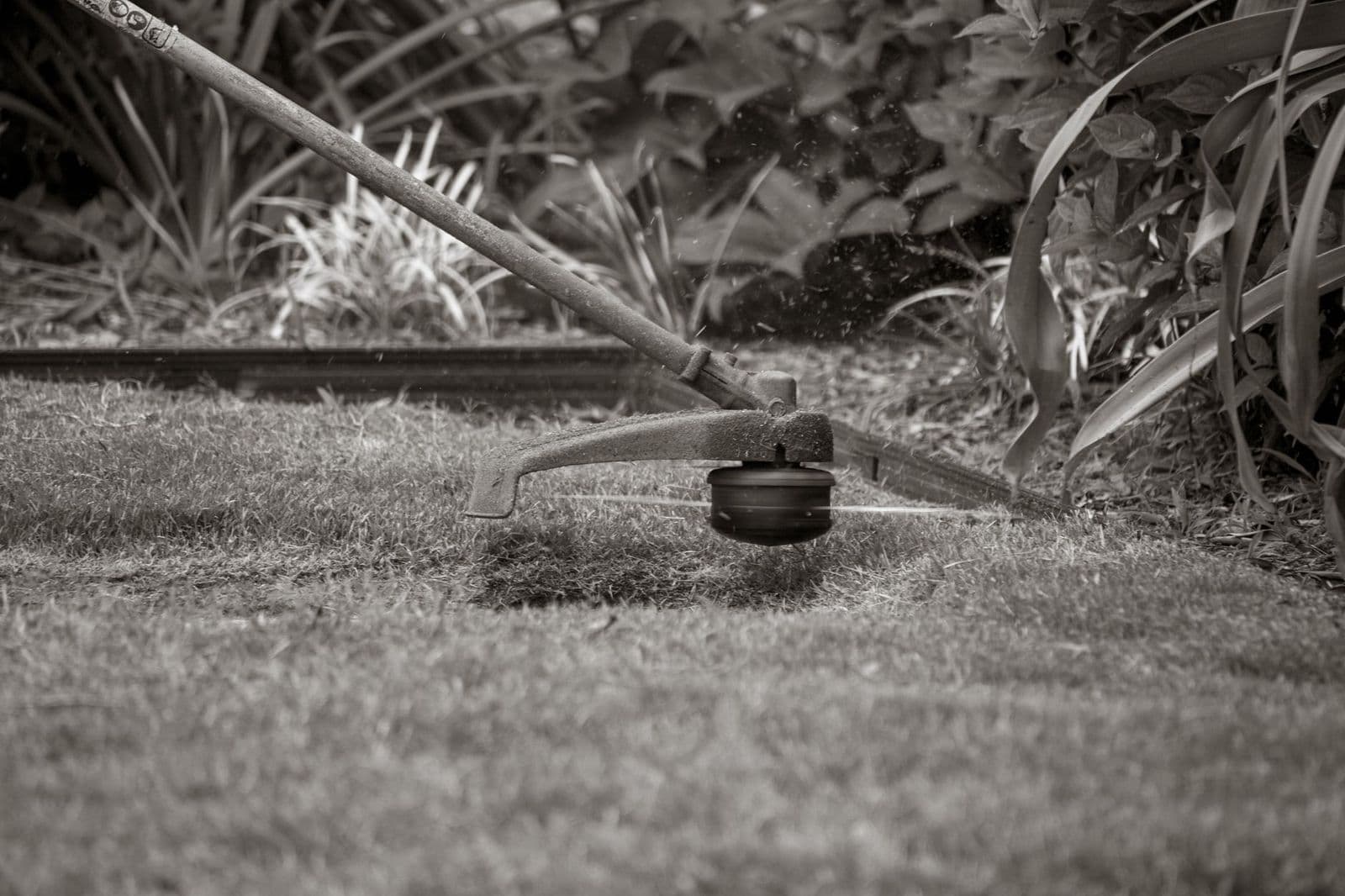
How to clean a weed eater after each use, replace trimmer line, service gas engines or batteries and follow a simple seasonal schedule.
If you want to know how to clean a weed eater, the routine is simple: shut off the power, brush grass and dirt off the trimmer head, guard and motor vents, wipe the housing with a damp cloth, check the trimmer line and let everything dry before storage. A quick clean after each use and a deeper service a few times a season keep it starting easily and cutting strongly.
Wet grass, sap and soil pack into the spool and guard surprisingly fast, which slows the head, overheats the motor and causes line jams. This guide lists the supplies you need, walks through a seven step routine for gas and battery models, gives a maintenance schedule and covers the problems owners see most often.
Why Regular Maintenance Matters
A weed eater spins its head at high speed in a cloud of clippings and dust. Debris wrapped around the shaft or packed under the guard adds drag, so the motor or engine works harder for the same cut. Clogged air intakes let a battery motor overheat and starve a gas engine of air.
Regular cleaning also catches small problems early: a cracked guard, a worn bump knob, a loose spool or stale fuel. Fixing those in minutes is far cheaper than replacing a seized engine or a burned out motor, and a clean trimmer is simply safer and more pleasant to use. Learning how to maintain a weed eater is mostly about building these quick checks into your routine.
What You Need
- Stiff brush and a plastic scraper or putty knife
- Clean rags and a bucket of warm, soapy water
- Replacement trimmer line in the size your trimmer uses
- Gearhead grease for curved or straight shaft gas trimmers that call for it
- Spark plug wrench and a new plug (gas)
- Replacement air filter (gas)
- Fuel stabilizer and fresh mixed fuel (two stroke gas)
- Gloves and safety glasses
How to Clean a Weed Eater and Maintain It Step by Step
Before you begin, remove the battery, unplug the cord or disconnect the spark plug wire. Let a gas engine cool down completely.
Step 1: Clean After Every Use
Brush grass and dirt from the trimmer head, the area around the spool and the underside of the guard. A plastic scraper loosens packed, wet clippings without scratching parts. Wipe the shaft and housing with a damp, soapy cloth, then dry it. Clear the motor or engine cooling vents so air can flow freely.
For battery tools, this is also how to clean a cordless string trimmer: use only a damp cloth on the housing, keep water out of the battery port and vents, and wipe the battery contacts dry.
Step 2: Inspect the Trimmer Line and Head
Pop the cover off the trimmer head and look at the spool. Remove grass wrapped around the hub and check that the line is wound neatly without crossing or welding together. Inspect the bump knob and eyelets for wear, since worn eyelets fray the line quickly. Check the guard for cracks and make sure the line cutoff blade on the guard is intact.
Step 3: Replace the Line or Worn Parts
Trimmer line does not need sharpening; you replace it. Rewind the spool with fresh line of the diameter listed in your manual, following the arrows on the spool. Line that has dried out over winter can become brittle, so soaking it in water for a few hours before winding helps some types stay flexible. Replace worn bump knobs, eyelets or a damaged guard cutoff blade. If you use a fixed blade attachment for brush, sharpen or replace it as the maker directs.
Step 4: Air Filter, Spark Plug and Fuel Care (Gas)
Open the air filter cover and tap or brush out the filter. Foam filters can be washed in soapy water if the manual allows and must dry fully before going back in. Replace paper filters that look dark or damaged. Inspect the spark plug for carbon, set or replace it as needed, and use fresh fuel mixed at the ratio printed on the trimmer. Old fuel is one of the most common reasons a gas trimmer will not start.
Step 5: Battery Care (Cordless)
To maintain a cordless string trimmer, focus on the battery. Store it indoors at room temperature, avoid leaving it in a hot car or freezing shed, and do not keep it fully drained for long periods. Inspect the pack for cracks and keep the contacts clean and dry.
Step 6: Lubrication Points
Many gas trimmers with a curved or straight shaft have a gearhead near the trimmer head with a grease port. Add the recommended grease at the interval in your manual. Some models also need the drive shaft greased when separated for attachments. Battery trimmers with the motor at the head usually need no lubrication.
Step 7: Off Season Storage
At the end of the season, deep clean the trimmer, replace the line and check the guard. For two stroke gas engines, either run the tank dry or fill it with stabilized fuel as the maker recommends. Remove batteries and store them indoors at a partial charge. Hang the trimmer horizontally or by its hanger hole in a dry spot.
Maintenance Schedule (Daily, Monthly, Yearly)
Use this table as a simple plan for how to maintain a string trimmer through a full season.
| When | Task |
|---|---|
| After every use | Brush the head, guard and vents; wipe the housing; check line length |
| Monthly in season | Clean the air filter (gas), inspect the spool, eyelets and guard, check battery contacts |
| At the interval in your manual | Grease the gearhead (gas, if equipped) |
| Yearly | Replace the spark plug and air filter (gas), rewind fresh line, prepare for storage |
Check your manual, since intervals vary by brand and engine.
Troubleshooting Common Problems
Line will not feed or keeps breaking: the spool is wound unevenly, the line is old and brittle, or the eyelets are worn. Rewind with fresh line and replace worn eyelets.
Head spins slowly or the motor strains: grass is wrapped around the shaft or packed under the guard. Clean it out.
Gas trimmer hard to start or stalls: stale fuel, a dirty air filter or a fouled spark plug. Replace fuel, clean the filter and check the plug.
Short battery runtime: an aging pack, heavy line or storage in extreme heat or cold. Clean the contacts and consider a new battery.
Excess vibration: an unbalanced head, a damaged spool or uneven line lengths. Rebalance the line and inspect the head.
Avoid the common cleaning mistakes that create these problems: hosing down the whole tool, using harsh solvents on plastic parts, winding new line in the wrong direction, mixing fuel by guesswork and storing a gas trimmer with old fuel in the tank. Each one is easy to skip and expensive to fix later.
If you are thinking of replacing an old trimmer, our guide on how much does a weed eater cost explains price tiers, and our picks for the best weed eater for seniors highlight lighter models that are easier to handle and clean.
Frequently Asked Questions
How often should I clean a string trimmer?
Give it a quick clean after every use: brush the head, guard and vents and wipe the housing. That habit covers how to clean a string trimmer for most owners. Do a deeper service monthly during the mowing season and a full clean, line change and engine or battery check before winter storage.
Can I wash the filter or parts with water?
Foam air filters on gas trimmers can usually be washed in warm soapy water and dried fully, if the manual allows. Paper filters should be tapped clean or replaced. Plastic guards and heads can be wiped with a damp cloth, but never hose down the motor, engine or battery area.
Final Thoughts
Now you know how to clean a weed eater: power off, clear the head and guard, wipe the housing, replace worn line and parts, and give gas engines or batteries the care they need. If you mostly trim along paths, see the best string trimmer for edging. Ready for an upgrade? Compare our picks for the best string trimmer or see where to buy a weed eater.


