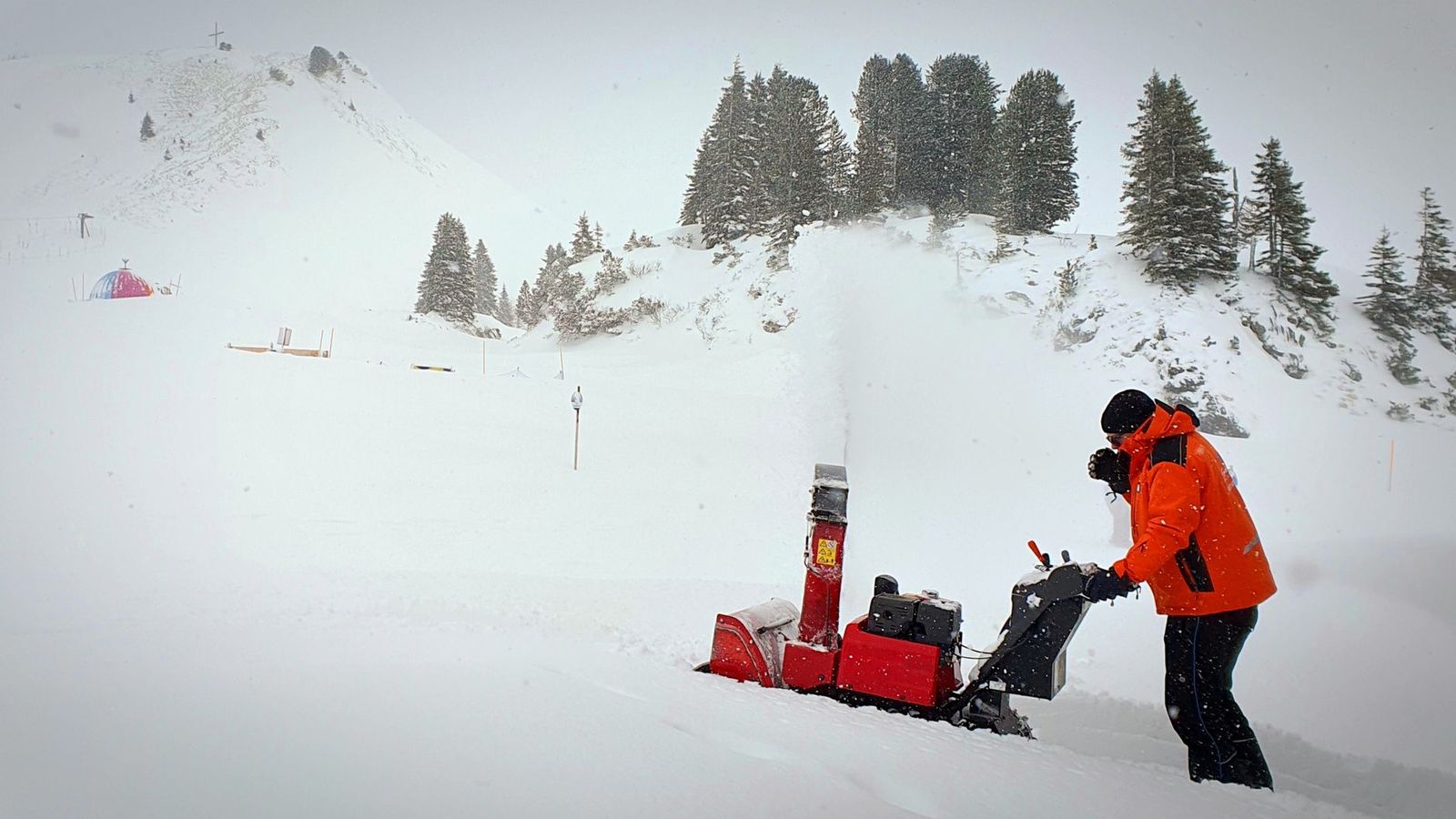
How to Maintain a Snow Blower: Step by Step Guide for 2026
Disclosure: We may earn a commission when you buy through links on this page, at no extra cost to you. As an Amazon Associate I earn from qualifying purchases. Learn more
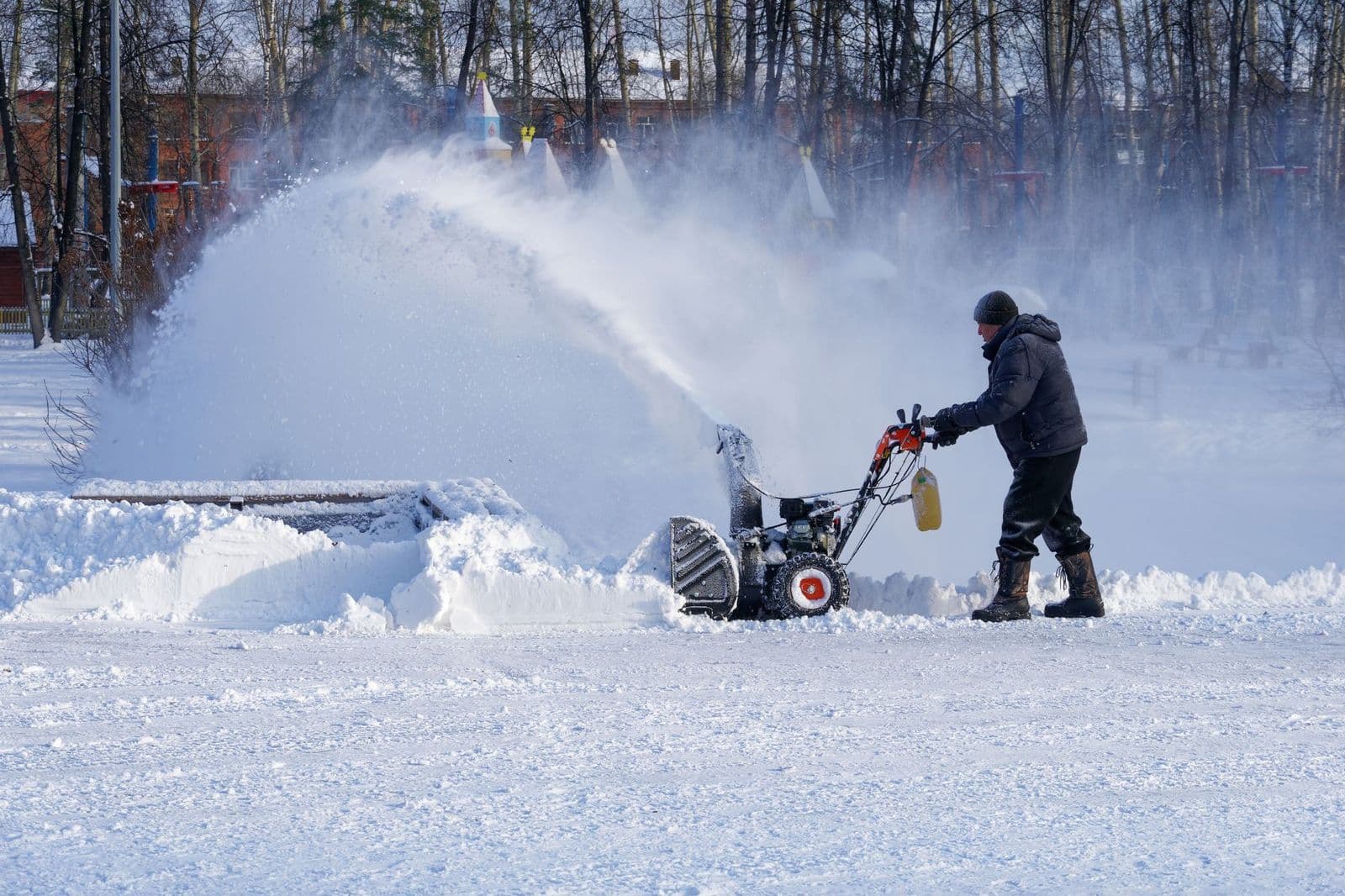
How to maintain a snow blower: cleaning, shear pins, belts, oil, fuel and battery care, storage and a simple schedule.
Learning how to maintain a snow blower comes down to a simple routine: clear off snow and slush after every use, check the augers, shear pins, belts and scraper bar regularly, change the oil and spark plug on gas models each season, and store the machine with stabilized fuel or a charged battery. That routine takes only minutes per storm and a single afternoon per year.
A snow thrower that is ignored all summer often refuses to start on the first big storm of winter. The steps below cover everything from quick post storm cleanup to off season storage for single stage, two stage and cordless machines, plus a simple schedule and fixes for the most common problems.
Why Learning How to Maintain a Snow Blower Matters
Snow blowers work in the harshest conditions any yard tool faces: freezing temperatures, wet slush, road salt and hidden chunks of ice. Without care, metal parts rust, belts crack, fuel gums up the carburetor and augers seize. A well kept machine starts reliably when you need it most, throws snow farther and wears out more slowly.
Maintenance also protects your investment. Replacing a shear pin or belt costs little, while ignoring them can lead to bent augers or a damaged gearbox. Regular checks are a safety issue too, since loose parts and worn controls can make a heavy machine hard to handle on an icy driveway.
What You Need
- Owner's manual for your model
- Socket set, wrenches and a spark plug socket
- Fresh engine oil of the type your manual lists, plus an oil drain pan
- Replacement spark plug and spare shear pins
- Fuel stabilizer and fresh gasoline
- Silicone or snow repellent spray and multipurpose grease
- Stiff brush, rags and a plastic scraper
- Gloves and eye protection
How to Clean and Maintain a Snow Blower Step by Step
Step 1: Clean after every use
If you want to know how to clean a snow blower, start the moment you finish clearing. Let the engine run for a minute or two to melt and throw off remaining snow, then shut it off and remove the key or battery. Brush snow and slush off the housing, chute and controls, and use a plastic scraper to clear packed ice from inside the auger housing. Never reach in with your hands while the machine can start.
Wipe off road salt, which speeds up rust, and let the machine dry before you close the garage. A light coat of silicone or snow repellent spray inside the chute and housing helps wet snow slide out next time.
Step 2: Inspect augers, shear pins and belts
Look over the augers for bends, cracks or missing paddles. On two stage machines, check the shear pins that hold the augers to the shaft. They are designed to break when the auger hits something solid like a newspaper or ice chunk, so keep spares on hand and replace any broken ones with the exact part your manual specifies.
Inspect drive and auger belts for cracks, fraying or glazing. A slipping belt reduces throwing distance and drive power, so replace worn belts before winter.
Step 3: Replace worn scraper bar, skid shoes and paddles
The scraper bar along the bottom of the housing and the skid shoes on each side wear down as they ride over pavement. Adjust or flip them as they wear, and replace them once they get thin, so the housing itself never scrapes the ground. On single stage models, check the rubber auger paddles; when they wear down, the machine stops clearing to the pavement and throws snow poorly.
Step 4: Air filter, spark plug and fuel care (gas)
Many snow blower engines have no air filter at all, but if yours does, clean or replace it per the manual. Change the oil after the first few hours on a new machine and then once a season, checking the level before each storm. Replace the spark plug every season or whenever it looks fouled.
Fuel is the biggest source of trouble. Use fresh gasoline, add stabilizer, and avoid leaving untreated fuel in the tank for weeks. Old fuel varnishes the carburetor, which is the most common reason a snow blower will not start.
Step 5: Battery care (cordless)
Cordless snow blowers need far less upkeep. Store batteries indoors at room temperature, since cold reduces capacity and charging below freezing can harm cells. Charge them fully before a storm and avoid leaving them dead for long periods. Keep battery contacts clean and dry.
Step 6: Lubrication points
Grease the auger shaft, chute rotation gear and drive components as your manual directs, usually once a season. Lubricate control cables and pivot points so they move freely in the cold. Check tire pressure on wheeled models, since uneven tires make the machine pull to one side.
Step 7: Off season storage
At the end of winter, either run the engine dry or fill the tank with stabilized fuel and run it for a few minutes so treated fuel reaches the carburetor. Change the oil, clean the machine thoroughly, touch up chipped paint to prevent rust, and cover it in a dry spot. Remove cordless batteries and store them indoors at partial charge.
Maintenance Schedule (Daily, Monthly, Yearly)
| When | Task |
|---|---|
| Every use | Clear snow and salt, check oil level (gas), look for loose bolts, check shear pins |
| Monthly in season | Inspect belts, scraper bar and skid shoes, check tire pressure, lubricate cables |
| Before winter | Change oil, replace spark plug, fresh stabilized fuel, grease fittings, test run |
| After winter | Run dry or stabilize fuel, deep clean, touch up paint, store covered and dry |
Adjust the schedule to how often you use the machine. Heavy snow regions may need monthly checks on belts and shear pins more often than the table suggests.
Troubleshooting Common Problems
Will not start: stale fuel is the usual cause. Drain old fuel, add fresh stabilized gas, check the spark plug and use the choke and primer as directed. A clogged carburetor may need cleaning by a shop.
Augers do not turn: check for a broken shear pin or a loose or worn auger belt. Make sure nothing is jammed in the housing.
Poor throwing distance: look for a clogged chute, worn auger paddles or a slipping belt. Spraying the chute with snow repellent helps with wet snow.
Machine will not move: on self propelled models, inspect the drive belt and friction wheel. Check tire pressure too.
Cordless runtime drops: warm the battery indoors before use and replace packs that no longer hold a charge.
Frequently Asked Questions
How often should I clean a snow blower?
Clean it after every use. Brush off snow and salt, clear packed ice from the housing and chute and let it dry before storage. A deeper clean with a check of belts, shear pins and the scraper bar once a month in season keeps rust and wear under control, followed by a thorough cleaning before summer storage.
Can I wash the filter or parts with water?
You can rinse the outer housing lightly, but avoid spraying water on the engine, carburetor, electrical parts or battery. If your engine has a foam air filter, follow the manual, which may allow washing with mild soap and thorough drying. Paper filters should be replaced, never washed. Always dry the machine fully to prevent rust and freezing.
When should a snow blower go to a repair shop?
Take it to a shop when the engine still will not start after fresh fuel and a new plug, when the gearbox makes grinding noises, or when augers stay bent after a strike. Late summer or early fall is the best time to book service, before the first storm fills repair shops. Simple jobs like oil, plugs, shear pins and scraper bars are easy to handle yourself.
Does a two stage snow blower need more maintenance?
Yes, a little. Two stage machines add an impeller, more belts, shear pins, a gearbox and drive wheels, so there are more parts to inspect and grease. Single stage models have rubber paddles that wear faster, and cordless models need mainly battery care and cleaning.
Final Thoughts
Knowing how to maintain a snow blower keeps it starting on the first try every winter. Clean it after each storm, check wear parts monthly and store it properly in spring. If your machine is beyond saving, decide whether is a snow blower worth it for your driveway, learn where to buy a snow blower, and compare our picks for the best snow blower, the best snow blower for homeowners and the best snow blower for seniors.