
Best Lawn Aerators for Steep Hills (2026): 3 Top Rated Picks Worth Buying
Disclosure: We may earn a commission when you buy through links on this page, at no extra cost to you. As an Amazon Associate I earn from qualifying purchases. Learn more

Manual and tow behind core aerators that stay safe on slopes: our picks for the best lawn aerator for steep hills.
Hillside lawns compact quickly. Rain runs off instead of soaking in, grass thins at the top of the slope and mowing traffic packs the soil even harder. Aerating fixes that, but most aerators were designed for flat yards, and a heavy machine on a steep grade can slide, tip or simply refuse to dig. The best lawn aerator for steep hills pulls real soil cores while keeping you in control on the slope. We compared current manual and tow behind core aerators on coring method, weight, handling on slopes, verified owner ratings on Amazon, expert advice and value.
Our top three are the K.D Stonedge rolling manual core aerator for most sloped lawns, the Craftsman 40 inch tow behind plug aerator for gentler grades and bigger areas, and the Landzie 42 inch hollow tine fork as the value pick for the steepest spots.



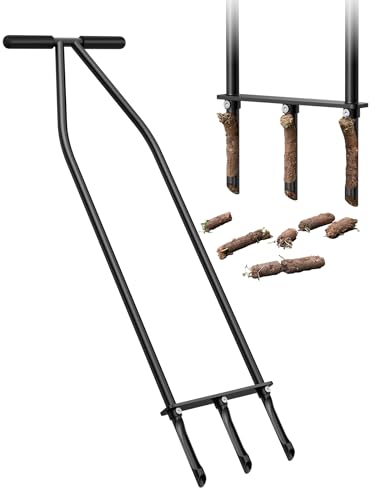
Our Top 3 Picks at a Glance
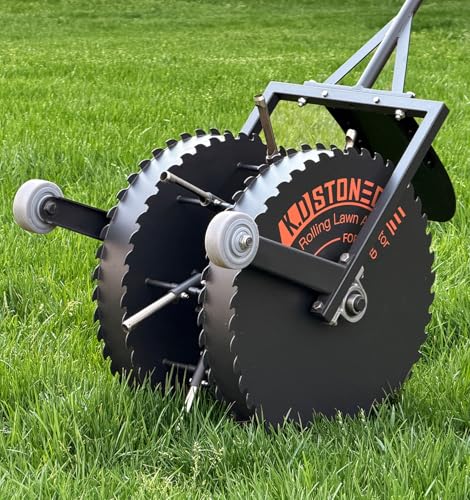
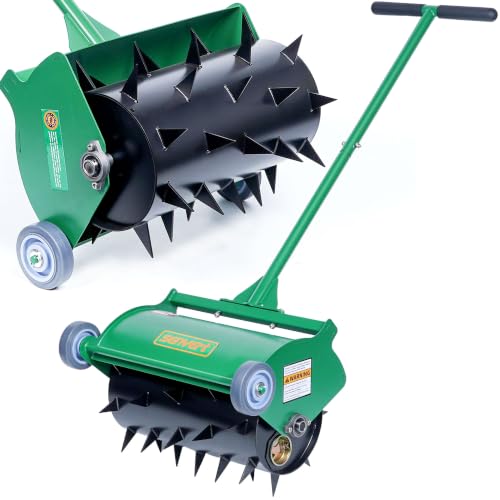
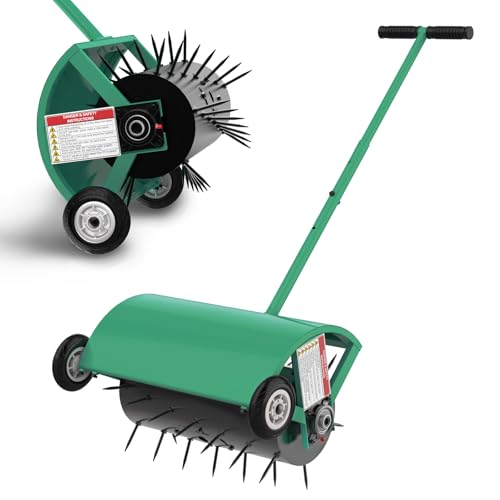
- Best Overall: K.D Stonedge Patented Rolling Lawn Aerator, Manual Coring Tool (around $260). A push core aerator with no engine to manage, so you can work across a slope at your own pace.
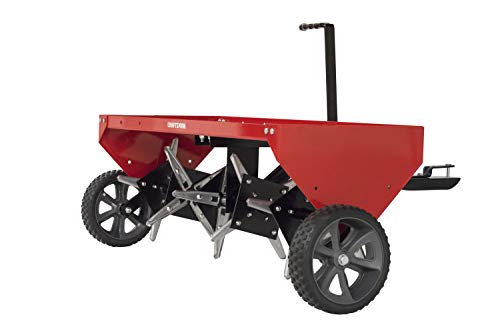
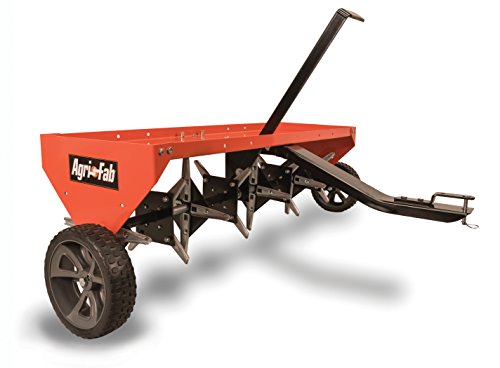
- Runner Up: Craftsman 40 Inch Tow Behind Lawn Plug Aerator (around $300). 24 coring points pull plugs up to 3 inches deep behind a lawn tractor on moderate grades.
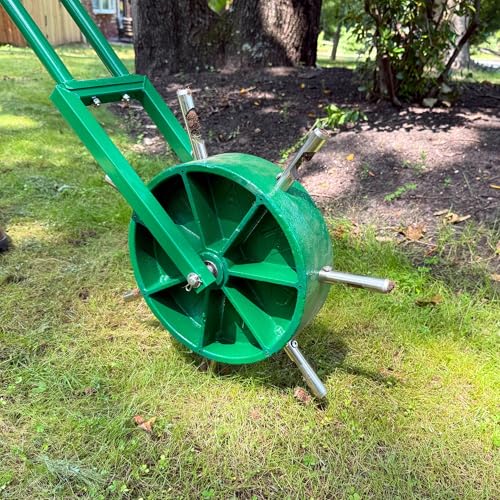
- Best Value: Landzie 42 Inch Hollow Tine Core Aerator (around $85). A stand on fork that pulls cores anywhere you can safely stand, including the steepest banks.
How We Chose the Best Lawn Aerator for Steep Hills
We favored true core (plug) aerators and judged how safely each one can be used on sloped ground, then weighed owner ratings and review volume, price against features, build quality and warranty, and current availability on amazon.com. Walk behind gas core aerators such as the Classen TA-18 are typically bought from dealers or rented and are not currently listed new on Amazon, so they are not reviewed here.
Lawn Aerator for Steep Hills Reviews
1. K.D Stonedge Patented Rolling Lawn Aerator, Manual Coring Tool: Best Overall
- Punches holes and extracts soil plugs
- Patented rotary coring design
- Manual push operation with balanced weight design
- Heavy duty construction for regular use
- Suited to small and medium lawns
Why We Picked It
On a steep hill, the safest aerator is one you control with your own feet. The K.D Stonedge rolling aerator has no engine, no drive wheels and no tractor to worry about. You push it across the slope, and its rotary coring design pulls soil plugs as it rolls, which relieves compaction and lets water soak in instead of running downhill.
Because it is manual, you can slow down on the steepest sections, stop whenever you need and work across the grade rather than straight up and down. The balanced weight design helps it pull plugs in small and medium lawns, and you get a real workout in the process. For homeowners with sloped front yards or terraced lawns, it delivers true core aeration without the risks of heavy equipment on uneven ground.
Pros
- True core plugs without an engine
- Full control on slopes
- Heavy duty build
Cons
- Physically demanding on large areas
- Best for small to medium lawns
Who Should Buy It
Homeowners with sloped or terraced lawns who want real core aeration and maximum control. It is also our top choice as the best lawn aerator for uneven terrain. It sells for around $260.

2. Craftsman 40 Inch Tow Behind Lawn Plug Aerator: Runner Up
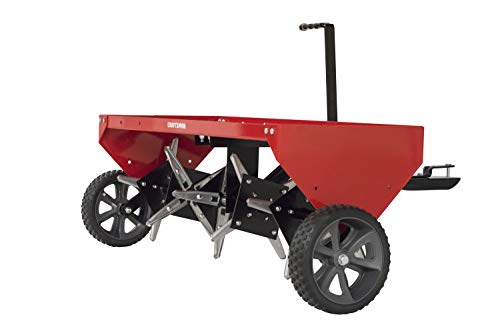
- 40 inch tow behind plug aerator
- 24 galvanized steel coring points, plugs up to 3 inches deep
- Weight tray holds up to 140 lb of ballast
- Flat free tires and lift handle release for transport
- Stores vertically; 3 year limited warranty
Why We Picked It
If your property mixes moderate slopes with larger flat areas, a tow behind plug aerator saves hours of walking. The Craftsman pulls plugs up to 3 inches deep with 24 galvanized coring points, and the weight tray takes up to 140 lb of ballast so the tines keep biting on firm, sloped soil.
Use it only on grades your tractor or riding mower is rated for, and follow the machine maker's slope guidance, usually driving straight up and down rather than across. The flat free tires and lift handle make it easy to raise the tines for transport, and it stores upright against a garage wall. It is the right tool for core aerating larger lawns with a riding mower where hills are gentle.
Pros
- True core plugs over a 40 inch width
- Big weight tray for hard soil
- Flat free tires and upright storage
Cons
- Needs a lawn tractor or riding mower
- Not safe on slopes beyond your tractor's limits
Who Should Buy It
Owners of larger properties with moderate grades and a capable lawn tractor. It sells for around $300.
3. Landzie 42 Inch Hollow Tine Core Aerator: Best Value
- Three stainless steel hollow tines
- Beveled, clog free tines that eject soil plugs
- 42 inch fork style tool
- Arrives with tines fitted; prongs remove for cleaning
Why We Picked It
For the steepest banks, where even pushing a rolling aerator feels risky, a stand on core fork is the safest choice. You plant your feet, step on the Landzie, pull it out and move on. The three hollow tines pull real plugs and push old cores up and out, so you are not stopping every few steps to clear them.
It is slower than a rolling or tow behind aerator, but for spot work on hillsides, compacted paths across a slope or the areas around trees and beds, it is ideal. It arrives ready to use, and the prongs come off for cleaning. At this price, it is also a smart companion to a tow behind unit for the spots a tractor should not go.
Pros
- Safest option on very steep ground
- Clog resistant hollow tines
- Low price, no assembly
Cons
- Slow for large areas
- Requires repeated stepping effort
Who Should Buy It
Gardeners with small but steep slopes, or anyone who needs to aerate spots machines cannot reach. It costs around $85.

Working on Hills and Uneven Terrain
Traction and Footing
Wear boots with good grip and aerate when the soil is moist but not slick. Manual tools let you stop and reset your stance whenever needed.
Weight Balance and Stability
Weight trays help tines dig, but extra weight also makes a tow unit harder to control on a grade. Add ballast gradually and stay within your tractor's limits.
Safety on Slopes
Never take a riding mower and aerator onto a slope steeper than the mower's manual allows. For the steepest areas, switch to a manual tool. Our answer to is a lawn aerator worth it helps you decide when to hire a pro instead.
How to Choose an Aerator for Sloped Lawns
Match the tool to the steepness and size of your slope. If you are still asking which lawn aerator is best for steep hills, the points below will narrow it down.
Core (Plug) vs Spike Aeration
Core aerators remove plugs of soil and truly relieve compaction. Spike aerators just poke holes and can compact the sides of each hole. On hills, where water runoff is the main problem, core aeration is far more effective.
Manual, Tow Behind or Powered
Manual rolling and fork aerators are safest on steep ground. Tow behind units cover big, gentle areas quickly. Powered walk behind core aerators work well on moderate slopes but are usually rented.
Working Width and Tine Depth
Wider tow units cover more ground per pass but are harder to handle on grades. Deeper plugs, around 2 to 3 inches, give the best results.
Weight and Ballast Tray
Hard, dry hillside soil resists tines. Water the slope a day before aerating so cores pull easily without needing heavy ballast.
Soil Type Suitability
Clay slopes compact the most and benefit most from coring. Our best lawn aerator for clay soil picks cover heavy ground in more depth.
FAQs About Lawn Aerators for Steep Hills
Can a lawn aerator be used for steep hills?
Yes, but choose the type carefully. Manual rolling core aerators and stand on fork aerators are safe on steep slopes because you control every step. Tow behind aerators should only be used on grades your tractor is rated for, usually driving up and down rather than across the hill.
How long does a lawn aerator last?
Steel tow behind and manual aerators can last many seasons with basic care. Tines and coring knives wear with use, especially in rocky soil, so check them each season and replace worn parts as needed.
Is a lawn aerator worth the money?
For sloped lawns, usually yes. Aeration reduces runoff, helps seed and fertilizer reach the roots and thickens grass on hillsides. Owning a manual aerator also costs less over a few years than repeated rentals.
How much should I spend on a lawn aerator?
Manual core forks cost around $70 to $90, rolling manual core aerators about $190 to $260 and tow behind plug aerators roughly $270 to $400. Compare more in our best lawn aerator guide or see where to buy a lawn aerator.
How do I maintain a lawn aerator?
Knock out soil plugs after each use, rinse and dry the tines and oil moving parts before storage. Check for bent or dull tines and tighten bolts each season.
Final Verdict
The K.D Stonedge rolling core aerator is our top pick for most sloped lawns, the Craftsman 40 inch tow behind plug aerator is the runner up for gentler grades and big areas, and the Landzie fork is the value choice for the steepest banks. Whichever best lawn aerator for steep hills fits your yard, check today's price on Amazon, and see our best lawn aerator for heavy duty use picks for tougher jobs.


