
Best Robot Vacuums for Dust (2026): 3 Top Rated Picks Worth Buying
Disclosure: We may earn a commission when you buy through links on this page, at no extra cost to you. As an Amazon Associate I earn from qualifying purchases. Learn more

The best robot vacuum for dust keeps fine debris sealed away: a HEPA Shark, a budget bagged Roborock and a premium Narwal with 120 day storage.
Dust never really stops. It settles on hard floors a day after you clean, works its way deep into rugs and drifts into corners where a quick sweep never reaches. If anyone at home deals with sneezing, itchy eyes or a stuffy nose, that layer of fine debris becomes more than a cosmetic problem. The best robot vacuum for dust runs on a schedule, pulls fine particles from carpet and hard floors, and seals what it collects so it does not puff back into the air when the bin is emptied.
We compared listed specs, verified owner feedback on Amazon, expert reviews and price against value to narrow the field. Our three picks are a Shark with HEPA filtration and a sealed self emptying base, a budget Roborock with a bagged dock, and a premium Narwal that stores up to 120 days of dust.

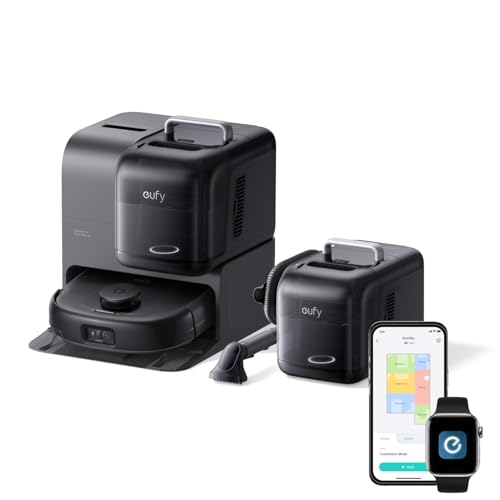
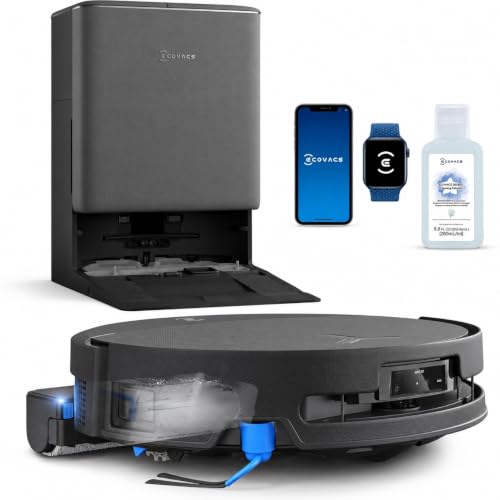
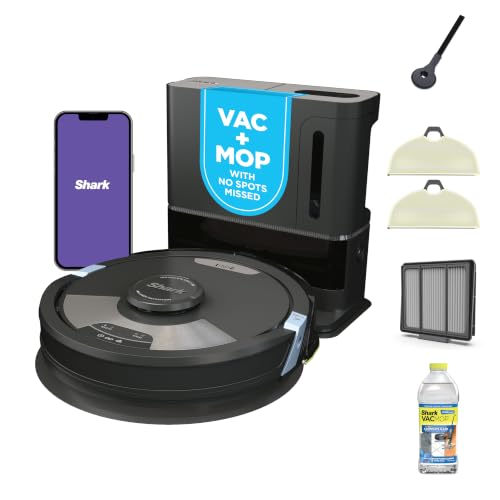

Our Top 3 Picks at a Glance
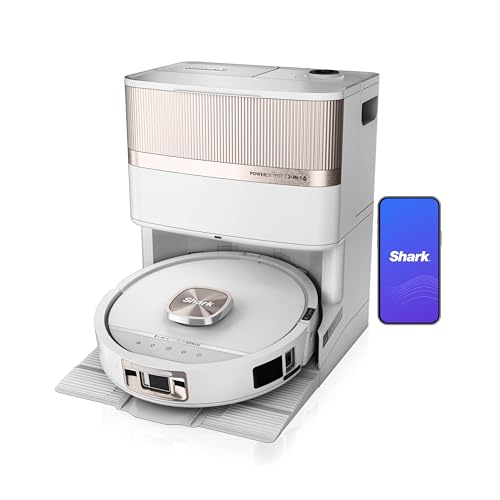
- Best Overall: Shark PowerDetect UV Reveal Robot Vacuum and Mop AV3000XE (around $1,300). HEPA filtration, an Anti-Allergen Complete Seal and a base that empties itself for up to 60 days.
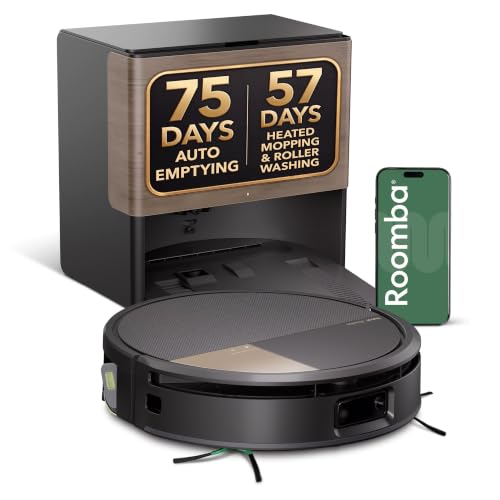
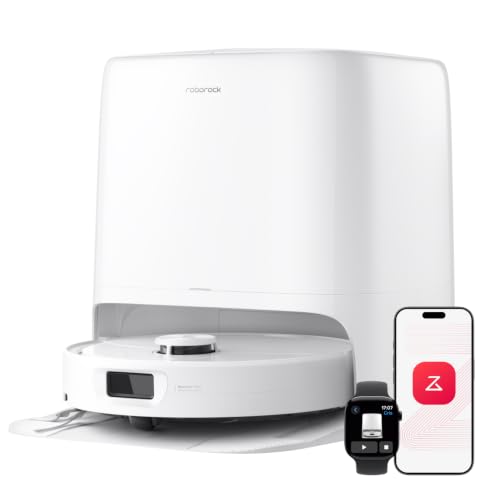
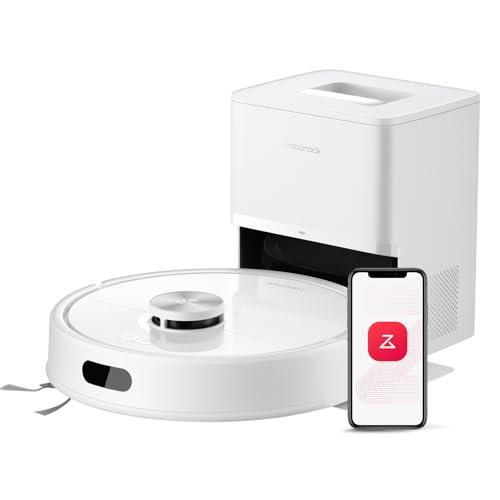
- Best Value: Roborock Q7 M5+ Robot Vacuum and Mop (around $250). LiDAR mapping and a sealed 2.7L dust bag in the dock for a fraction of flagship money.
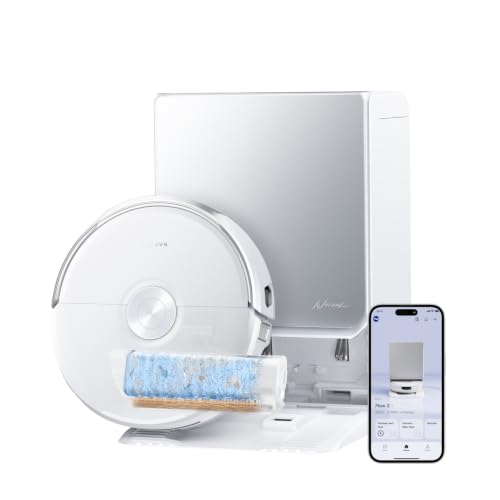
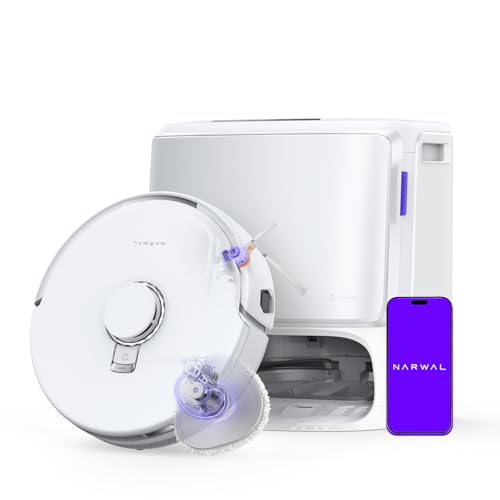
- Best Premium Pick: NARWAL Flow 2 Robot Vacuum and Mop Combo (around $1,500). 31,000Pa suction, dual camera object recognition and up to 120 days of dust storage.
How We Chose the Best Robot Vacuum for Dust
We focused on what matters when fine dust is the main enemy: suction strength, filtration and how the dock contains debris. Each robot was judged on performance for this job, owner ratings and review volume, price against features, build quality and warranty, and current availability on amazon.com. Self emptying docks earned extra weight, because every manual bin dump releases a small cloud of the exact particles you are trying to remove.
Robot Vacuum for Dust Reviews
1. Shark PowerDetect UV Reveal Robot Vacuum and Mop AV3000XE: Best Overall
- ThermaCharged NeverTouch Pro base: up to 60 days of automatic emptying
- HEPA filtration and Anti-Allergen Complete Seal
- UV light to reveal hidden sticky spills and dried messes
- Advanced edge detection for corners on floors and carpets
- NeuroNav AI with RGB sensors, lasers and an UltraRange camera
- Up to 3 hours of runtime (Shark tested on bare floors)
Why We Picked It
For a dust focused home, the filtration story matters more than any suction number, and this is where the Shark stands out. Its base pairs HEPA filtration with an Anti-Allergen Complete Seal, so the debris it pulls from the robot stays inside rather than leaking back into the room. Up to 60 days of hands free emptying also means you rarely touch the collected dirt at all.
The robot itself reaches into corners with advanced edge detection, which is where dust tends to pile up. NeuroNav AI combines RGB sensors, lasers and a camera to map the home and steer around toys and cords. The base also washes the mop with 185°F water and dries it with 175°F air, so the mopping pass picks up the fine film that a vacuum alone leaves behind on hard floors. It suits carpet heavy and pet homes that want low maintenance cleaning.
Pros
- HEPA filtration with a sealed base for allergy friendly emptying
- UV light helps it find messes that are hard to see
- Hot water mop washing and hot air drying
- Long runtime for larger floor plans
Cons
- One of the pricier robots in this guide
- The all in one base needs a fair amount of floor space
Who Should Buy It
Choose this Shark if allergies are the main reason you want a robot and you would rather never open a dusty bin again. At around $1,300 it costs real money, but it covers vacuuming, mopping and sealed emptying in one machine.

2. Roborock Q7 M5+ Robot Vacuum and Mop: Best Value
- 10,000Pa HyperForce suction
- RockDock Plus with a sealed 2.7L dust bag (7 to 9 weeks between changes)
- PreciSense LiDAR navigation with real time mapping
- JawScrapers main brush and anti tangle side brush
- Vacuum and mop in one pass with three water flow settings
- App schedules, spot cleaning and no go zones
Why We Picked It
Self emptying used to be a luxury feature, and the Q7 M5+ brings it down to an affordable price. Its dock pulls debris into a sealed 2.7L bag, and a bagged system is one of the cleanest ways to dispose of dust: you lift out the full bag and throw it away without dumping loose particles into a trash can. That makes it a strong best mapping robot vacuum for dust option for budget shoppers.
PreciSense LiDAR builds an accurate map so the robot covers each room in neat rows rather than bouncing around and missing patches. Roborock says the combined vacuum and mop pass captures fine dust that vacuuming alone can leave behind, and you can adjust water flow in three steps. It suits vacuum first homes that want cheap self emptying.
Pros
- Affordable self emptying dock
- Reliable LiDAR navigation and room mapping
- Bagged dock keeps dust contained at disposal time
- Rubber brush design resists hair wrap
Cons
- No mop washing in the dock
- No camera based obstacle recognition listed, so tidy up cords first
- Replacement dust bags are an ongoing cost
Who Should Buy It
Pick the Q7 M5+ if you want a robot that empties itself into a sealed bag and you would rather spend around $250 than four figures. It is a sensible first robot for apartments and small houses.
3. NARWAL Flow 2 Robot Vacuum and Mop Combo: Best Premium Pick
- 31,000Pa suction with a dual zero tangle brush system
- All in one dock: up to 120 days of dust storage
- FlowWash track mop that washes itself with fresh water while cleaning
- Dual cameras with AI object recognition
- CarpetFocus sensors boost suction on rugs and lift the mop 10mm
- Smart light bar for status at a glance
Why We Picked It
The Flow 2 is built for people who want the least possible contact with dirt. With 31,000Pa of suction it lifts dust, crumbs and hair from both hard floors and carpets, and CarpetFocus lowers a roller cover to boost suction once the robot reaches a rug. The dock stores debris for up to 120 days, so emptying becomes a rare chore.
Narwal also rethought the mop. Instead of dragging a dirty pad around the house, the FlowWash track mop is washed with fresh water in real time, which helps it lift the fine film of dust that settles on hard floors. Dual cameras recognize shoes, cables and pet bowls, making it a capable best app controlled robot vacuum for dust for busy homes with pets and kids.
Pros
- Very high suction for fine debris on carpet and hard floors
- Longest dust storage window in this guide
- Self washing mop keeps dirty water off your floors
- Smart object recognition reduces snags
Cons
- Premium price
- A newer model with a smaller pool of owner feedback so far
Who Should Buy It
Go with the Flow 2 if you want flagship suction, smart navigation and months between emptying, and around $1,500 fits your budget. It is best for larger homes with mixed floors.

What Allergy Sufferers Should Look for in a Robot Vacuum
Shoppers hunting for the best robot vacuum for allergies should look past the suction headline and check how the machine holds onto what it collects.
True HEPA vs HEPA type filters
A true HEPA filter is built to trap very fine particles such as pollen and dust mite debris. "HEPA type" or "HEPA style" wording can mean a lower grade filter, so read the listing carefully and replace filters on the schedule the maker recommends.
Sealed systems that stop leaks
A great filter does little if air escapes around it. Sealed designs, like the Anti-Allergen Complete Seal on the Shark, force air through the filter instead of letting dust leak out through gaps.
Hygienic emptying and bagged options
Self emptying docks with disposable bags are the cleanest choice for sensitive noses. You remove a closed bag every few weeks instead of tapping a small bin over the trash every day.
How to Choose the Best Robot Vacuum for Dust
Once filtration is covered, a few more features decide how well a robot keeps up with dust day after day. If you want a broader look at the category, our guide to the best robot vacuum covers top models for every home.
Suction Power (Pa) and Brush Design
Suction is listed in pascals (Pa). Around 10,000Pa handles hard floors and low rugs well, while 20,000Pa and above helps on thicker carpet where fine dust sinks deep. Brush design matters just as much: rubber or anti tangle brushes keep hair from wrapping and blocking airflow. Homes with shedding animals should also read our picks for the best robot vacuum for pet hair.
Navigation: LiDAR, Camera and Obstacle Avoidance
A robot that misses a room cannot clean it. LiDAR builds a precise map and cleans in straight lines, which is why the best lidar robot vacuum for dust tends to cover floors more evenly than a random bounce model. Cameras add object recognition, so the robot can steer around socks, cables and pet bowls instead of getting stuck.
Self Emptying and Self Cleaning Docks
A self emptying dock is the single most useful feature for dust control, because it limits how often you handle debris. Bagged docks contain dust best. Full docks that also wash and dry the mop cost more but save the most effort.
Mopping System and Carpet Detection
Fine dust on hard floors often needs a damp pass to lift completely. Look for carpet detection that lifts the mop or avoids rugs so carpets stay dry. If most of your home is wood, see our list of the best robot vacuum for hardwood floors.
Battery Runtime and Recharge and Resume
Runtime decides whether a robot finishes the whole house on one charge. Recharge and resume lets it top up at the dock and continue where it stopped, which matters in larger homes.
App, Mapping and Smart Home Features
Good apps let you schedule daily runs, set no go zones and send the robot to a single dusty room. Daily scheduled cleaning is the real secret to lower dust levels, since debris never has time to build up.
FAQs About Robot Vacuums for Dust
Can a robot vacuum be used for allergies?
Yes. A robot vacuum helps with allergies because it can run every day and keep dust, pollen and pet dander from building up. Choose a model with HEPA filtration and a sealed or bagged self emptying dock so particles stay trapped instead of escaping when the bin is emptied.
How long does a robot vacuum last?
Most robot vacuums last several years with regular care. Batteries, brushes and filters wear out first, and they are usually replaceable. Clean the brushes, empty the bin or bag on time and replace the filter as recommended to keep suction strong and extend the life of the robot.
Is a robot vacuum worth the money?
For most busy homes it is, especially when dust is a constant problem. A robot cleans on a schedule without effort, which keeps floors cleaner day to day. It will not replace deep cleaning entirely, so read our breakdown of is a robot vacuum worth it before you decide.
How much should I spend on a robot vacuum?
Plan on around $250 to $500 for a solid LiDAR robot with a self emptying dock. Spending $1,000 or more adds mop washing, camera obstacle recognition and stronger suction. Allergy sufferers get the most value from sealed filtration and bagged docks, which appear at several price levels.
How do I maintain a robot vacuum?
Remove hair from the main and side brushes every week or two, wipe the sensors and replace the dock bag when full. Swap the filter on the maker's schedule. If you are still shopping, our guide on where to buy a robot vacuum explains warranty and return options.
Final Verdict
The Shark PowerDetect UV Reveal AV3000XE is our top choice, thanks to HEPA filtration, a sealed base and up to 60 days of hands free emptying. The Roborock Q7 M5+ is the value pick for anyone who wants a bagged self emptying dock at a modest price, while the NARWAL Flow 2 suits buyers who want flagship suction and 120 days of dust storage. Whichever best robot vacuum for dust fits your home, check today's price on Amazon before you buy.


