
How Does a Fertilizer Spreader Work: Expert Tips and Step by Step Guide
Disclosure: We may earn a commission when you buy through links on this page, at no extra cost to you. As an Amazon Associate I earn from qualifying purchases. Learn more
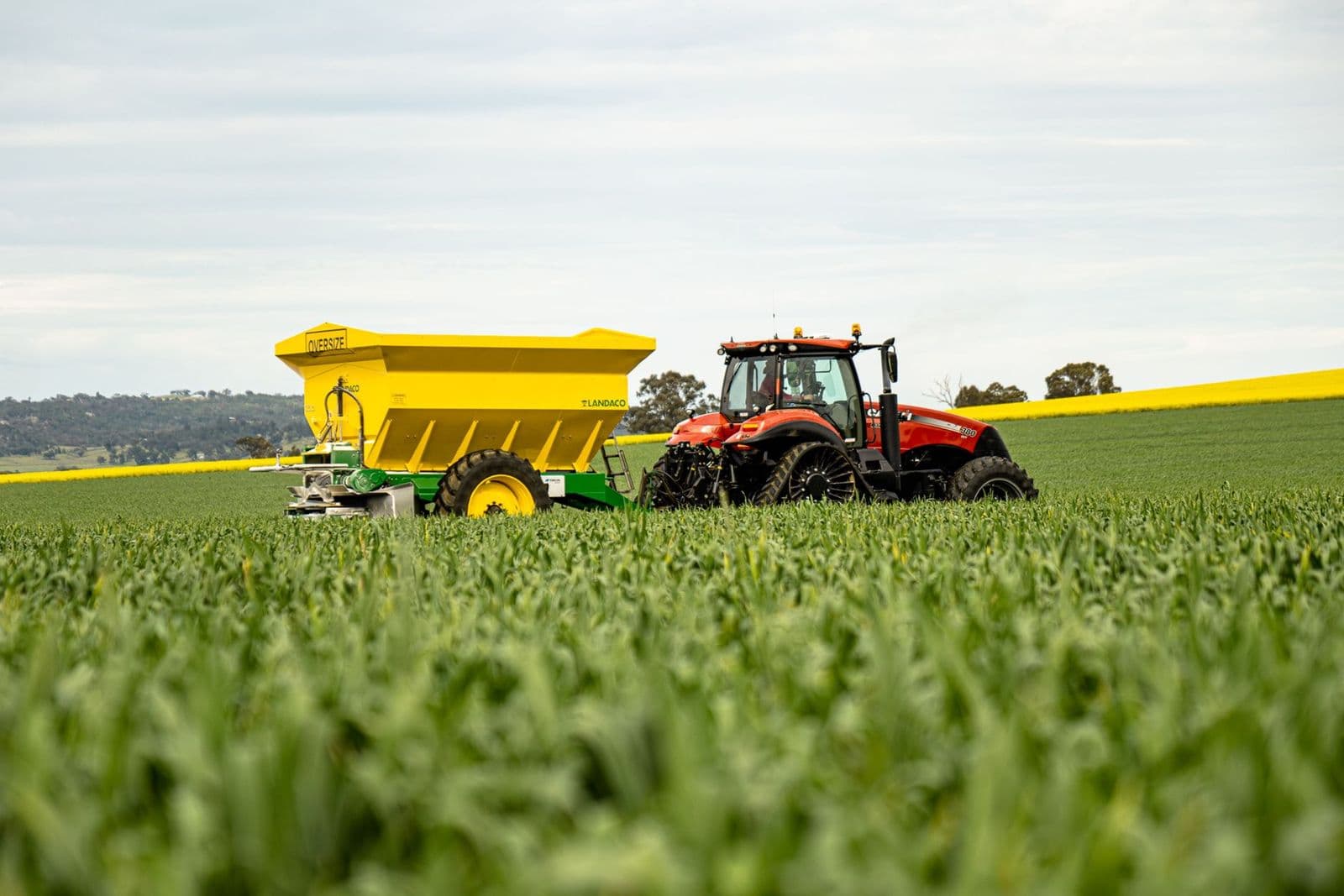
How does a fertilizer spreader work? The hopper, flow gate, rate dial and spinning plate explained, plus spreader types and uses.
How does a fertilizer spreader work? Granular fertilizer sits in a hopper, flows through an adjustable opening at the bottom, and is either flung outward by a spinning plate (a broadcast spreader) or dropped straight down in a band (a drop spreader). On push models, the turning wheels drive the mechanism, so the faster you walk, the faster the product spreads. A rate setting controls how wide the opening is, which decides how much product lands on each square foot.
Below we break down the parts, how they work together, the main types and how to decide if one belongs in your shed.
What Is a Fertilizer Spreader?
A fertilizer spreader is a lawn tool that distributes dry, granular material evenly over turf or garden soil. Spreading by hand almost always leaves streaks: dark green stripes where too much landed and pale patches where too little did. A spreader meters the flow so coverage stays consistent from one side of the yard to the other.
The same tool handles more than lawn fertilizer. Most spreaders also apply grass seed, pelleted lime, granular weed and feed products, insect control granules and ice melt in winter. Sizes range from small handheld units that hold a few pounds to push models for typical suburban lawns and tow behind spreaders that hitch to a riding mower or garden tractor for acreage. Whatever the size, the goal is the same: put down the right amount of product, in the right place, without waste.
How Does a Fertilizer Spreader Work?
Every spreader is built from a handful of parts that work together:
- Hopper: the bin that holds the granules. Capacity is measured in pounds and determines how much area you can cover before refilling.
- Flow gate: an adjustable opening at the base of the hopper. Opening it wider lets more product fall through.
- Rate control: a numbered dial or lever that sets the gate opening. Fertilizer bags usually list a setting for common spreader brands.
- On and off control: a bail or lever on the handle that opens and closes the gate so you can stop the flow when you turn or pause.
- Wheels and gears: on push and tow models, the wheels turn an axle connected to the spinning plate or agitator.
- Impeller or agitator: broadcast spreaders have a spinning plate with fins that throws granules outward. Drop spreaders use an agitator bar that keeps granules moving through holes in the bottom.
When you push a broadcast spreader, the wheels turn the gears, which spin the impeller beneath the hopper. Granules fall through the open gate onto the plate and are thrown in a wide arc, often several feet to each side. Because the plate's speed depends on your walking speed, a steady pace gives an even pattern. A drop spreader works more simply: granules fall straight through openings across the width of the hopper, landing only between the wheels for precise, contained coverage.
Handheld spreaders use the same idea with a hand crank or a small battery motor turning the plate, which makes them handy for small yards and touch ups.
What Is a Fertilizer Spreader Used For?
So, what is a fertilizer spreader used for? Mainly feeding lawns, but it is just as useful for overseeding thin turf, applying weed and feed, spreading lime to correct soil pH and laying down ice melt on walkways. The best type depends on your yard.
Hills and Uneven Terrain
Slopes make even coverage harder because a walker naturally speeds up going downhill and slows going up. Broadcast spreaders with large pneumatic wheels roll more smoothly over bumps, and walking across a slope rather than up and down helps keep your pace steady.
Large Yards
On a big lawn, a broadcast spreader covers a wide strip with each pass, saving a lot of walking. Tow behind models pulled by a riding mower or tractor cover acreage even faster and hold more product.
Small Yards
For compact lawns, a handheld broadcast spreader or a small drop spreader is easier to store and gives good control near flower beds, patios and fences. Our guide to the best fertilizer spreader for small yards covers compact models.
Vegetable Gardens
In gardens, precision matters more than speed. A drop spreader or handheld unit puts fertilizer or cover crop seed exactly where you want it, between rows and away from paths, without throwing granules onto leaves.
Types of Fertilizer Spreaders
Broadcast (rotary) spreaders are the most common. They throw product in a wide fan, cover ground quickly and forgive small overlaps. Many include an edge guard that blocks one side of the spray to keep fertilizer out of beds, driveways and storm drains.
Drop spreaders release product straight down between the wheels. They are slower because each pass is narrow, but they are very accurate. Each pass must slightly overlap the last to avoid stripes, and they are a good choice near gardens and water.
Handheld spreaders are small broadcast units operated by a crank or battery. They are inexpensive and ideal for small lawns, spot repairs and spreading ice melt on steps.
Tow behind spreaders are large broadcast models that hitch to a riding mower, lawn tractor or ATV. They suit properties of an acre or more.
Liquid hose end sprayers are a different tool altogether, used for liquid fertilizers that attach to a garden hose rather than granules.
How to Use a Fertilizer Spreader Step by Step
- Read the label. Find the recommended setting for your spreader and the coverage per bag.
- Fill on a hard surface. Close the gate, then fill the hopper over a driveway or tarp so spills are easy to sweep up.
- Set the rate. Turn the dial to the label setting, or slightly lower if you plan two passes.
- Do the perimeter first. Make a header strip around the edges, using the edge guard on a broadcast model.
- Walk the middle in rows. Open the gate only once you are moving, keep a steady pace and overlap passes as the maker suggests.
- Close the gate to turn. Shut it at the end of each row so product does not pile up.
- Clean up. Sweep granules off hard surfaces back onto the lawn, then rinse and dry the spreader.
Pros and Cons
Pros:
- Even coverage that prevents stripes and burned patches
- Faster than spreading by hand, especially on larger lawns
- Less waste, since the rate setting matches the product label
- Works for seed, lime, weed control and ice melt as well as fertilizer
Cons:
- Broadcast models can throw granules onto hard surfaces and beds without an edge guard
- Drop spreaders are slow and can leave stripes if passes do not overlap
- Calibration and settings vary by brand and product
- Needs cleaning after use to prevent corrosion and clogs
Is a Fertilizer Spreader Right for You?
If you fertilize, seed or treat your lawn more than once a year, a spreader quickly earns its place. It saves product, saves time and gives a more even, healthier looking lawn. Homeowners with a typical suburban yard usually do best with a push broadcast spreader, while those with small yards or many garden beds may prefer a handheld or drop model.
If you only treat a tiny patch of grass once a year, a handheld spreader may be all you need. For help choosing, see our picks for the best fertilizer spreader for homeowners and our guide on how much does a fertilizer spreader cost.
Frequently Asked Questions
Which setting should I use on my fertilizer spreader?
Start with the setting printed on the product bag for your spreader brand. If your model is not listed, use the maker's chart or calibrate it by spreading a measured amount over a known area. When unsure, use a lower setting and make two passes in perpendicular directions for even coverage.
Is a fertilizer spreader worth buying?
Yes, for most homeowners who treat their lawn regularly. A spreader prevents the stripes and burned spots that hand spreading causes, reduces waste and works for seed, lime and ice melt too. Basic models are affordable, and you can find them at many retailers; see where to buy a fertilizer spreader.
How long does a fertilizer spreader last?
With good care, a quality spreader can last many seasons. Fertilizer is corrosive, so rinse the hopper, gate and gears after each use, let it dry fully and store it out of the weather. Models with plastic hoppers and stainless parts tend to resist corrosion best.
Final Thoughts
Understanding how does a fertilizer spreader work makes it much easier to get even, healthy results: set the right rate, walk at a steady pace, overlap correctly and clean the spreader afterward. When you are ready to buy, compare our picks for the best fertilizer spreader.


