
How Much Does a Fertilizer Spreader Cost in 2026? Real Price Ranges Explained
Disclosure: We may earn a commission when you buy through links on this page, at no extra cost to you. As an Amazon Associate I earn from qualifying purchases. Learn more

How much does a fertilizer spreader cost? Prices for handheld, broadcast, drop and tow behind spreaders, plus running costs and savings.
How much does a fertilizer spreader cost? For most homeowners, between about $40 and $100. Handheld spreaders cost around $10 to $60, walk behind broadcast and drop spreaders for typical lawns run around $60 to $120, and heavy duty commercial push or tow behind models cost around $150 to $330, with professional units going higher.
What you should pay depends on lawn size, how often you feed or seed and how precise you need to be along beds and driveways. Below are typical prices by type, the features that raise the cost, ongoing expenses and smart ways to save.

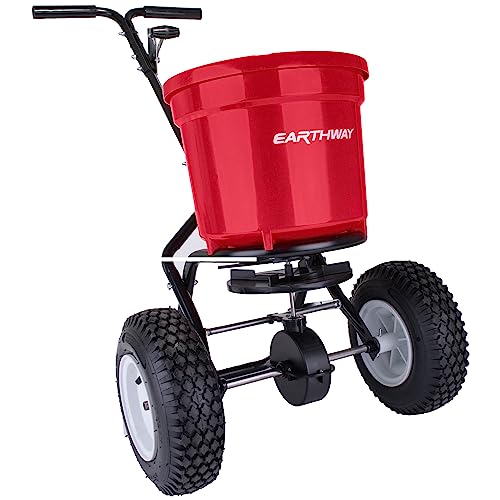
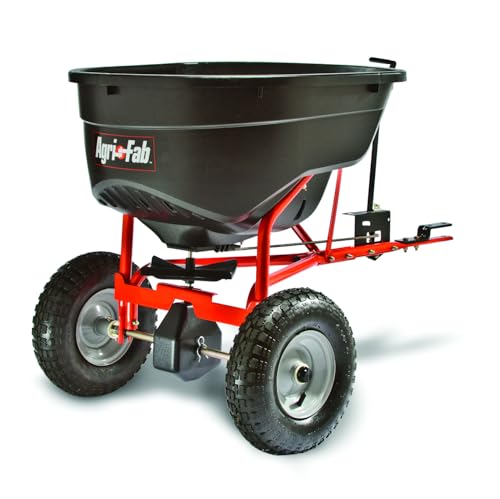
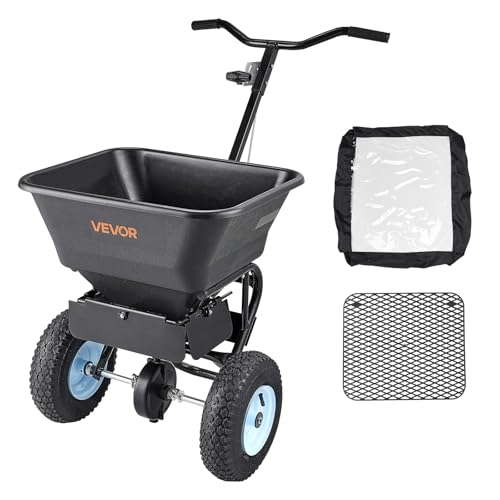

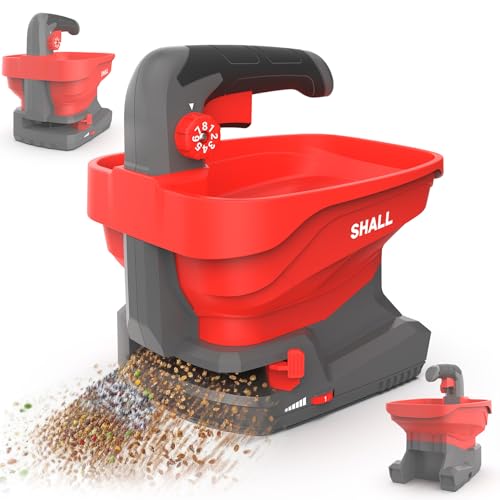
How Much Does a Fertilizer Spreader Cost? Average Prices in 2026
The type of spreader matters far more than the brand. This table shows typical ranges for new spreaders on Amazon and in major stores.
| Spreader type | Typical price | Best for |
|---|---|---|
| Handheld (crank or battery) | around $10 to $60 | Small lawns, patches, ice melt on steps |
| Walk behind broadcast | around $60 to $120 | Most suburban lawns |
| Walk behind drop | around $60 to $100 | Precise application near beds and edges |
| Commercial push broadcast | around $170 to $300 | Large lawns, frequent use |
| Tow behind broadcast or drop | around $150 to $330 | Acreage with a riding mower or ATV |
| Professional high wheel | around $700 and up | Lawn care pros and very large properties |
Across all types, entry level spreaders start around $40, typical mid range walk behind models sit around $100 and premium heavy duty spreaders run around $200 and up. A $20 handheld can feed a small front yard, while a half acre lawn is far easier with a walk behind broadcast model.
Lawn size is the quickest way to set a budget. Lawns under about 2,000 square feet are fine with a handheld. Lawns of 5,000 to 15,000 square feet suit a walk behind broadcast spreader, and properties of an acre or more justify a tow behind model.
How often you spread matters too. If you only feed the lawn once or twice a year, a basic model is easy to justify. If you seed, fertilize, apply weed control and spread ice melt through the winter, a sturdier spreader pays off because it handles more product and lasts longer under regular use.
What Affects the Price
Several design choices explain why one spreader costs three times another.
Broadcast vs Drop vs Handheld
Broadcast spreaders fling granules in a wide arc, covering ground quickly, and are the most popular for lawns. Drop spreaders release product straight down between the wheels for precise coverage with no overspray, but they take more passes. Handheld spreaders are the cheapest and best for small areas. Battery powered handhelds cost more than crank models but spread more evenly with less effort.
Hopper Capacity
Hoppers range from a few pounds on handhelds to 50 to 130 pounds on push and tow behind spreaders. Bigger hoppers mean fewer refills on large lawns but add cost, weight and frame strength. Keep in mind that a full 50 pound hopper is heavy to push, so pneumatic tires and a solid handle become more important as capacity grows.
Coverage Area
Makers often list how many square feet a full hopper covers, from about 1,500 square feet for small handhelds to 15,000 square feet for popular broadcast models. Wider spread patterns and larger hoppers cover more ground per load and push the price up.
Edge Guard and Calibration
Edge guards block one side of the spread so fertilizer does not land on driveways, sidewalks or flower beds. Precise rate settings, sturdy gears, pneumatic tires and rust resistant frames also raise the price, but they make application more accurate and the spreader longer lasting.
Power is another factor. Most push spreaders use the wheels to drive the spinner, so speed changes the spread width. Battery handhelds and 12 volt ATV spreaders use a motor for a steadier pattern, and that motor adds to the price.
Hidden and Ongoing Costs
The spreader itself is usually the smallest part of lawn feeding costs. Plan for these as well:
- Fertilizer and seed: several applications a year cost far more than the spreader.
- Wasted product: poor calibration can over apply, burning grass and costing extra product.
- Repairs: gears, agitators and tires wear out, especially if salt or fertilizer is left in the hopper.
- Batteries: battery powered handhelds may need new batteries over time.
- Storage and cleaning: rinsing and drying after each use prevents corrosion that shortens life.
Good technique protects both your lawn and your wallet. Our guide on how to use a fertilizer spreader explains setting the rate, overlapping passes and cleaning up.
Is a Cheap Fertilizer Spreader Good Enough?
For small lawns, a cheap handheld or basic walk behind spreader is often all you need. If you fertilize two to four times a year on a modest yard, a simple model with clear rate settings will do the job well.
Cheap spreaders show their limits on large lawns and frequent use. Small hoppers mean constant refills, plastic gears can strip and uneven spread patterns leave stripes of green and pale grass. If your lawn is large or you also spread salt in winter, a sturdier model with an edge guard is worth the extra money. Accurate coverage also saves fertilizer, which can offset part of the higher price within a few seasons. Our picks for the best fertilizer spreader for small yards focus on value for compact lawns.
How to Save Money on a Fertilizer Spreader
- Shop the off season: late summer and winter often bring lower prices on lawn equipment.
- Watch Amazon deals: price drops on popular broadcast spreaders are common before spring feeding season.
- Consider refurbished or open box: lightly used spreaders can save money if all parts are included.
- Buy one spreader for all seasons: a model rated for seed, fertilizer, salt and ice melt replaces several tools.
- Match the size to your lawn: do not pay for a large hopper you will never fill.
It also helps to think in cost per year. A $100 spreader that lasts eight seasons costs less per year than a $40 model you replace every two springs, especially once you count the fertilizer wasted by an uneven spread. Spending a little more on a well built, accurate spreader is often the cheaper choice over time.
To compare stores and support options, see where to buy a fertilizer spreader.
Frequently Asked Questions
Is it cheaper to buy a fertilizer spreader online?
Usually, yes. Online stores like Amazon carry more models, show owner reviews and often discount spreaders before peak season. Local garden centers may bundle a spreader with fertilizer, so compare both. Check shipping costs for larger push or tow behind models.
How long does a fertilizer spreader last?
A well cared for spreader can last many seasons. Rinsing the hopper and gears after each use, drying it and storing it indoors prevent the corrosion that ruins most spreaders. Models with metal frames and sealed gears tend to outlast basic plastic builds.
Do I need a broadcast or a drop spreader?
Choose a broadcast spreader for speed on open lawns and a drop spreader for precise work near beds, gardens and water. Many homeowners pick a broadcast model with an edge guard to get both speed and control.
Can I use a fertilizer spreader for grass seed and ice melt?
Yes, most broadcast and handheld spreaders are rated for seed, fertilizer, salt and ice melt. Adjust the rate setting for each product, and rinse the spreader well after spreading salt, since salt corrodes gears and frames quickly.
Final Thoughts
How much does a fertilizer spreader cost depends mostly on type and lawn size: around $10 to $60 for handhelds, around $60 to $120 for walk behind spreaders and around $150 or more for heavy duty and tow behind models. Size the spreader to your lawn, then compare our picks for the best fertilizer spreader. Homeowners with medium lawns can also check the best fertilizer spreader for homeowners.


