
How to Use a Fertilizer Spreader the Right Way: Easy Step by Step Guide
Disclosure: We may earn a commission when you buy through links on this page, at no extra cost to you. As an Amazon Associate I earn from qualifying purchases. Learn more

How to use a fertilizer spreader for an even lawn: set the rate, fill on a hard surface, walk overlapping passes and clean up.
Here is how to use a fertilizer spreader in short: set the spreader to the rate on the fertilizer bag, fill the hopper on a driveway or tarp, then walk the lawn at a steady pace in straight, slightly overlapping passes, opening the hopper only while you are moving. Start with a header strip around the edges, close the hopper at every turn, and sweep up any granules that land on hard surfaces.
Done right, a spreader gives an even, green lawn without stripes, burned patches or wasted product. This guide covers the prep, a clear step by step process for broadcast and drop spreaders, pro tips for better results and the common mistakes that cause streaks and scorched grass.

Before You Start: Safety and Prep
Start by reading the fertilizer label. It tells you the application rate, the recommended spreader settings for popular brands, when to water and how long kids and pets should stay off the lawn. Lawn products are chemicals, so wear gloves, closed shoes, long pants and eye protection, and wash your hands afterward.
Check the weather. Apply on a calm day so granules do not drift, and avoid spreading right before heavy rain, which can wash fertilizer into storm drains. Many products work best on dry grass with light rain or watering planned afterward, but follow the label for your product.
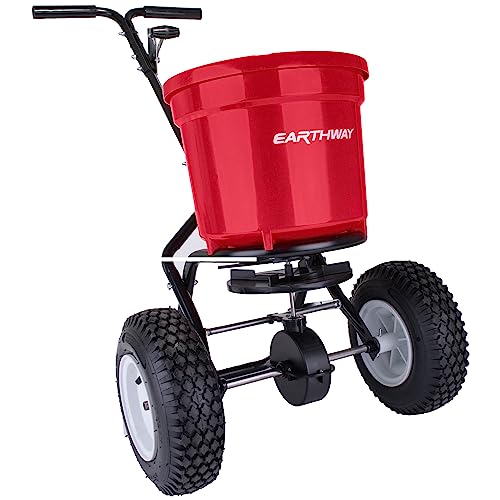
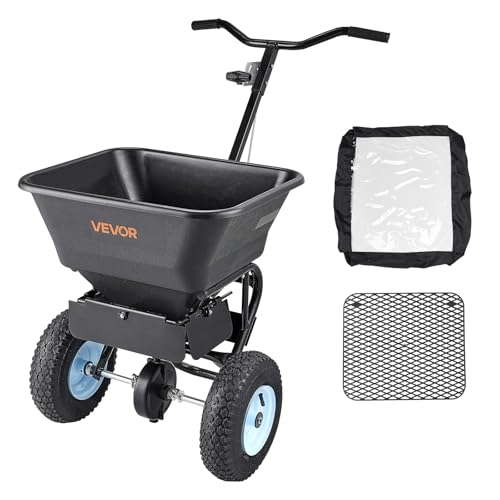
Mow the lawn a day or two before and remove toys, hoses and debris. Measure your lawn area roughly, length times width for each section, so you know how much product you need. Finally, know your spreader type. A broadcast or rotary spreader throws granules in a wide arc and covers big lawns quickly, while a drop spreader releases them straight down between the wheels for precise coverage near beds, walkways and water.
How to Use a Fertilizer Spreader Step by Step
Follow these steps for even coverage with either type of walk behind spreader.
Step 1: Read the manual and wear safety gear
Every spreader is a little different. Read the manual to learn how the rate dial, the on and off lever and any edge guard work. Put on gloves, eye protection and closed shoes before you handle fertilizer, and keep children and pets indoors while you work. It also helps to read the fertilizer bag once more right before you start, since rates and watering instructions vary a lot between lawn foods, weed and feed products and starter fertilizers.
Step 2: Calculate your lawn area and set the spreader rate
Find the spreader setting on the fertilizer bag for your model. If your spreader is not listed, use the manual's chart or calibrate it by spreading over a measured area. Many experts recommend setting the spreader at half the rate and covering the lawn twice in perpendicular directions, which reduces stripes.
To calibrate, measure a 1,000 square foot area, weigh a set amount of fertilizer, spread it at your chosen setting and weigh what is left. Compare the amount used with the label rate per 1,000 square feet and adjust the dial up or down. It takes a few minutes, but it is the best way to avoid burned or underfed grass with an older or unlisted spreader.
Step 3: Inspect the tool before each use
Check that the hopper is clean and dry, the impeller or drop opening is free of old caked fertilizer, the wheels turn freely and the tires are inflated if pneumatic. Make sure the on and off lever closes the hopper completely. A sticky gate or a clogged impeller is the most common cause of uneven coverage. Give the impeller a spin by hand and open and close the gate a few times to make sure everything moves smoothly before you load any product.
Step 4: Fill the hopper on a hard surface
Always fill the spreader with the hopper closed and on a driveway, patio or tarp, never on the lawn. Spills on grass create dark green or burned spots. Fill only what you need for the area, and break up any clumps so the granules flow evenly. If you have leftover product from last season that has hardened, crush it inside the bag or set it aside, since lumps block the gate and cause bare spots.
Step 5: Use proper technique and stance
Begin with a header strip: one or two passes around the perimeter of the lawn. Then walk back and forth across the lawn in straight lines at a steady, normal pace, just as you would mow. Open the hopper after you start walking and close it before you stop or turn at the header strip.
For broadcast spreaders, overlap each pass so the edges of the spread pattern just meet. For drop spreaders, overlap the wheel tracks slightly so you do not leave untreated strips. Near beds, patios and water, use the edge guard on a broadcast spreader or switch to a drop spreader.
Step 6: Close the hopper, clean and rinse
When you finish, close the hopper and empty leftover fertilizer back into its bag. Sweep or blow granules off sidewalks, driveways and patios back onto the lawn so they do not wash into drains. Rinse the spreader with water, paying attention to the impeller, gate and frame, then let it dry completely in the sun. Do not rinse it over a storm drain; a spot on the lawn is a better place to wash out leftover granules.
Step 7: Store it correctly
Store the clean, dry spreader in a garage or shed, out of the rain. Fertilizer residue attracts moisture and corrodes metal, so a light spray of lubricant on the gate linkage and axle helps. Store fertilizer bags sealed, off the floor and away from children and pets. Hanging the spreader or keeping it upright saves space and keeps tires from going flat over winter.
Pro Tips for Better Results
Split the application. Setting the spreader at half rate and making two passes at right angles produces a much more even result than one pass at full rate. Walk at the same speed the whole time, since slowing down puts down more product and speeding up puts down less.
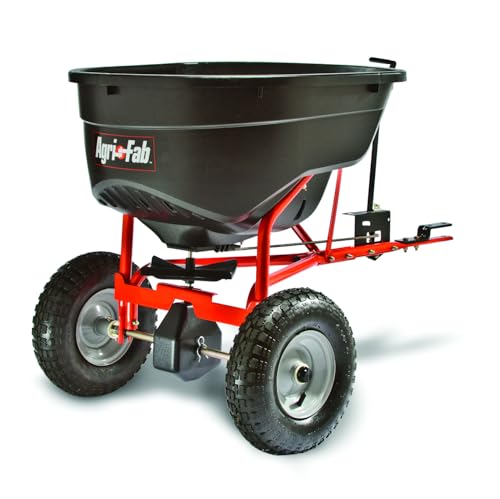
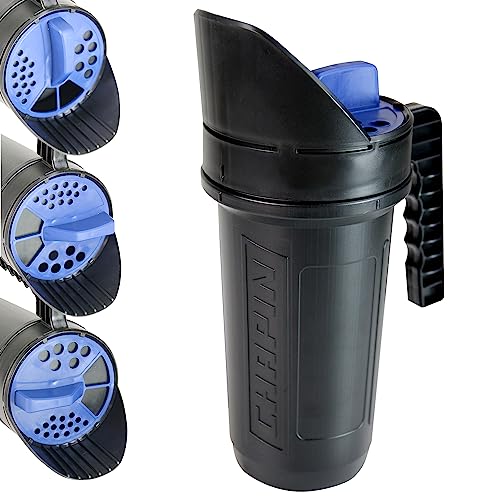
Match the spreader to the lawn. A broadcast spreader like the Scotts Turf Builder EdgeGuard DLX covers large, open lawns quickly, while a drop spreader gives precise lines along beds. Small yards are often easiest with a compact or handheld spreader; see our picks for the best fertilizer spreader for small yards. Big properties can benefit from a pull behind model.
Use the same spreader for grass seed, lime and ice melt, adjusting the setting for each product. Keep a simple log of settings, products and dates so next season is faster and you can see what worked. Water after applying if the label says to, which moves nutrients into the soil and off the grass blades. For more help choosing equipment, our guide to the best fertilizer spreader for homeowners compares popular models.
Common Mistakes to Avoid
- Filling on the lawn: spills cause burned or overly green patches.
- Leaving the hopper open when stopped or turning: product piles up in one spot.
- Skipping the header strip: turns at the edges get double doses or none.
- Wrong overlap: too little leaves stripes, too much burns grass.
- Applying on windy days or before storms: product drifts or washes away.
- Not cleaning the spreader: residue corrodes parts and clogs the gate.
- Ignoring the label rate: more fertilizer is not better and can damage the lawn.
Most of these mistakes come from rushing. Taking an extra five minutes to set the rate, fill the hopper on the driveway and lay down header strips prevents the stripes and brown spots that can take weeks to grow out. If you do spill fertilizer on the grass, scoop up as much as you can and water the spot heavily to dilute what remains.
Frequently Asked Questions
How often should I use a fertilizer spreader?
Most lawns are fertilized two to four times a year, depending on grass type, climate and the product you use. Cool season grasses usually get the main feedings in fall and spring, while warm season grasses are fed in late spring and summer. Follow the timing and rate on the fertilizer label, and use the spreader for seeding or lime as needed.
Can beginners use a fertilizer spreader safely?
Yes. Spreaders are simple tools, and beginners get great results by reading the label, setting the correct rate, filling on a hard surface and walking at a steady pace. Wear gloves and eye protection, keep kids and pets away and clean up stray granules. Starting at half rate with two passes is very forgiving.
Should I use a broadcast or drop spreader?
A broadcast spreader is faster and better for medium and large lawns because it covers a wide path. A drop spreader is slower but more precise, which helps on small lawns and near flower beds, ponds and sidewalks. Many homeowners use a broadcast spreader with an edge guard as a good middle ground.
Final Thoughts
Learning how to use a fertilizer spreader comes down to a few habits: set the right rate, fill on a hard surface, use header strips, walk steady overlapping passes and clean up afterward. Do that, and your lawn will green up evenly without stripes. If you need new equipment, check how much does a fertilizer spreader cost and where to buy a fertilizer spreader, then compare our picks for the best fertilizer spreader.


