
How Does a Lawn Sweeper Work: Expert Tips and Step by Step Guide
Disclosure: We may earn a commission when you buy through links on this page, at no extra cost to you. As an Amazon Associate I earn from qualifying purchases. Learn more

How does a lawn sweeper work? Wheel driven brushes, hoppers and brush height explained, plus push vs tow behind types and who needs one.
A lawn sweeper works by turning the motion of its wheels into the spin of a set of stiff brushes. As you push it or tow it behind a lawn tractor, gears connect the wheels to a brush shaft, the rotating brushes flick leaves, grass clippings, pine needles and twigs up off the lawn, and the debris lands in a large hopper bag behind the brushes. No engine, no battery and no fuel are needed. That is the short answer to how does a lawn sweeper work.
Below we explain what a lawn sweeper is, how each part works, what it is good for on different properties, the main types, the pros and cons and how to tell whether one makes sense for your yard. You will also find a few practical tips for getting cleaner results from the very first pass.
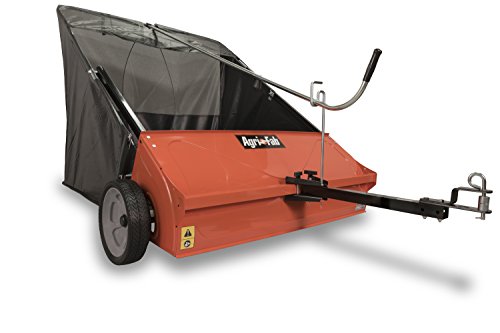
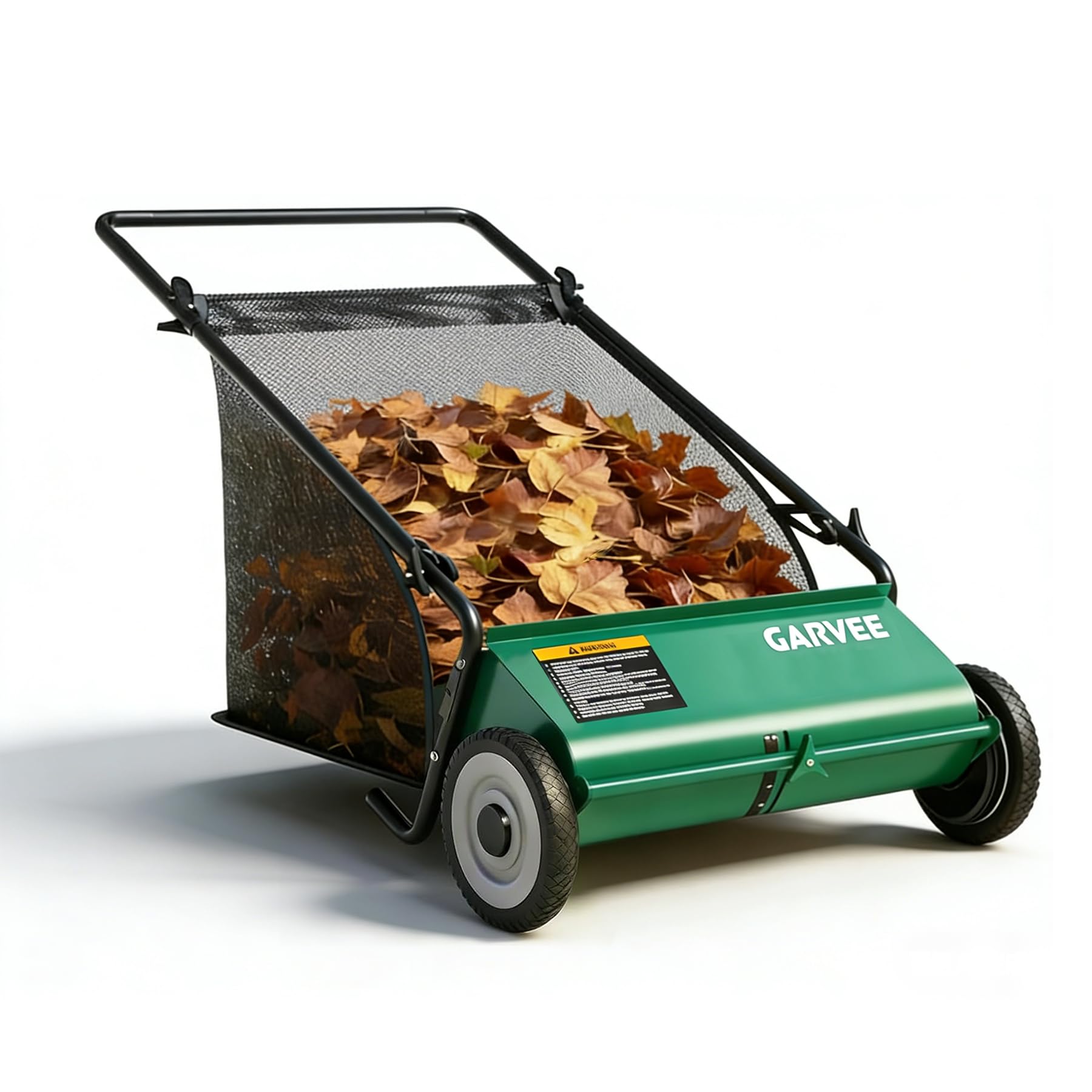
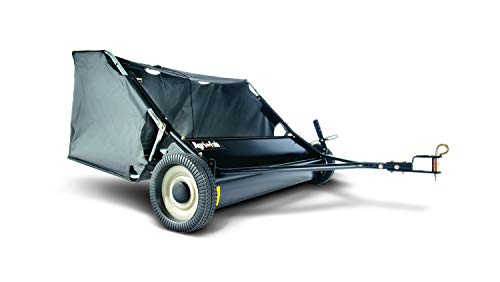
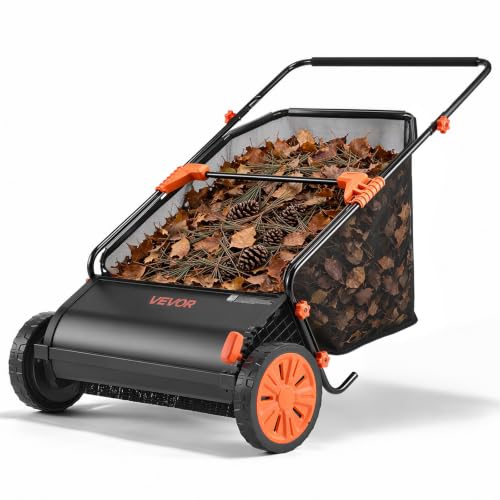
What Is a Lawn Sweeper?
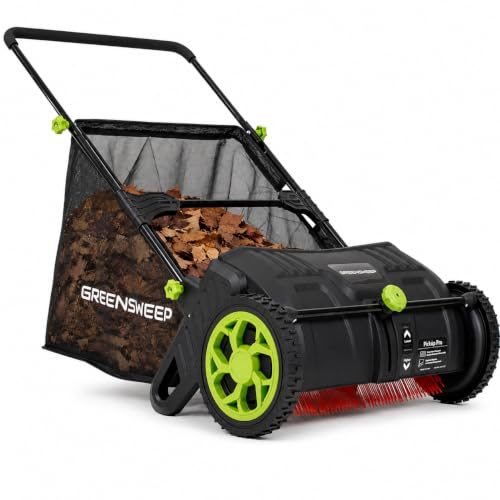
A lawn sweeper is a wheeled yard tool that collects surface debris from grass. Think of it as a giant carpet sweeper for your lawn. It picks up fallen leaves, grass clippings left after mowing, pine needles, small twigs, acorns and similar litter, and gathers them in a fabric hopper so you can dump them on a compost pile or into yard waste bags.
Unlike a leaf blower, it does not push debris into piles you still have to gather. Unlike a leaf vacuum, it does not use a motor or impeller. Most sweepers rely entirely on wheel driven brushes, which makes them quiet, simple and cheap to run.
Lawn sweepers come in two main forms. Push sweepers are walked across the yard like a push mower and usually cut a path of about 21 to 30 inches. Tow behind sweepers hitch to a riding mower, lawn tractor or ATV and cover a 38 to 52 inch path in one pass, with much larger hoppers.
How Does a Lawn Sweeper Work?
Every lawn sweeper is built around the same few parts.
Wheels and drive gears. The wheels do more than roll. Each drive wheel is linked to the brush shaft by gears, often a pinion gear inside the wheel hub. As the wheels turn, the gears spin the brushes, usually several times faster than the wheels themselves. That speed ratio is what gives the brushes enough snap to lift debris.
Brushes. A row of stiff bristle brushes, often four or more, runs across the width of the sweeper. As they spin, they sweep forward and up through the top of the grass, catching leaves and clippings and throwing them backward.
Hopper bag. Behind the brushes sits a large fabric bag on a frame. Debris thrown by the brushes lands inside. Hopper sizes range from a few cubic feet on small push sweepers to around 20 to 28 cubic feet on large tow behind models. Many bags use mesh so air passes through without blowing fine debris back out.
Brush height adjustment. A knob or lever raises and lowers the brushes. Set them too high and they skim over debris. Set them too low and they drag in the thatch, slow down and wear faster. Most owners find a setting where the bristles just touch the grass tips and reach into the top layer.
Dump mechanism. On tow behind sweepers, a rope or handle lets you tip the hopper from the tractor seat. Push sweepers usually have a bag you lift off and empty by hand.
Some models also add an anti lock or freewheel feature so the brushes stop when you back up, and a few combine sweeping with a dethatcher attachment. The basic idea stays the same: wheels drive brushes, and brushes throw debris into a bag.
Speed matters more than many people expect. Because the brushes are driven by the wheels, walking or driving too slowly gives them too little energy to lift heavier debris, while going too fast can make them skip over leaves or throw material past the hopper. A steady, moderate pace, similar to mowing speed, usually gives the cleanest pickup. Overlapping each pass by a few inches catches anything the edges of the brush row miss.
What Is a Lawn Sweeper Used For?
If you are asking what is a lawn sweeper used for, the simple answer is cleaning debris off grass faster and with less effort than raking. How useful it is depends on your property.
Hills & Uneven Terrain
Sweepers work on gentle slopes and rolling ground, but bumps and dips can leave debris where the brushes lift off the turf. Lower the brush height slightly, go slowly and sweep up and down the slope in overlapping passes. On steep hills, towing a sweeper is risky, so a push model or a rake is safer.
Large Yards
This is where tow behind sweepers shine. A 42 to 52 inch sweeper pulled by a lawn tractor clears an acre of leaves in a fraction of the time raking would take, and the big hopper means fewer stops to dump.
Leaf & Yard Cleanup
Fall leaf cleanup is the most common use. Sweepers also pick up grass clippings after mowing, pine needles under evergreens, small sticks after storms and even acorns and pine cones, depending on the brush setting.
Small Yards
A compact push sweeper works well on small lawns, saving your back compared with raking. It is quiet enough for early mornings and stores against a wall.
Tall / Thick Grass
Sweepers work best on short to medium grass. In tall or thick grass, the brushes struggle to reach debris trapped between blades. Mow first, then sweep, and you will get much better results.
Types of Lawn Sweepers
Push lawn sweepers. These are walked across the yard by hand. Widths usually run from about 21 to 30 inches, with hoppers of about 3.5 to 12 cubic feet. They cost the least and suit small to medium lawns. Brands such as VEVOR and GreenSweep offer push models.
Tow behind lawn sweepers. These hitch to a lawn tractor, riding mower, zero turn or ATV. They typically sweep 38 to 52 inches at a time and carry hoppers of roughly 12 to 28 cubic feet. Agri-Fab and Ohio Steel are well known names in this category, and many models let you dump the hopper from the seat.
Combination units. Some sweepers pair with a dethatcher or come bundled with one, so you can loosen thatch and collect it in a single pass or two. Others are sold alongside cordless mowers in bundles, though in that case the word sweeper often refers to a small blower.
Sweeper size and hopper style. Within each type, look at width, brush count, hopper capacity and whether the hopper uses mesh or solid fabric. Wider sweepers and larger hoppers cost more but save time.
Pros and Cons
Lawn sweepers have a lot going for them. They are quiet, need no fuel or charging and have very few parts to maintain. They collect debris rather than just moving it, which saves the gather and bag step. Tow behind models clear large areas quickly, and debris from the hopper goes straight to the compost pile.
They also have limits. Sweepers struggle with wet, matted leaves and with debris deep in tall grass. Uneven ground can leave strips behind. Push models can be tiring on large lawns with full hoppers, and tow behind models need a tractor or ATV and storage space.
- Pros: quiet, no fuel or battery, low maintenance, collects debris, fast on large lawns
- Cons: weak on wet leaves and tall grass, bumpy ground reduces pickup, needs storage space
Is a Lawn Sweeper Right for You?
A lawn sweeper is a good fit if you have lots of trees, spend fall weekends raking, bag grass clippings regularly or have a large, fairly flat lawn. If you already own a lawn tractor, a tow behind sweeper is one of the most useful attachments you can buy.
If your lawn is small with only a tree or two, a rake or a leaf blower may be enough. Properties with steep hills, very uneven ground or lots of wet leaves may do better with a leaf vacuum. For more help deciding, see is a lawn sweeper worth it, and if your yard is compact, our guide to the best lawn sweeper for small yards compares push models.
Frequently Asked Questions
What is a lawn sweeper used for?
A lawn sweeper collects leaves, grass clippings, pine needles, twigs and other light debris from grass. Its spinning brushes throw debris into a hopper bag, so you can empty it straight onto a compost pile or into bags. It replaces hours of raking, especially in fall and after mowing.
Is a lawn sweeper worth buying?
For many homeowners, yes. If you have several trees, a large lawn or bag clippings often, a sweeper saves a lot of time and effort. Tow behind sweepers are especially worthwhile for tractor owners. For small lawns with little debris, a rake or blower may be all you need.
How long does a lawn sweeper last?
A well maintained lawn sweeper can last many seasons. Keep it clean and dry, store it out of the weather, replace worn brushes and torn hopper bags when needed and check the gears and wheels each season. Steel frames and quality brushes hold up best over time.
Final Thoughts
Now you know how does a lawn sweeper work: the wheels drive spinning brushes that lift debris into a hopper, with no engine or battery needed. Choose a push model for small yards and a tow behind sweeper for large lawns, and mow before you sweep for best results. When you are ready to buy, see our picks for the best lawn sweeper, check the best lawn sweeper for tall grass if your lawn grows long and read our guide on where to buy a lawn sweeper.


