
How to Clean a Lawn Aerator: Step by Step Guide for 2026
Disclosure: We may earn a commission when you buy through links on this page, at no extra cost to you. As an Amazon Associate I earn from qualifying purchases. Learn more

How to clean a lawn aerator after each use: clear soil plugs, rinse, dry and oil the tines and axle so rust never gets a start.
Here is how to clean a lawn aerator in a nutshell: let it dry off for an hour or so, knock out stuck soil plugs and clumps from the tines or spikes, brush and hose away the remaining mud, dry every metal part, then oil the axle and wheels before storage. Doing this right after each aeration session stops rust and keeps the tines cutting cleanly next season.
Core aeration pulls thousands of soil plugs out of compacted soil, and some of that soil always stays packed inside hollow tines. Spike aerators collect mud and grass between the spike stars. Left on the tool, that damp soil is what turns good steel orange by spring.


Before You Start: Safety and Prep
Read the cleaning section of your manual first, since tow behind, push and powered core aerators differ. On a gas aerator, turn off the engine, let it cool and pull the spark plug wire so it cannot start. On an electric or battery model, unplug it or remove the battery.
Wear heavy work gloves, because coring knives and spike tips are sharp even when caked with dirt. Set a tow behind unit on a flat driveway or patio, raise it into transport position if it has one and chock the wheels. Have a stiff brush, a putty knife or flat screwdriver, a hose with a spray nozzle, rags and light machine oil ready.
How to Clean a Lawn Aerator Step by Step
These steps cover spike aerators, plug aerator rollers and tow behind units. Powered core machines add a few engine checks at the end.
Step 1: Read the Manual and Wear Safety Gear
Check whether the maker allows washing with a hose and which parts should stay dry, such as the engine, controls or a battery compartment. Put on gloves and safety glasses before you start scraping, since dry soil chips fly.
Step 2: Disconnect Power or Fuel
Remove the battery or unplug the cord on electric units. On gas machines, shut the fuel valve if there is one and disconnect the spark plug wire. Never tip a gas aerator on its side with fuel in the tank unless the manual says it is safe.
Step 3: Knock Out Soil Plugs
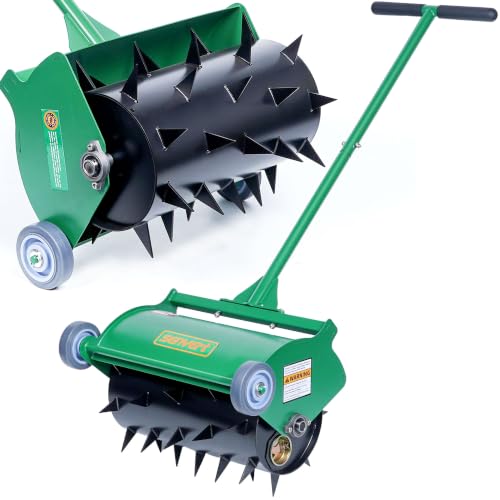
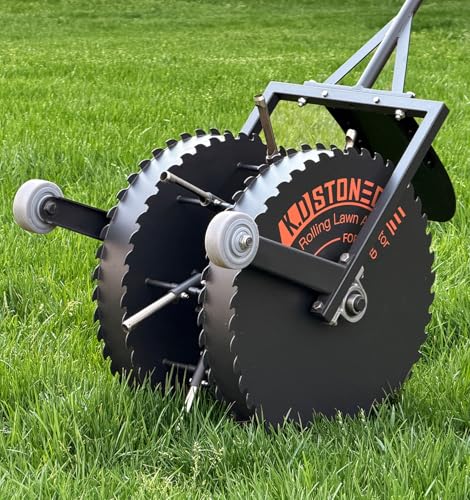
Let wet mud dry for a short while so it crumbles instead of smearing. Tap each hollow tine with a wooden handle or push a screwdriver through it to clear packed cores. On spike rollers, scrape soil from between the stars with a putty knife.
Step 4: Brush the Frame and Wheels
Use a stiff brush on the frame, weight tray, wheels and axle. Grass and thatch wrap tightly around axles and spacers, so cut them free with snips if needed.
Step 5: Rinse With Low Pressure
Hose off the remaining dirt with a moderate spray. Keep water away from bearings, the engine and any electrical parts. A pressure washer can force grit into bearings and strip paint, so use it only where the manual approves.
Step 6: Dry and Inspect
Wipe every surface dry with rags and let the aerator sit in the sun or a breezy spot for an hour. This is also the best moment to look for bent tines, loose bolts and cracked welds.
Step 7: Store It Correctly
Store the aerator in a dry shed or garage, off bare soil and out of the rain. Hang manual tools, and park tow behind units in transport mode so the tines are not resting on concrete.
How to Maintain a Lawn Aerator Between Seasons
Learning how to maintain a lawn aerator is mostly about rust prevention and checking the parts that wear. Most homeowners aerate once or twice a year, so the tool spends long months in storage.
Clean After Every Use
Do the routine above every time, even if you plan to aerate again next weekend. Damp soil left overnight starts rust on galvanized and plain steel alike.
Inspect Tines, Spikes and Coring Knives
Look for tines that are bent, cracked or worn short. Worn hollow tines pull shallow, thin cores, and bent spikes tear turf instead of punching clean holes.
Sharpen or Replace Worn Tines
Some coring knives and spikes can be touched up with a file, while many plug aerators use replaceable tines. Replace them as a full set so every tine reaches the same depth.
Engine Care for Gas Core Aerators
Check and clean the air filter, inspect the spark plug, change the oil on the schedule in the manual and use fuel stabilizer or run the tank dry before winter storage. If you rented the machine, follow the rental shop instructions for cleaning before you take it back, and skip the long term storage steps.
Battery and Cord Care for Electric Models
Store batteries indoors at room temperature, partly charged, and never leave them in a freezing shed. Check extension cords and plugs for cuts and bent prongs.
Lubrication Points
Oil the axle, wheel bearings, transport lever pivot and hitch pin after cleaning. Wipe a thin coat of oil on bare metal tines to block rust during storage. If a wheel wobbles or a bearing grinds when you spin it by hand, replace it now rather than in the middle of the next job, because a seized wheel drags the whole aerator sideways across the lawn.
Pro Tips for Better Results
- Aerate when the soil is moist but not soggy. The tool stays cleaner and the plugs come out whole.
- Keep a putty knife and a brush in the shed next to the aerator so cleaning takes five minutes.
- Spray tines with a light lubricant before use in sticky clay. Less soil clings to them.
- Remove extra weight such as blocks or sandbags from the weight tray before cleaning and storage.
- Tighten every nut and bolt at the start of each season, because vibration loosens them.
Common Mistakes to Avoid
- Putting the aerator away caked with mud, which leads to rust and clogged tines.
- Blasting bearings and engine parts with a pressure washer.
- Cleaning sharp tines with bare hands.
- Storing a gas aerator with old, untreated fuel.
- Replacing only one or two worn tines, which gives uneven depth.
- Leaving a water filled drum roller full over winter, where freezing can crack it.
Frequently Asked Questions
How often should I clean a lawn aerator?
Clean it after every use, even a short session. A quick scrape, brush and rinse takes a few minutes, while dried soil left for weeks hardens inside the tines and starts rust. Add a deeper inspection, oiling and tightening of bolts once a year before the main aeration season in spring or fall.
Can I leave soil in hollow tines until next time?
No. Packed soil holds moisture against the steel, which rusts the tines from the inside and makes the next cores harder to eject. Push the plugs out while the soil is still soft, rinse the tines and give them a thin coat of oil before storage.
Final Thoughts
Now you know how to clean a lawn aerator: clear the plugs, brush and rinse, dry it fully and oil the moving parts. Still deciding whether to buy one? Read is a lawn aerator worth it and where to buy a lawn aerator, then compare our picks for the best lawn aerator, the best lawn aerator for clay soil and the best lawn aerator for heavy duty use.


