
What Is a Garden Spade Used for: Expert Tips and Step by Step Guide
Disclosure: We may earn a commission when you buy through links on this page, at no extra cost to you. As an Amazon Associate I earn from qualifying purchases. Learn more
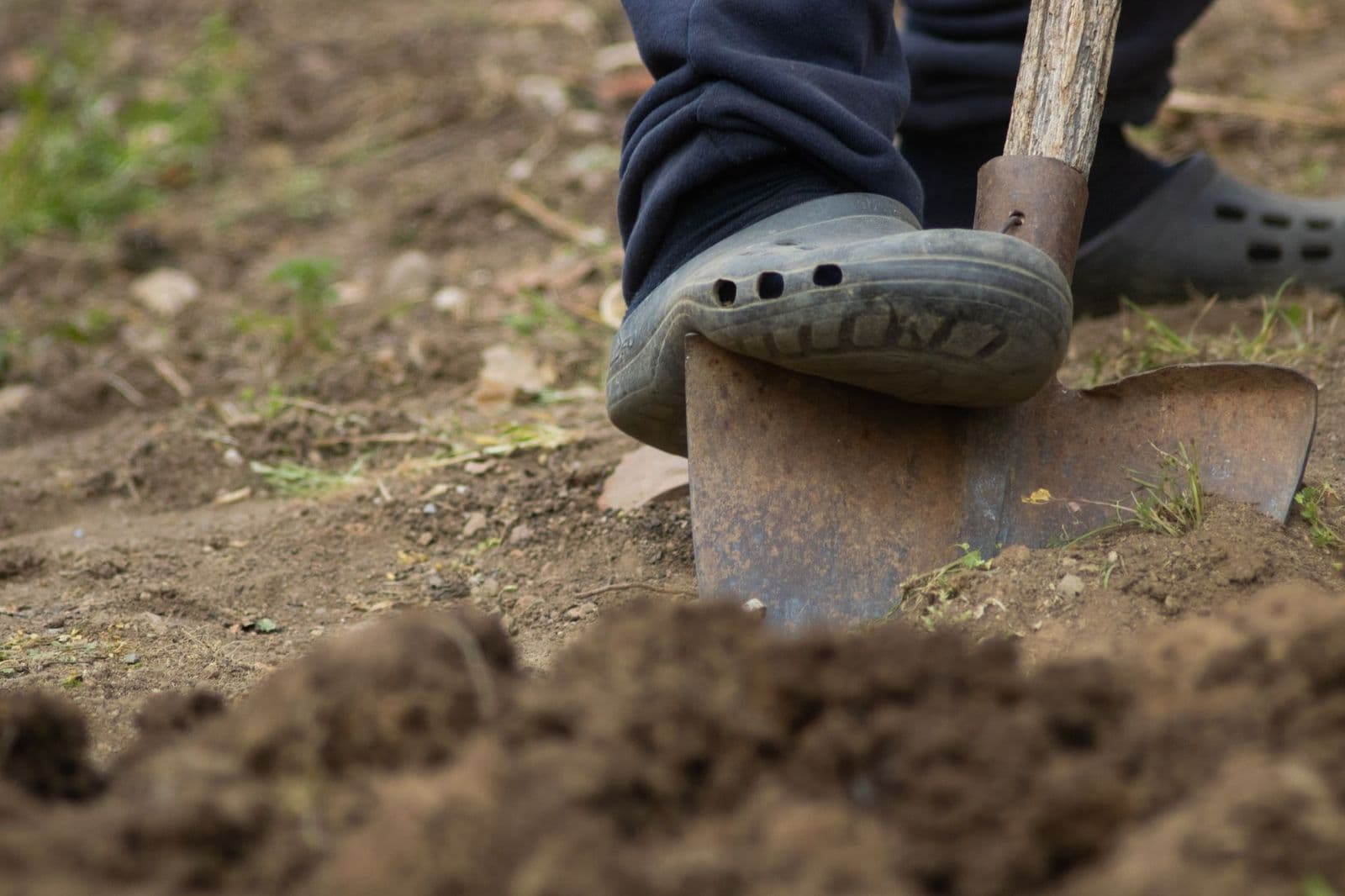
What is a garden spade used for? Edging, digging neat holes, dividing perennials and transplanting, plus types, parts and pros and cons.
A garden spade is used for digging, cutting and moving soil with precision. Its flat, sharp edged blade slices cleanly through turf and roots, which makes it ideal for edging beds, digging planting holes, dividing perennials, transplanting shrubs and turning over compacted soil. That is the short answer to what is a garden spade used for, and it explains why most gardeners reach for a spade, not a shovel, when the job calls for neat, straight cuts.
Below you will learn what makes a spade different from a shovel, how it works, its most useful jobs around the yard, the main types and how to decide whether you need one.
What Is a Garden Spade?
A garden spade is a digging tool with a flat or slightly curved rectangular blade, a straight or squared cutting edge and a handle that usually ends in a D grip or T grip. The blade is often made of forged steel or carbon steel, while handles come in wood, fiberglass or steel.
It is easy to confuse a spade with a shovel, but they are built for different jobs. A shovel has a wider, scooped blade with a pointed or rounded tip, designed to scoop and throw loose material like gravel, mulch or snow. A digging spade has a flatter, narrower blade with a straight edge, designed to cut and lift soil in neat slices.
Spades are usually a little shorter than shovels, which gives you more control when you push the blade into the ground. Many have a flat tread or step on top of the blade, so you can press down with your foot instead of relying only on your arms.
How Does a Garden Spade Work?
If you are wondering how does a garden spade work, it comes down to a few parts working together as a simple lever.
- Blade. The flat blade concentrates force on a narrow edge, so it slices into soil, turf and small roots instead of pushing them aside. A sharpened edge cuts even more easily.
- Tread or step. The top edge of the blade gives your foot a place to push. Using body weight drives the blade deep with far less effort than arm strength alone.
- Socket or tang. This joint connects the blade to the shaft. Solid socket construction, common on forged spades, resists bending when you pry.
- Shaft. The shaft acts as the lever arm. When you pull back on the handle, the blade pivots and lifts the soil.
- Handle grip. A D grip or T grip gives you a firm hold for twisting and lifting.
In use, you set the blade upright on the soil, step down on the tread to drive it in, then pull the handle back toward you. The blade levers up a clean block of soil, which you can lift, turn or move. Repeating this along a line produces the straight, tidy edges that gardeners value.
Technique makes a big difference. Keep the blade close to vertical when you start a cut, take smaller bites in heavy soil and lift with your legs rather than your back. Prying too hard against a large root or rock is the most common way to bend a blade or crack a handle, so cut around obstacles instead of forcing them.
What Is a Garden Spade Used For?
A spade is one of the most versatile hand tools in the garden. Here is how it helps in different settings.
Clay & Rocky Soil
Heavy clay and stony ground resist scooped shovels. A strong, sharp spade with a solid forged blade cuts through dense soil and pries out small rocks. Working the soil when it is slightly moist, rather than bone dry or soggy, makes the job much easier.
Flower Beds
Spades are the classic tool for edging beds. A few straight cuts along the border create a crisp line between lawn and soil. They are also ideal for dividing perennials, slicing clumps cleanly into sections for replanting.
Raised Beds
In raised beds, a smaller border spade lets you turn soil, mix in compost and dig planting holes without damaging the frame. Its straight edge also helps level soil along the sides.
Small Gardens
If you only have room for a few tools, a spade covers a lot of ground. It digs, edges, transplants and turns compost, so it can stand in for several more specialized tools in a small garden or patio plot.
Trees
When planting trees and shrubs, a spade digs neat holes with straight sides. It is also used to cut around a root ball before transplanting, severing roots cleanly so the plant recovers faster.
Types of Garden Spades
- Digging spade. The standard full size spade with a flat rectangular blade, suited to most general digging.
- Border spade. A smaller, lighter version that works well in tight beds, raised beds and for gardeners who prefer less weight.
- Transplanting spade. A long, narrow, slightly rounded blade that digs deep holes and lifts root balls with minimal disturbance.
- Edging spade. A half moon or flat blade designed specifically for cutting clean lawn edges.
- Drain or trenching spade. A long, narrow blade for digging trenches for irrigation lines or drainage.
Material matters as well. Forged steel blades are strong and hold an edge, stainless steel resists rust and slides through sticky soil, and fiberglass or steel shafts handle prying better than lighter wood handles.
Handle length is worth checking too. Taller gardeners often find a long handled spade easier on the back, since it reduces bending, while a standard length with a D grip gives more control for edging and close work around plants.
Pros and Cons
Pros:
- Cuts clean, straight edges in soil and turf
- Digs neat planting holes and trenches
- Foot tread uses body weight to reduce effort
- Durable and low maintenance
Cons:
- Not ideal for scooping loose material like gravel or mulch
- Heavy forged models can be tiring for long sessions
- Cheap stamped blades can bend in rocky soil
Is a Garden Spade Right for You?
A spade is worth owning if you plant, edge beds, divide perennials or move shrubs, even occasionally. It is one of the first tools most gardeners buy, and a good one can last for decades.
If most of your work is moving mulch, gravel or snow, a scoop shovel may serve you better. Many gardeners keep both, using the spade for cutting and digging and the shovel for moving loose material. Our guide on how to choose a garden spade walks through blade size, materials and handle length.
Frequently Asked Questions
What is the difference between a spade and a shovel?
A spade has a flat, straight edged blade for cutting and lifting soil in neat slices, while a shovel has a wider, scooped blade with a pointed or rounded tip for digging loose ground and moving material. Use a spade for edging, transplanting and precise digging, and a shovel for scooping gravel, mulch or soil.
Is a garden spade worth buying?
Yes, for almost any gardener. It handles digging, edging, dividing plants and transplanting, and a well made spade lasts many years. Spending a bit more for a forged or stainless blade and a sturdy shaft usually pays off, especially in clay or rocky soil.
Should I sharpen a garden spade?
Yes. A sharp edge cuts through turf, roots and clay with far less effort. A few strokes with a mill file along the cutting edge once or twice a season is usually enough. File at the existing bevel, then wipe the blade with a little oil to keep rust away.
How long does a garden spade last?
A quality spade can last for decades with basic care. Clean soil off the blade after use, dry it to prevent rust, sharpen the edge now and then and store it indoors. Wooden handles benefit from an occasional coat of linseed oil. Cheaper stamped blades and thin handles wear out much sooner.
Final Thoughts
So, what is a garden spade used for? Digging precise holes, cutting clean bed edges, dividing perennials, transplanting shrubs and working tough soil. To pick one, see our picks for the best garden spade, the best garden spade for edging and the best garden spade for clay soil, and learn the right technique in our guide on how to use a garden spade.


