
How Does a Log Splitter Work: Expert Tips and Step by Step Guide
Disclosure: We may earn a commission when you buy through links on this page, at no extra cost to you. As an Amazon Associate I earn from qualifying purchases. Learn more

How does a log splitter work? Hydraulic, kinetic and manual splitters explained, plus the main parts, uses and whether you need one.
A log splitter works by pushing a log against a sharp steel wedge with enormous force until the wood fibers give way and the log splits along its grain. Most home models use a hydraulic pump, driven by a gas engine or an electric motor, to move a piston that drives either the log into the wedge or the wedge into the log. Others use a spinning flywheel or simple manual leverage. That is the quick answer to how does a log splitter work, and the sections below explain each part, the main types and how to decide whether one belongs in your garage.
Whether you heat your home with wood, clean up after storms or simply enjoy a backyard fire pit, understanding how a wood splitter works helps you choose the right size, use it safely and keep it running for years.


What Is a Log Splitter?
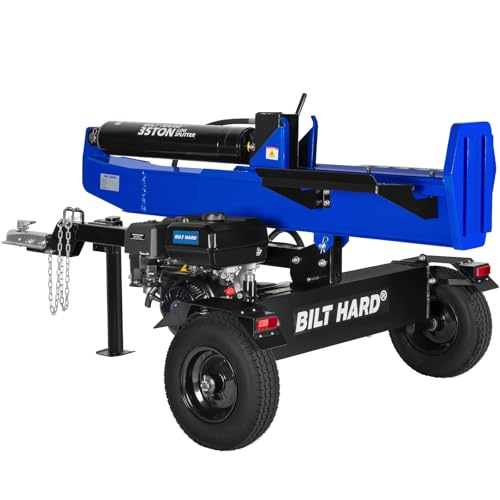
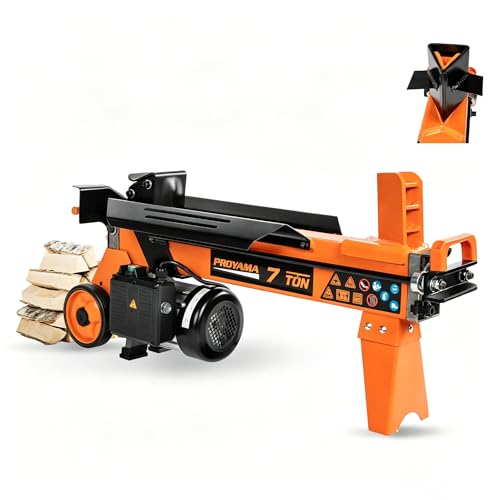
A log splitter is a machine that splits rounds of wood into smaller pieces for firewood. Instead of swinging a maul over and over, you place a log on the beam, engage the control, and the machine does the hard work. Splitters are rated by the force they can apply, usually measured in tons of force, from around 4 to 7 tons for small electric models up to 25 to 35 tons or more for large gas units.
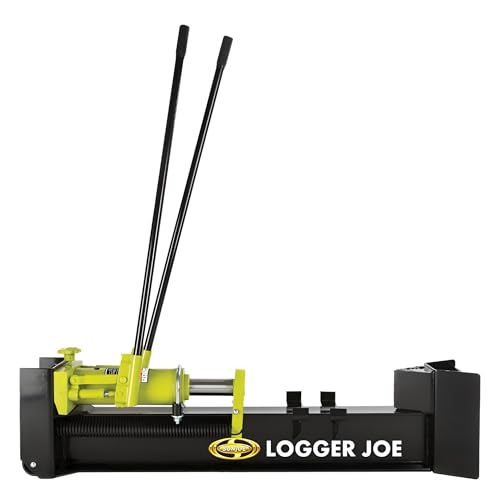
The basic idea has not changed in decades: concentrate a lot of force on a narrow steel edge. What has changed is how that force is produced. Hydraulic splitters dominate the market because they deliver huge, controlled force from a small engine or motor. Kinetic splitters store energy in heavy flywheels and release it in a fraction of a second, while manual splitters use a lever, a foot pump or a dropping weight.
Log splitters come in horizontal designs, where you lift logs onto a waist high beam, and vertical or convertible designs, where very heavy rounds can be rolled into place and split upright without lifting.
How Does a Log Splitter Work?
A typical hydraulic log splitter has these main components working together:
- Power source: a small gas engine or an electric motor that drives the hydraulic pump.
- Hydraulic pump: often a two stage pump that moves oil quickly at low pressure, then switches to high pressure when the wedge meets resistance.
- Hydraulic cylinder and piston (ram): pressurized oil pushes the piston out, which moves the pusher plate or the wedge.
- Control valve: a lever that sends oil to extend or retract the ram. Many valves have an auto return detent that pulls the ram back on its own.
- Wedge: a hardened steel blade that starts the split. Some models use a four way wedge to split one log into four pieces in one stroke.
- Beam and log cradles: the steel frame that holds the log in line with the wedge, plus side trays that keep split wood from falling.
- Reservoir and filter: hold and clean the hydraulic fluid.
When you push the control lever, the pump forces oil into the cylinder. Oil cannot be compressed, so pressure builds and pushes the piston forward with great force. The log is squeezed against the wedge until the wood fibers separate. Releasing or reversing the lever lets the ram retract, ready for the next log. The time it takes for the ram to go out and back is called the cycle time; faster cycle times mean more cords split per hour.
Two stage pumps are what make gas splitters efficient. In the first stage, the pump moves a high volume of oil at low pressure, so the ram travels quickly until it touches the log. As soon as the wood resists, the pump shifts to a low volume, high pressure stage that delivers full splitting force. Electric splitters usually use a simpler single stage pump, which is why they are slower but quieter and cheaper.
Kinetic splitters work differently. A motor spins one or two heavy flywheels, and when you pull the lever, a rack and pinion transfers that stored energy to the ram in an instant. They are very fast but tend to work best on straight grained wood, while hydraulic models handle knotty rounds with steady, crushing pressure.
What Is a Log Splitter Used For?
So, what is a log splitter used for? Its main job is turning rounds of wood into firewood sized pieces that dry faster, stack neatly and burn efficiently. Split wood seasons much more quickly than whole rounds because more surface area is exposed to air.
Homeowners use log splitters to prepare fuel for wood stoves, fireplaces, outdoor furnaces and fire pits. Rural property owners use them to process trees they cut themselves, and small firewood businesses use larger splitters to produce cords for sale. A splitter is also useful for breaking down large rounds so they are easier to move, haul or dispose of.
Firewood from Fallen and Felled Trees
Storms, land clearing and routine tree removal leave behind heavy trunks and limbs. After cutting them into rounds with a chainsaw, a log splitter turns them into usable firewood in a fraction of the time it would take by hand. Hardwoods such as oak, maple and hickory need more force than softwoods like pine or poplar, and twisted or knotty pieces near branch unions are the hardest of all. Matching the splitter's tonnage to the wood you have is key. Our guide on what size log splitter do I need explains how to match tons of force to log diameter and species.
Types of Log Splitters
- Electric hydraulic splitters: usually 4 to 10 tons, quiet, no fumes and suitable for use in a garage. Best for small to medium logs and light firewood needs.
- Gas hydraulic splitters: typically 20 to 35 tons or more, towable, and capable of splitting large hardwood rounds. Best for heavy use and remote locations.
- Kinetic (flywheel) splitters: very fast cycle times, often under 3 seconds, ideal for high volume splitting of straight grained wood.
- Manual splitters: hydraulic foot or hand pumps, slide hammers and lever types; cheap and portable but slow.
- Vertical and horizontal or convertible models: vertical mode lets you split heavy rounds without lifting them onto the beam.
- Tractor or skid steer attachments: powered by the tractor's hydraulics for farms and large properties.
For homeowners comparing options, our picks for the best log splitter for homeowners focus on easy to store, mid size machines, while the best log splitter for heavy duty use covers large gas and kinetic splitters.
Pros and Cons
- Pro: splits wood far faster and with much less effort than a maul or axe.
- Pro: reduces the risk of back strain and swing related injuries.
- Pro: handles knotty and large rounds that are very hard to split by hand.
- Con: costs anywhere from a few hundred to a few thousand dollars.
- Con: gas models need engine and hydraulic maintenance, and they are heavy to store.
- Con: crushing force can cause serious injury if used carelessly, so safety rules matter.
Safe operation is simple but strict. Only one person should run the controls, hands must stay clear of the wedge and pusher plate, and logs should be cut square on both ends so they do not shoot out sideways. Wear gloves, eye protection and steel toe boots, keep children and pets away, and never try to split two logs stacked on top of each other.
Is a Log Splitter Right for You?
A log splitter makes sense if you burn more than a cord or two of wood each year, process your own trees, or find swinging a maul tiring or painful. Electric models suit occasional users with smaller logs and limited storage, while gas splitters are better for large volumes and big hardwood rounds.
If you only need a few armloads of wood for an occasional fire, buying pre split firewood or renting a splitter for a weekend may be more economical. Rental shops often carry 25 to 30 ton gas splitters, which is a good way to try one before buying. Read our analysis of is a log splitter worth it for a deeper look at the costs and savings.
Frequently Asked Questions
How many tons of force does a log splitter need?
For most homeowners, 5 to 10 tons handles softwood and small hardwood logs up to about 10 to 12 inches across. Larger or knotty hardwood rounds usually need 20 tons or more. Wet, twisted or very wide logs need the most force, so if you split oak or elm regularly, choose a bigger machine rather than straining a small one.
Is a log splitter worth buying?
If you split several cords of wood a year, yes. A splitter saves many hours of hard labor and reduces injury risk compared with splitting by hand. For occasional use, renting can be cheaper, but frequent burners usually recover the cost within a few seasons by processing their own wood.
How long does a log splitter last?
A well maintained log splitter can last 10 to 20 years or more. Hydraulic cylinders and steel beams are very durable; engines, hoses and seals are the parts that wear. Changing hydraulic fluid and filters, keeping the wedge sharp and storing the machine dry help it last.
Final Thoughts
How does a log splitter work? A gas engine, electric motor or flywheel drives a ram that forces wood against a steel wedge until it splits along the grain. Hydraulic models deliver steady, crushing force, kinetic models deliver speed, and manual models trade effort for low cost. Once you know how much wood you split and how big your logs are, choosing the right machine is simple. Start with our picks for the best log splitter.


