How Does a String Trimmer Work? Everything You Need to Know (2026)
Disclosure: We may earn a commission when you buy through links on this page, at no extra cost to you. As an Amazon Associate I earn from qualifying purchases. Learn more

How does a string trimmer work? A plain English look at the motor, shaft, cutting head and trimmer line, plus types, uses, pros and cons.
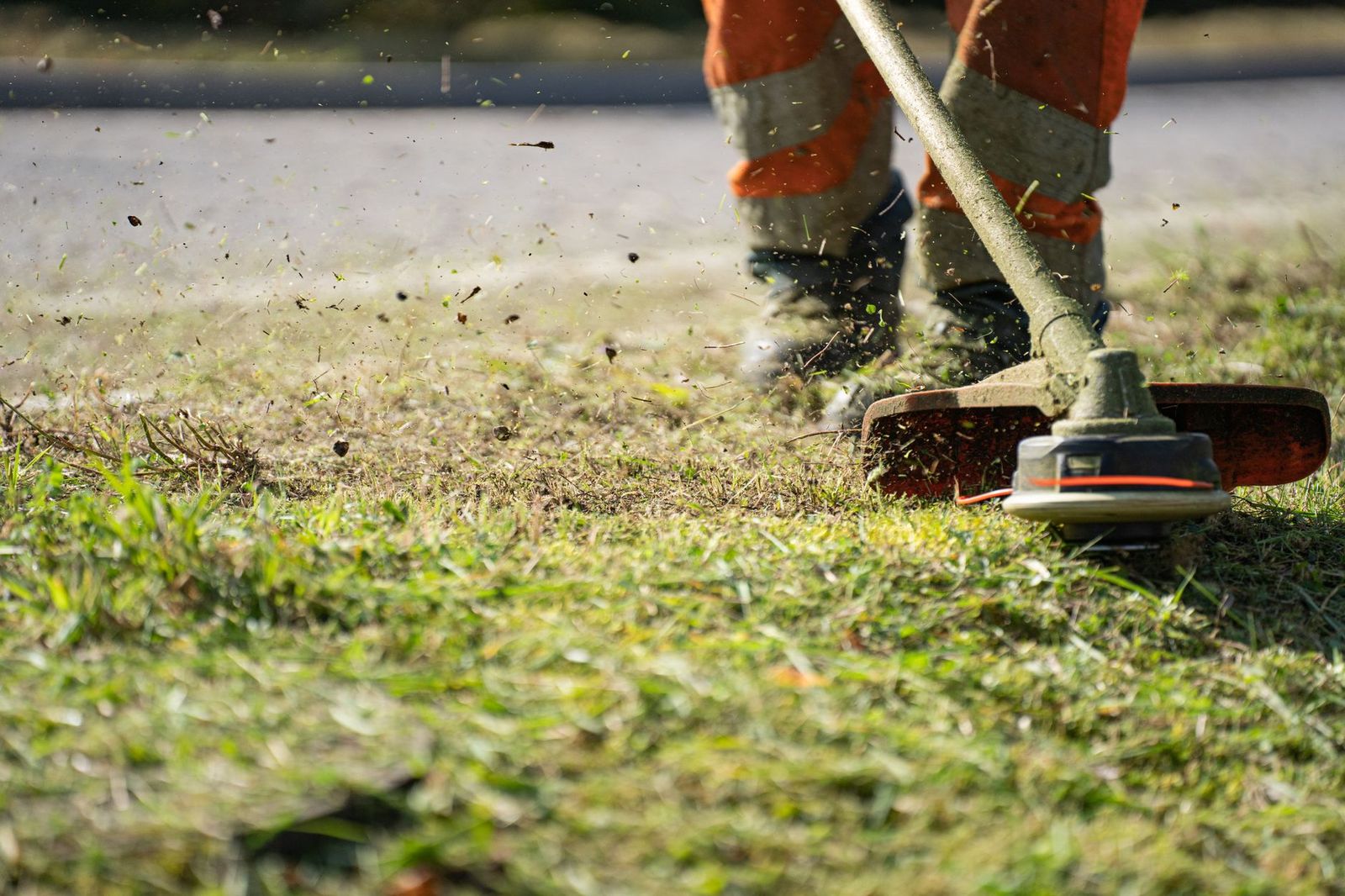
A string trimmer works by spinning a short length of flexible nylon line at very high speed. A gas engine or electric motor turns a cutting head at the end of a long shaft, centrifugal force makes the line stand straight out, and the fast moving tip slices grass and weeds on contact while bending harmlessly away from hard surfaces. That is how does a string trimmer work in plain terms, and this guide explains the parts behind it and how to put the tool to good use.
You will learn what a string trimmer is, how the motor, shaft, head and trimmer line work together, the jobs it handles best, the main types, the pros and cons and whether one belongs in your garage.


What Is a String Trimmer?
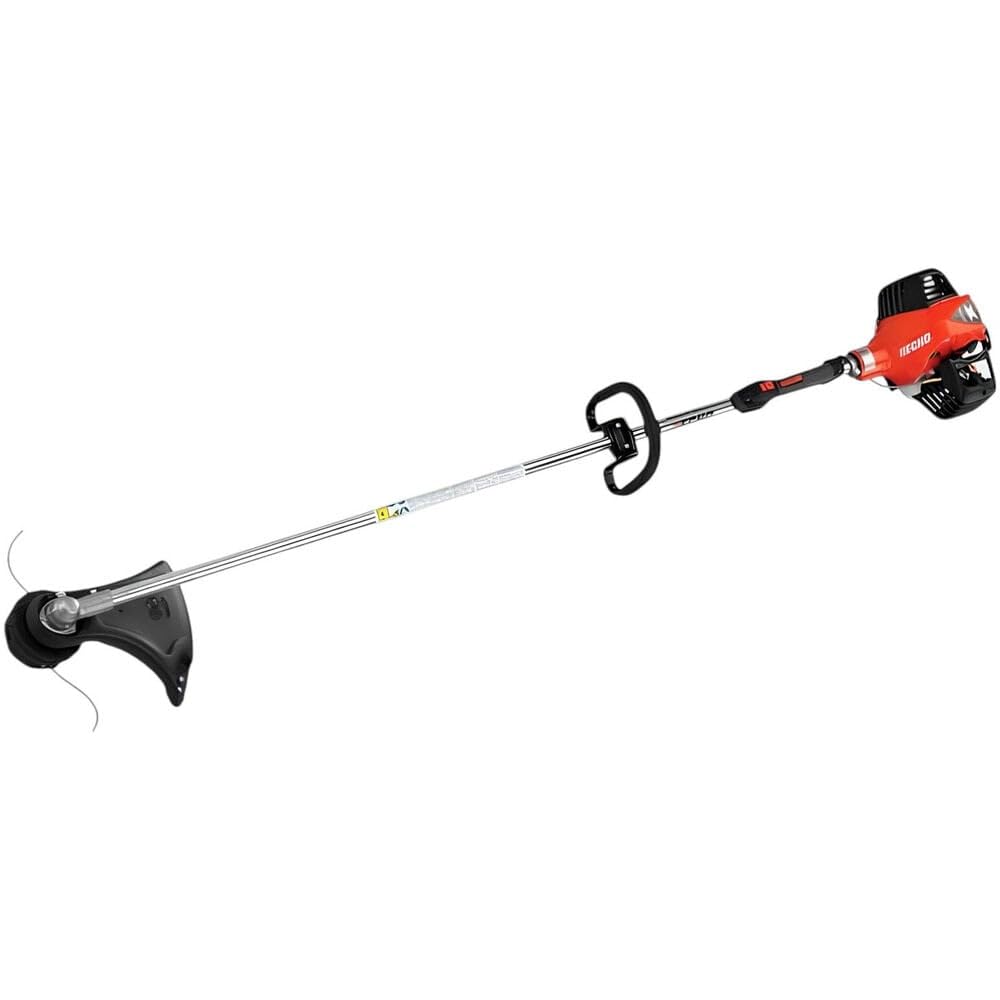
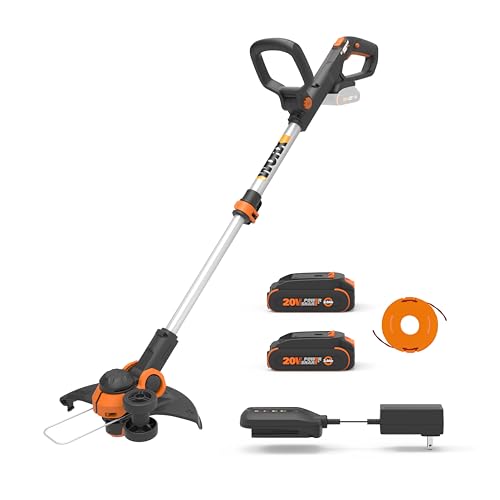
A string trimmer is a handheld lawn tool that cuts grass and weeds where a mower cannot reach. You will hear it called a weed eater, a weed wacker or a line trimmer, but they all describe the same idea: a motor at one end of a shaft and a spinning head with nylon line at the other. Homeowners use it to finish the lawn after mowing, tidy fence lines, trim around trees and clear patches of overgrown weeds.
The design is simple and versatile. Because the cutting line is flexible, it can work right up against walls, posts and stones without the damage a metal blade would cause. When the line wears down, more is fed out from a spool inside the head. Most models weigh somewhere between a few pounds and a dozen or so, and the cutting swath, the width of the circle the line covers, usually falls between about 10 and 17 inches.
String trimmers come in gas, battery and corded electric versions, with straight or curved shafts. Some take attachments such as edgers, blowers and pole saws, turning one power head into several yard tools.
How Does a String Trimmer Work?
Several parts work together each time you squeeze the trigger. Here is the path from power source to cut.
- Power source. Gas trimmers use small two stroke or four stroke engines. Battery and corded trimmers use electric motors, increasingly brushless ones on newer models.
- Clutch or direct drive. On gas models, a centrifugal clutch engages when you open the throttle, so the head does not spin at idle. Electric trimmers spin the head only while the trigger is pressed.
- Shaft. Straight shafts use a solid steel drive rod inside the tube. Curved shafts use a flexible cable. Some battery trimmers put the motor right at the head, so the shaft only carries wires.
- Cutting head. The head holds a spool of trimmer line wound inside. Two line ends stick out through eyelets on opposite sides.
- Trimmer line. Nylon line, commonly around .065 to .095 inches thick, does the cutting. Thicker or twisted line cuts tougher weeds and lasts longer.
- Line feed system. As line wears, you feed more out. Bump feed heads release line when you tap the head on the ground, while auto feed heads release it automatically.
- Guard. A shield behind the head blocks debris and holds a small blade that trims the line to the right length.
When the head spins thousands of times a minute, centrifugal force holds the line rigid. The tip travels fast enough to cut grass cleanly, yet the line bends when it hits a rock or wall, which protects both the tool and the surface. Line length matters: too long and the motor strains, too short and the cutting swath shrinks. The guard blade keeps it at the length the maker designed for.
Line shape changes the cut as well. Round line is durable and inexpensive, while square, star and twisted profiles have sharper edges that slice thick weeds more cleanly and often run quieter. Always use the diameter your trimmer head is rated for, because line that is too thick overloads the motor and line that is too thin breaks constantly.
Power and cutting swath go hand in hand. A wider swath covers more ground but needs more power to keep line speed up, which is why gas trimmers and high voltage battery models often have the widest heads.
What Is a String Trimmer Used For?
So, what is a string trimmer used for in a typical yard? Here are the jobs where it shines.
Edging
Turn the trimmer on its side and the spinning line cuts a vertical edge along sidewalks, driveways and garden borders. Many models have a rotating head or a wheeled edging guide that makes clean lines easier, so you may not need a separate lawn edger.
Flower Beds
Trimmers tidy grass that creeps into beds and around landscape stones. A light touch and a slower speed setting help you work close to plants without shredding them.
Hills & Uneven Terrain
Steep banks, ditches and bumpy ground are hard or unsafe to mow. A trimmer lets you cut those areas while standing on stable footing.
Large Yards
On big properties, trimmers clear long fence lines, field edges and overgrown corners. Gas models or battery trimmers with spare packs suit these longer jobs.
Small Yards
In small yards, a light battery trimmer can handle most of the cutting around patios, mailboxes and trees, and it finishes the lawn neatly after mowing.
Types of String Trimmers
There are three main power types, plus a few design choices.
- Gas string trimmers. Powerful, with unlimited runtime as long as you have fuel. Best for large properties and thick weeds, but louder, heavier and more demanding to maintain.
- Battery string trimmers. Quiet, light and easy to start. A modern battery trimmer suits most suburban yards, and higher voltage models rival gas.
- Corded electric trimmers. Light and inexpensive, with no runtime limit, but you are tied to an extension cord. Good for small yards close to an outlet.
Shaft shape is the other big choice. Straight shafts reach under shrubs and decks and suit taller users. Curved shafts are lighter and easier to balance for small jobs. Attachment capable trimmers let you swap the trimmer head for an edger, brush cutter or pole saw.
Battery trimmers deserve a closer look because they now dominate home use. If you are asking what is a cordless string trimmer used for, the answer is nearly everything a gas model does in a typical yard: trimming, edging and light weed clearing, with no fuel, no pull cord and much less noise. Many brands sell trimmers that share batteries with mowers and blowers, which lowers the cost of building a full cordless lineup.
Budgets vary widely by type. Our guide on how much does a weed eater cost breaks down typical prices.
Pros and Cons
String trimmers are among the most useful yard tools, but they have limits.
Pros
- Cuts where mowers cannot reach
- Flexible line is safe against walls, posts and stones
- Doubles as an edger on many models
- Battery models are quiet and low maintenance
Cons
- Line wears out and needs regular refilling
- Throws debris, so eye protection is a must
- Can damage tree bark and delicate plants
- Gas models are loud and need fuel and engine care
Is a String Trimmer Right for You?
If you own a lawn, a string trimmer is almost always worth having. It gives you the crisp, finished look that a mower alone cannot, and it handles banks, fence lines and weedy corners in minutes.
Think about safety, too. Trimmers throw stones, grass and debris at speed, so plan on safety glasses, long pants and closed shoes every time, plus hearing protection for gas models. Keep kids and pets well away while you work.
Choose based on yard size and comfort. Small to medium yards do well with a battery model, and larger properties may need gas or a high voltage battery with a spare pack. If weight or grip strength is a concern, our guide to the best weed eater for seniors focuses on light, easy to start models, and the best string trimmer for edging covers tools that make clean borders easy.
Frequently Asked Questions
What is a string trimmer used for?
A string trimmer is used to cut grass and weeds in places a lawn mower cannot reach, such as along fences, walls, trees, flower beds and steep banks. Many models also edge sidewalks and driveways. Homeowners usually use one after mowing to give the lawn a clean, finished look.
How does a weed eater work?
Here is how does a weed eater work: an engine or motor spins a head holding nylon line at high speed. Centrifugal force keeps the line straight, and its fast moving tip cuts grass and weeds on contact. "Weed eater" is simply a common name for a string trimmer, so the mechanism is exactly the same.
What is a weed eater used for?
Wondering what is a weed eater used for? It trims grass along edges, clears weeds around posts and trees, cuts overgrowth on banks and ditches and edges walkways. It is a finishing tool that handles every spot your mower misses.
How does a cordless string trimmer work?
So how does a cordless string trimmer work? A rechargeable lithium battery powers an electric motor that spins the cutting head when you pull the trigger. There is no engine, clutch or fuel. Many models offer variable speed, and some feed line automatically. Runtime depends on battery capacity and how thick the grass is.
Is a string trimmer worth buying?
Yes, for nearly every homeowner with a lawn. A string trimmer finishes edges and tight spots far faster than hand shears, and an affordable battery model handles most yards. It also lets you tackle banks and weedy areas safely, so it pays for itself quickly compared with a lawn service.
Final Thoughts
Now you know how does a string trimmer work: a motor or engine spins a head, centrifugal force stiffens the nylon line, and the line tip cuts grass and weeds while bending away from hard surfaces. Pick the power type that fits your yard and always wear eye protection. See our picks for the best string trimmer, or learn where to buy a weed eater to compare stores.