
How to Choose a Cordless String Trimmer: Expert Buying Guide and Checklist
Disclosure: We may earn a commission when you buy through links on this page, at no extra cost to you. As an Amazon Associate I earn from qualifying purchases. Learn more

How to choose a cordless string trimmer: match voltage, swath and shaft to your yard, then pick a battery platform you can grow with.
To choose a cordless string trimmer, match the battery platform and voltage to your yard size, pick a cutting swath that suits how much trimming you do, decide between a straight or curved shaft, and check weight, balance and the line feed system. If you edge along driveways, look for a model that converts into an edger. That is how to choose a cordless string trimmer in short, and getting those few choices right matters more than any single spec on the box.
Battery trimmers have become the default for most homeowners: they start instantly, run quietly and need no fuel mixing. This guide explains the types, the features worth paying for, sensible budgets and the mistakes buyers make most.


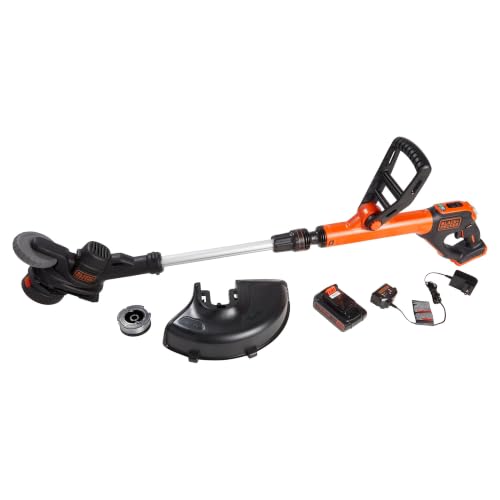
What Is a Cordless String Trimmer and Do You Need One?
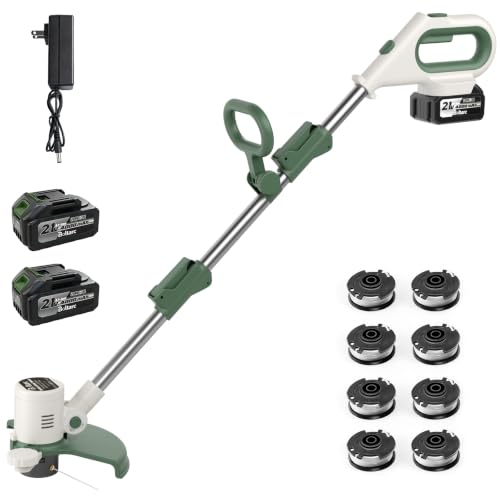
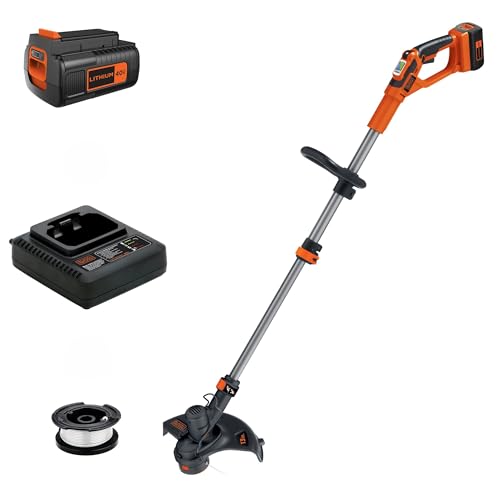
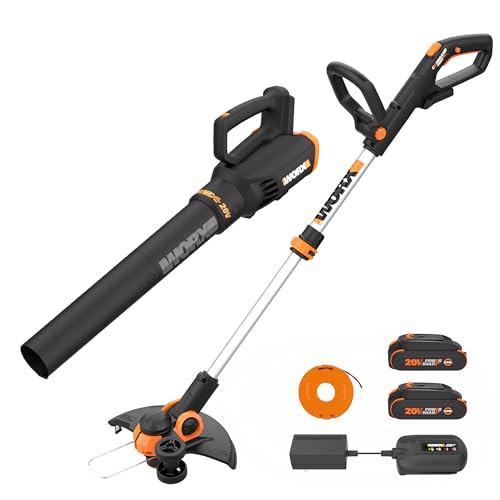
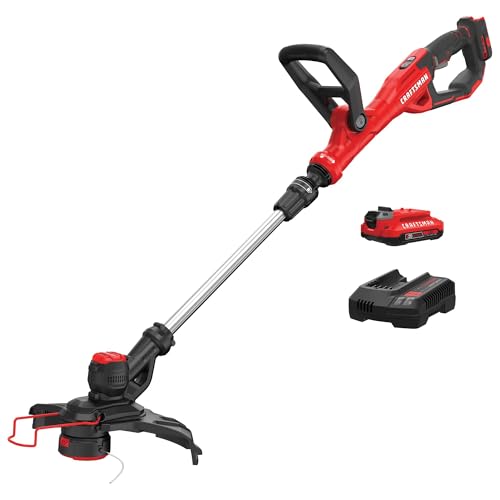
A cordless string trimmer, also called a weed eater or weed wacker, uses a battery powered motor to spin a head loaded with nylon trimmer line. The fast moving line cuts grass and weeds where a lawn mower cannot reach: along fences, around trees, beside flower beds and up against walls.
You need one if your lawn has any edges, obstacles or rough patches, which describes nearly every yard. Even a small lawn looks unfinished without trimmed edges. A cordless model is the easiest choice for most homes, since there is no cord to drag and no gas engine to maintain.
Main Types of Cordless String Trimmers
- Light duty 20V and 40V trimmers: compact, light and affordable, with cutting swaths around 10 to 13 inches. Best for small yards and quick touch ups.
- Two in one trimmer and edgers: rotate the head or the shaft to edge along sidewalks and driveways, often with a guide wheel. Great for tidy front yards.
- Mid and high voltage trimmers (56V to 80V): wider swaths of about 15 to 17 inches and thicker line for dense weeds and larger properties.
- Attachment capable trimmers: the power head accepts other tools such as edgers, pole saws or hedge trimmers. Good for owners who want one system for many jobs.
- Combo kits: a trimmer bundled with a blower or mower on one battery platform, which can save money if you need several tools.
Key Features to Consider
Use these points as your checklist of what to look for in a cordless string trimmer.
Gas vs Battery Power
Gas trimmers still offer long runtime and strong cutting for very large or overgrown properties, but they are loud, heavier and need fuel mixing and engine care. Battery trimmers now handle most residential jobs with less noise, no fumes and push button starting.
Within battery models, look at the motor. Brushless motors are more efficient than brushed ones, so they usually deliver more runtime and power from the same battery and run cooler. Many mid range and premium trimmers now use them, and it is one of the specs most worth paying a little extra for.
Cutting Swath and Line Diameter
The swath is the width cut in one pass. Around 12 inches suits small yards, while 15 to 17 inches clears larger areas faster. Thicker trimmer line, such as 0.080 or 0.095 inch, cuts tougher weeds but needs more power; check which line size the trimmer accepts.
Straight vs Curved Shaft
Straight shafts reach farther under shrubs and decks and suit taller users. Curved shafts are shorter, lighter and easier to control for small jobs. Many cordless models offer telescoping shafts to fit different heights.
Weight and Balance
A well balanced trimmer feels lighter than its weight suggests. Look for an adjustable front handle so you can keep the head level without straining your arms. A shoulder strap helps on heavier high voltage models, especially if you trim large areas in one session.
Battery placement also affects how a trimmer feels. A pack mounted at the rear of the shaft counterweights the motor at the head, which makes the tool easier to hold level for long stretches. Try to hold the trimmer in a store, or compare the listed weight with a battery fitted.
Line Feed System
Automatic feed advances line as needed, bump feed releases line when you tap the head on the ground, and fixed line or quick load heads make reloading easy. Pick the system you will find least annoying to refill.
Edging Mode and Attachments
If you edge regularly, a trimmer that converts to an edger saves buying a second tool. For crisp driveway lines, compare our picks for the best cordless string trimmer for edging.
Runtime and Battery Ecosystem
Runtime depends on battery capacity in amp hours, voltage and how hard you work the tool. Buying into a battery platform you already own, or one with a blower and mower you plan to add, often matters more than small spec differences.
If your yard takes more than one charge, budget for a second battery so you can swap and keep going. Store batteries indoors at moderate temperatures, avoid leaving them on a hot garage shelf in summer and follow the maker's advice on charge level before winter storage.
How Much Should You Spend?
Expect to pay around $60 to $140 for an entry level 20V or 40V trimmer with a battery, enough for small yards. Mid range models around $200 to $260 add higher voltage, wider swaths and bigger batteries. Premium trimmers around $300 and up, such as 60V or professional 18V brushless kits, bring the most power, attachment systems and longer warranties. Tool only versions cost less if you already own the batteries.
Where to Buy a Cordless String Trimmer: Amazon vs Big Box Stores vs Specialty Shops
Amazon offers broad selection, verified reviews and fast delivery, while big box stores let you feel the weight and balance first. Specialty dealers offer service and parts. Our guide on where to buy a weed eater compares return policies and warranty support.
What Size Cordless String Trimmer Do You Need?
Use your yard size and the toughness of your weeds to choose.
| Yard | Swath | Battery |
|---|---|---|
| Small yard or townhome, light trimming | 10 to 13 inches | 20V to 40V, 2.0 to 2.5Ah |
| Medium suburban lot | 13 to 15 inches | 40V to 56V, 2.5 to 4.0Ah |
| Large lot or thick weeds | 15 to 17 inches | 56V to 80V, 4.0Ah or a spare battery |
For compact spaces, see our list of the best cordless string trimmer for small yards.
Common Buying Mistakes to Avoid
The most common mistake is buying a tiny 20V trimmer for a large lot with thick weeds, then needing multiple charges. Another is ignoring the battery platform and ending up with three incompatible chargers in the garage. Some buyers overlook whether a battery and charger are included in the price. Others forget about line: a head that is hard to reload turns every refill into a chore. Finally, test the balance and shaft length if you are tall or short.
Frequently Asked Questions
What to look for in a cordless string trimmer?
Look for enough voltage and battery capacity for your yard, a swath that matches the area you trim, a shaft length that fits your height, an easy line feed and good balance. If you edge often, choose a two in one model. A battery that works with your other outdoor tools adds long term value.
Can a cordless string trimmer handle thick weeds?
Yes, if you choose a higher voltage model with a wider swath and thicker line. Light 20V trimmers are best for grass and soft weeds, while 56V to 80V models cut heavier growth. For woody brush, use a brush cutter attachment or blade designed for it, never metal blades on a head not rated for them.
What is the best brand of cordless string trimmer?
Widely sold brands include EGO, Greenworks, DeWalt, Makita, Milwaukee, Worx, Craftsman and BLACK+DECKER. The best choice is often the one whose batteries you already use. Compare specific models in our best cordless weed eater guide.
How long does a cordless string trimmer last?
With care, a cordless string trimmer can last many seasons. The battery is usually the first part to wear and can be replaced. Clean grass from the head and guard after use, store the battery indoors at moderate temperatures and keep the vents clear to extend the life of the motor.
Final Thoughts on How to Choose a Cordless String Trimmer
Knowing how to choose a cordless string trimmer comes down to matching voltage, swath and shaft to your yard, then picking a battery platform you can grow with. Get those right and trimming becomes a quick, quiet job. When you are ready to buy, start with our picks for the best string trimmer.


