
How Long Does a Weed Eater Last? Lifespan, Signs of Wear and Tips (2026)
Disclosure: We may earn a commission when you buy through links on this page, at no extra cost to you. As an Amazon Associate I earn from qualifying purchases. Learn more

How long does a weed eater last? Typical lifespans for gas, cordless and corded trimmers, warning signs of wear and care tips.
A typical weed eater lasts about 5 to 10 years for a homeowner who uses it a few times a month in season and keeps up with basic maintenance. Gas models with professional grade engines can run longer, while battery powered trimmers usually keep going for many seasons, though the battery tends to wear out before the tool. So how long does a weed eater last in your garage depends on the type you own, how hard you use it and how well you clean, store and service it.
This guide explains typical lifespans by type, the factors that shorten or extend them, warning signs that your trimmer is wearing out, simple habits that add years of use and how to decide whether to repair or replace.


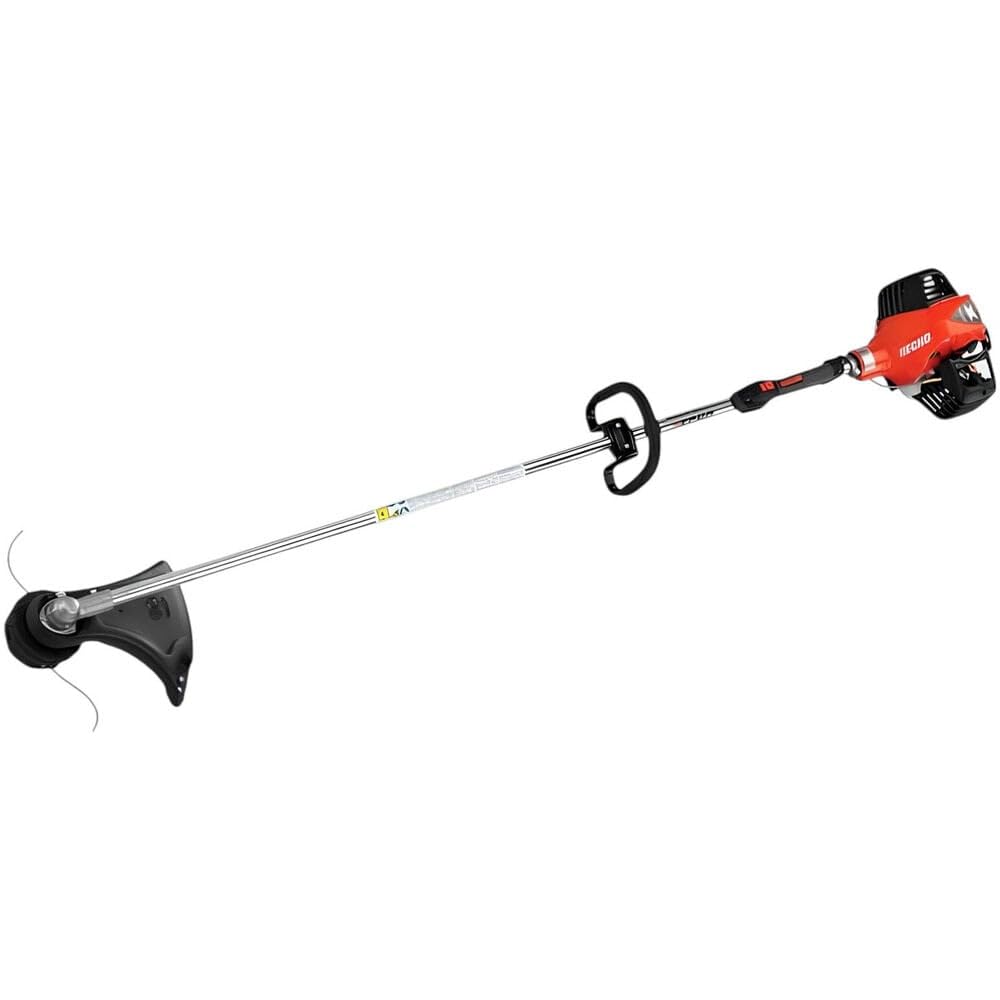


How Long Does a Weed Eater Last? Average Lifespan of a String Trimmer
Lifespan varies mostly by power source and build quality. These ranges reflect typical homeowner use with routine care:
| Trimmer type | Typical lifespan | What usually fails first |
|---|---|---|
| Gas, homeowner grade | 5 to 8 years | Carburetor, fuel lines, pull starter |
| Gas, professional grade | 8 to 10+ years | Wear items like plugs, filters and clutch |
| Cordless battery | 5 to 10 years (tool); battery often 3 to 5 years | Battery capacity |
| Corded electric | 5 to 10 years | Cord, switch or trimmer head |
These are general estimates rather than guarantees. A light user trimming a small yard can get far more years from even a budget tool, while a landscaper running a trimmer for hours every day will wear out a homeowner model in a season or two. Professional gas trimmers, such as the ECHO X Series or the Husqvarna 130L, are built for longer running hours than entry level tools.
Warranty length is a useful hint about expected durability. Some battery platforms now offer multi year coverage on both tool and battery, such as the 4 year limited warranty on the Greenworks 60V 16 inch trimmer, which signals how long the maker expects it to hold up under normal use.
Factors That Affect How Long It Lasts
Engine or motor type. Two stroke gas engines need the right fuel and oil mix and suffer most from stale fuel. Brushless battery motors have fewer wearing parts than brushed motors, which helps them run cooler and last longer.
Frequency and intensity of use. Hours of operation matter more than calendar years. Cutting thick weeds and brush at full throttle loads the engine or motor much harder than trimming grass along a fence.
Fuel and battery care. Old gas leaves varnish in the carburetor, the most common reason gas trimmers stop starting. Batteries age faster when stored fully drained, fully charged for months or in extreme heat or cold.
Build quality. Metal gear housings, solid drive shafts and quality trimmer heads outlast plastic parts on budget models. A straight shaft with a solid drive often holds up better under heavy use than a curved shaft with a flexible cable.
Storage conditions. Trimmers kept in a dry garage last longer than those left in a damp shed or outdoors, where moisture corrodes electrical parts and rusts metal.
Maintenance habits. Clean air filters, fresh spark plugs and a clean trimmer head keep the engine or motor from working harder than it should.
Signs Your String Trimmer Needs Repair or Replacement
Watch for these warning signs before a small problem turns into a dead tool:
- Hard starting: a gas trimmer that needs many pulls or only runs with choke usually has a clogged carburetor or fuel system.
- Loss of power: bogging down in grass it used to cut easily points to a dirty air filter, worn spark plug or a weak battery.
- Short runtime: a battery that empties far faster than it used to has lost capacity.
- Excess vibration or noise: often a damaged trimmer head, worn bearings or a bent shaft.
- Smoke or fuel leaks: cracked fuel lines, a bad primer bulb or a wrong fuel mix.
- Line feed problems: a head that will not advance line or keeps jamming may need a new spool or head.
- Cracked housing or guard: a safety issue that should be fixed before you use the tool again.
How to Make Your String Trimmer Last Longer
A few minutes of care after each session adds years of service.
Clean after every use
Let the trimmer cool, then brush grass and dirt from the head, guard, shaft and cooling vents. Packed clippings trap moisture and heat, and on gas models they block airflow to the engine. Wipe battery contacts on cordless models and keep them dry.
Inspect the trimmer head and line
Check the head for cracks and worn eyelets, and confirm the spool turns freely. Use the line diameter your trimmer is rated for, since heavier line than the head is designed for strains the motor or engine. The DEWALT 60V trimmer, for example, uses 0.080 inch dual line and also works with 0.095 inch DEWALT line.
Replace line and worn head parts
Replace brittle or old line, which snaps often and wastes time. Swap out worn bump knobs, springs and eyelets when they wear down, and replace a damaged trimmer head instead of forcing it. Fresh parts reduce vibration and wear on the drive shaft.
Air filter, spark plug and fuel care (gas)
Clean or replace the air filter every season, more often in dusty conditions, and replace the spark plug yearly. Mix fresh fuel at the ratio in your manual, use it within about a month or add a stabilizer, and drain the tank or run it dry before long storage.
For cordless trimmers, store batteries indoors at room temperature with a partial charge, and avoid leaving them on the charger for weeks at a time.
Repair or Replace?
Repair makes sense when the fix is a wear item: a carburetor cleaning or rebuild, new fuel lines, a spark plug, a trimmer head or a replacement battery for a cordless tool you otherwise like. These cost a fraction of a new trimmer.
Replace when the repair costs more than about half the price of a comparable new model, when the engine has a serious internal failure, or when parts are hard to find. If you are upgrading anyway, it can be a good moment to move to a battery platform you already use. Our guide on how much does a weed eater cost breaks down current prices.
Frequently Asked Questions
How long does a string trimmer last?
How long does a string trimmer last on average? Most homeowner models last about 5 to 10 years with regular cleaning, fresh fuel or proper battery care, and seasonal maintenance. Heavy daily use shortens that, while light use in a small yard can stretch it well beyond the typical range.
How long does a cordless string trimmer last?
The tool itself often lasts 5 to 10 years, especially with a brushless motor. The battery is usually the first part to fade, often after 3 to 5 years depending on use and storage. Replacing the battery is typically much cheaper than replacing the trimmer, so knowing how long does a cordless string trimmer last mostly comes down to battery care.
Is it worth repairing an old string trimmer?
Often, yes. Common fixes such as cleaning a carburetor, replacing fuel lines or swapping a trimmer head are inexpensive. Repair stops making sense when the cost approaches half the price of a new model or the engine needs major internal work.
What brand of string trimmer lasts the longest?
Brands that build professional grade lines, such as ECHO, Husqvarna, Makita, Milwaukee and DEWALT, tend to use tougher components designed for long running hours. Within any brand, a model's warranty length and build quality are better guides to durability than the badge alone.
Final Thoughts
So, how long does a weed eater last? Usually 5 to 10 years for homeowners, sometimes longer for professional gas models, with batteries often needing replacement sooner. Clean it, use fresh fuel or store batteries properly and replace worn parts early. When it is time for a new one, see our picks for the best string trimmer, the best string trimmer for edging and the best weed eater for seniors, or learn where to buy a weed eater.


