
3 Best Heavy Duty Weed Eaters for 2026 (Compared and Ranked)
Disclosure: We may earn a commission when you buy through links on this page, at no extra cost to you. As an Amazon Associate I earn from qualifying purchases. Learn more

Our picks for the best heavy duty weed eater, from a brushless DEWALT 60V kit to a pro ECHO gas trimmer, plus what really makes one powerful.
Thick weeds along a fence line, tough grass around posts and overgrown ditch banks can stop a light trimmer in its tracks. Thin line snaps, small motors bog down, and you end up making three passes for every one. The best heavy duty weed eater has the power to slice through dense growth, a wide cutting swath to cover ground quickly, and a build that holds up to weekly use on large properties. We compared gas and battery models on engine or motor power, cutting width, line size, weight and attachments, read verified owner feedback on Amazon and weighed each one's price against what it delivers.
Our top three are the DEWALT 60V MAX string trimmer kit as the best overall, the Greenworks 80V 16 inch trimmer as a strong battery runner up, and the ECHO SRM-2620T as the premium gas pick for professional level power.






Our Top 3 Picks at a Glance
- Best Overall: DEWALT 60V MAX 17" Brushless String Trimmer Kit (around $350). A brushless motor, a 15 or 17 inch adjustable swath, 0.080 inch dual line and attachment capability.
- Runner Up: Greenworks 80V 16" Cordless String Trimmer (around $270). High voltage battery power and a 16 inch cut at a lower price than most pro battery kits.
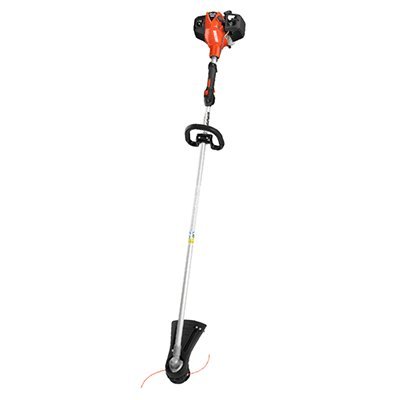
- Best Premium Pick: ECHO SRM-2620T 25.4cc Gas String Trimmer (around $450). A high torque 25.4cc engine and a Speed Feed head for dense, weedy growth.
How We Chose the Best Heavy Duty Weed Eater
We looked for trimmers that can handle thick weeds and tough grass, not just tidy edges. That meant favoring strong engines or high voltage brushless motors, wide swaths, heavier line and durable builds. We then weighed owner ratings and review volume, price against features, build quality and warranty, and whether each model is currently sold new on amazon.com. Light duty models with small batteries and thin line were left out.
We also considered how each trimmer fits into a wider tool collection. Many buyers already own batteries from one brand, and gas users often prefer engines with strong dealer support and easy access to parts. Both points can matter as much as raw power over the life of the tool.
Heavy Duty Weed Eater Reviews
1. DEWALT 60V MAX 17" Brushless String Trimmer Kit: Best Overall
- 60V MAX battery and charger included
- High performance brushless motor
- 15 in. / 17 in. adjustable swath
- 0.080 in. dual line (also works with 0.095 in. line)
- Variable speed trigger with high and low speed control
- Quick load spool and DEWALT universal attachment capability
Why We Picked It
The DEWALT 60V MAX trimmer brings near gas performance to a battery tool. Its brushless motor drives a cutting swath you can set at 15 or 17 inches, and the 17 inch setting covers a lot of ground along long fence lines and property edges. It runs 0.080 inch dual line by default but also accepts heavier 0.095 inch line, which holds up much better against thick stems and woody weeds.
The variable speed trigger and high and low speed control let you balance power and runtime: low for routine trimming, high for overgrown patches. The quick load spool makes reloading line faster, and the universal attachment capability means you can add edger, pruner or other heads later. For anyone who wants heavy duty results without mixing fuel, this is the most complete kit on our list.
Pros
- Cuts thick weeds with near gas power
- Wide adjustable swath
- Accepts heavier 0.095 in. line
- Attachment capable
Cons
- Heavy for smaller users
- Expensive kit compared with gas trimmers of similar power
- Runtime drops on high speed
Who Should Buy It
Choose the DEWALT 60V MAX if you have a large yard or acreage with thick weeds and want battery convenience without giving up power. It is ideal if you already own DEWALT batteries or plan to add attachments. Expect to pay around $350.

2. Greenworks 80V 16" Cordless String Trimmer: Runner Up
- 80V battery platform
- 16 inch cutting width
- 2.0Ah battery and charger included
- Cordless design with no fuel or pull start
Why We Picked It
Milwaukee's M18 trimmer is a popular choice in this class, but the Greenworks 80V gives you a higher voltage platform and a 16 inch cut for less money. Higher voltage means the motor can keep spinning the line through thicker grass and weeds, which is exactly what heavy duty trimming demands. It is well reviewed by buyers, and the 16 inch width is a good balance between coverage and control around trees and beds.
Because it is cordless, there is no fuel to mix, no pull cord and much less noise than gas. The included 2.0Ah battery suits medium yards; if you have a large property, a higher capacity Greenworks 80V battery extends runtime and can also power other tools on the same platform.
Pros
- High voltage power for thick growth
- Lower price than most pro battery kits
- Quiet, no fuel or pull start
- Shares batteries with a large 80V tool line
Cons
- Included 2.0Ah battery limits runtime
- Narrower cut than the DEWALT's 17 inch setting
- Smaller review base than older trimmers
Who Should Buy It
Pick the Greenworks 80V if you want strong battery power for thick weeds at a mid range price, or if you already own Greenworks 80V tools. It suits medium to large yards. Expect to pay around $270.

3. ECHO SRM-2620T 25.4cc Gas String Trimmer: Best Premium Pick
- High torque 25.4cc gas engine
- Speed Feed trimmer head for fast line reloading
- Professional style straight shaft gas trimmer
Why We Picked It
When the job is truly heavy, gas still sets the standard, and the ECHO SRM-2620T is built for it. Its high torque 25.4cc engine keeps the line spinning through dense, tangled growth that slows battery trimmers, and the high torque gearing helps it power through thick weeds and brush rather than stalling.
The Speed Feed head lets you reload line in seconds without taking the head apart, which matters when you go through a lot of line on rough ground. ECHO's professional trimmers are widely used by landscapers, and with unlimited runtime from a tank of mixed fuel, it can trim all day across large properties.
Pros
- Pro level power for dense growth
- Fast line reloading with Speed Feed
- Unlimited runtime with fuel
- Built for daily use
Cons
- Loud and needs mixed fuel
- Costly for occasional use
- Regular engine upkeep required
Who Should Buy It
Buy the ECHO SRM-2620T if you manage acreage, rough ditches or overgrown lots, or if you trim professionally. It is the pick for maximum power and durability. Expect to pay around $450.
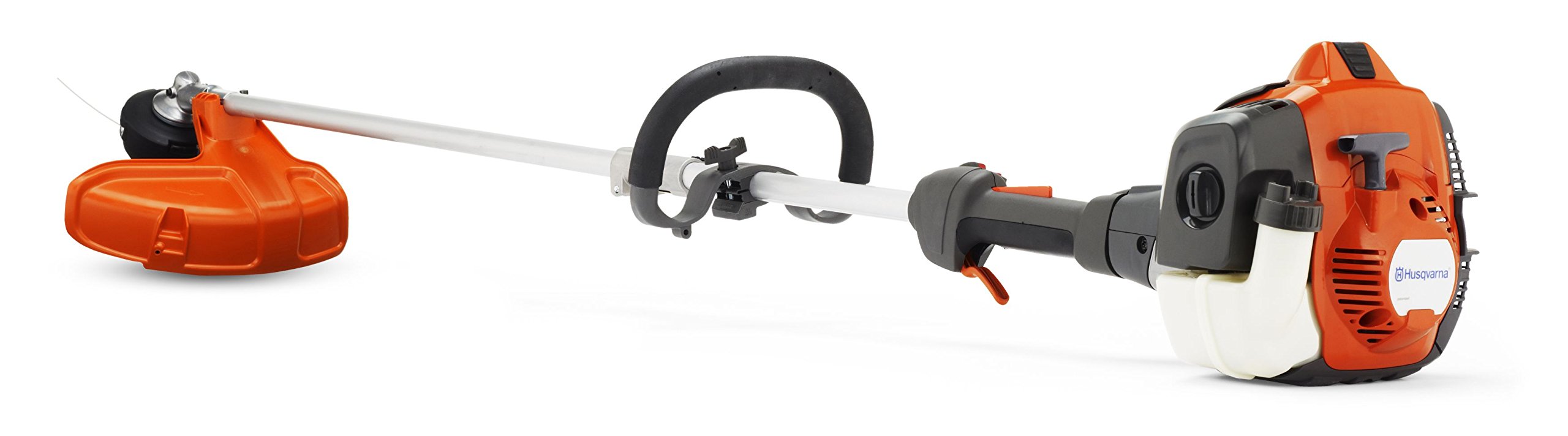
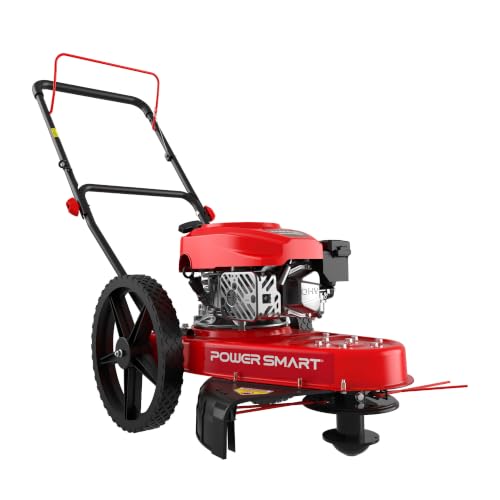
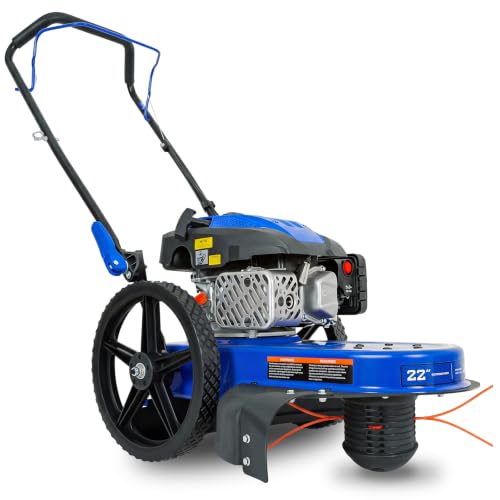
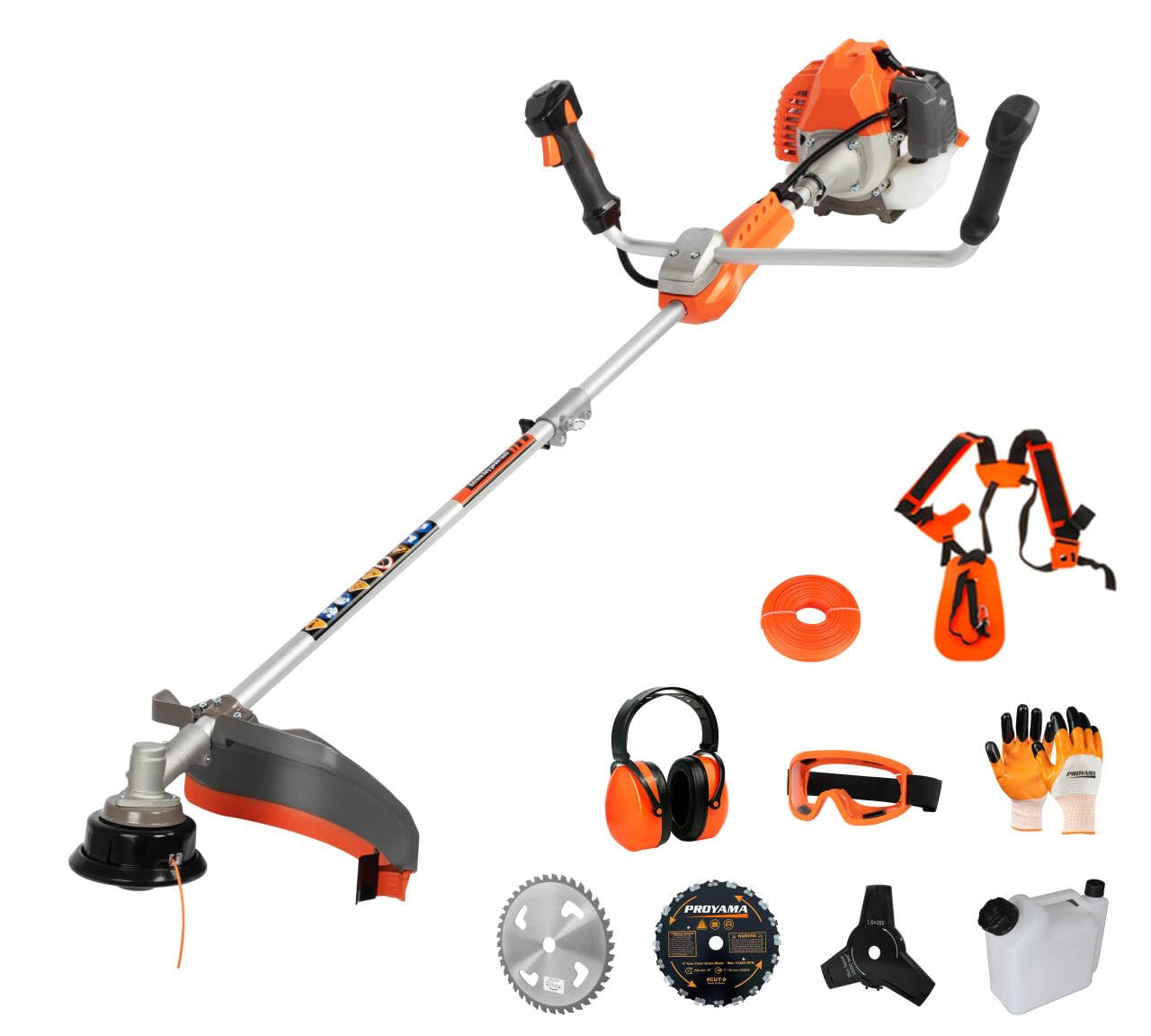
The comparison table also includes the professional Husqvarna 525LK, walk behind string trimmers from BILT HARD and PowerSmart for rough fields, and gas options from Husqvarna and PROYAMA for tighter budgets.
Walk behind string trimmers deserve a special mention for really rough ground. They use a small mower style engine and a wide, heavy line head on wheels, so you push rather than carry them. They are ideal for field edges, ditches and long fence lines where a handheld trimmer would wear you out, but they cannot reach under shrubs or trim around tight obstacles, so most owners still keep a handheld trimmer for detail work.
What Makes a Model Truly Powerful
Marketing terms like "heavy duty" are used loosely. These are the things that actually matter.
Specs that matter
For gas trimmers, engine size around 25cc and up with high torque gearing gives strong cutting. For battery models, higher voltage platforms (60V to 80V) and brushless motors deliver gas like performance. Line diameter matters too: 0.080 to 0.095 inch line handles thick weeds better than thin 0.065 inch line.
Build quality
Straight shafts, solid gear heads and durable guards hold up to daily use. Professional trimmers use better bearings, stronger clutches and sturdier housings, which is why they cost more and last longer.
When you need the extra power
You need a heavy duty trimmer if you clear fence lines, ditches, field edges or overgrown lots, or if you trim large properties weekly. For a small suburban yard with light edging, a lighter trimmer is easier to handle and costs less. Many homeowners with mixed needs choose a strong battery trimmer for weekly work and rent or borrow a brush cutter for the occasional overgrown lot.
Technique matters as much as power. Cut tall, thick weeds from the top down in stages rather than plunging the head into the base, and let the tip of the line do the cutting instead of pressing the head into the growth. Working at full throttle keeps the line extended and cutting efficiently, while slowing down your walking pace gives the line time to clear dense patches.
How to Choose the Best Heavy Duty Weed Eater
Use these factors to narrow your choice. They also apply if you are shopping for the best heavy duty string trimmer, the best powerful weed eater or the best professional grade string trimmer.
Gas vs Battery Power
Gas offers maximum power and unlimited runtime, but it is louder and needs maintenance. High voltage battery trimmers now rival gas for most homeowners and are quieter and easier to start. For daily professional use or very rough ground, gas still has the edge.
Cutting Swath and Line Diameter
A 16 to 17 inch swath covers ground quickly. Thicker line, 0.080 to 0.095 inch, resists breaking against dense stems. Some heavy duty models accept brush blades for woody growth.
Twisted or square line cuts more aggressively than round line and is a good upgrade for heavy weeds, but it wears faster against concrete and stone. Always use the line sizes listed in the manual, since line that is too thick can overload the motor or engine.
Straight vs Curved Shaft
Straight shafts reach under shrubs and fences and give better balance, which is why most heavy duty trimmers use them. Curved shafts are lighter and easier for short users but less durable.
If you plan to use attachments such as a brush cutter or pole pruner, a straight shaft is almost always required, so check compatibility before you buy.
Weight and Balance
Heavy duty trimmers often weigh 11 to 13 pounds or more. A shoulder strap or harness and a well balanced design reduce fatigue during long sessions.
Safety gear is part of the package with any heavy duty trimmer. Wear eye protection, hearing protection for gas models, long pants and sturdy boots, and keep people and pets at least 50 feet away, since thick line can throw stones and debris with real force.
Line Feed System
Bump feed heads release line when you tap the head on the ground, and quick load or speed feed heads make reloading much faster. Automatic feed systems are convenient but can waste line, so many heavy duty users prefer a simple bump head they can reload quickly in the field.
Edging Mode and Attachments
Many trimmers rotate for edging, and attachment capable models accept edgers, pruners and hedge trimmers. If you want clean edges, see our guide to the best string trimmer for edging.
Runtime and Battery Ecosystem
For battery trimmers, check the amp hour rating of the included battery and whether you can share batteries with your mower or blower. Buying into one battery platform saves money over time, because bare tool versions of mowers, blowers and hedge trimmers cost much less than full kits. A second battery is often the best accessory you can buy for a heavy duty trimmer, since it doubles your working time without slowing you down. Lighter users, including older gardeners, may prefer the picks in our guide to the best weed eater for seniors.
For a broader look at all trimmer types, see our full list of the best string trimmer, and when budgeting, check our breakdown of how much does a weed eater cost. The best professional grade weed eater and the best powerful string trimmer both follow the same rules above.
FAQs About Heavy Duty Weed Eaters
How long does a string trimmer last?
A well maintained gas string trimmer often lasts 8 to 10 years, and professional models can last longer. Battery trimmers typically last 5 to 8 years, with batteries needing replacement every few years. Cleaning the air filter, using fresh fuel and keeping the head clean all extend lifespan.
Is a string trimmer worth the money?
Yes, for nearly any yard. A trimmer finishes the edges and corners a mower cannot reach, so your lawn looks neat. A heavy duty model is worth the extra cost if you clear thick weeds or trim large areas regularly.
How much should I spend on a string trimmer?
Light duty trimmers cost $70 to $150. Heavy duty battery kits and quality gas trimmers usually cost $250 to $450, while professional gas models can exceed $500. Compare prices and stores in our guide on where to buy a weed eater.
How do I maintain a string trimmer?
Clean grass and debris from the head and guard after each use, and replace worn line with the size the manual recommends. For gas models, use fresh fuel mixed at the right ratio, and clean the air filter and spark plug. For battery models, store batteries indoors at room temperature.
Final Verdict
The DEWALT 60V MAX string trimmer kit is our pick for the best heavy duty weed eater thanks to its brushless power, wide adjustable swath and attachment capability. The Greenworks 80V is a strong battery runner up at a lower price, and the ECHO SRM-2620T is the premium choice when you need gas power for the toughest growth. Check today's price on the one that fits your yard.


